
The interior design field is both creative and competitive. Whether a fresh graduate eager to land that first position, seeking to try something new, or a seasoned designer looking to advance, standing out takes more than talent alone. Employers are seeking candidates who combine creative vision, technical expertise, and a strong understanding of client needs.
Here we present a step-by-step guide to help land your next interior design job — from building a stand-out portfolio to mastering the interview.
1. Define Your Career Direction
Before applying, take time to understand exactly what you are looking for. Interior design spans multiple sectors — residential, commercial, hospitality, healthcare, retail, workplace, and more. Each has its own style, budgets, and workflows.
Ask yourself:
- What sector am I most interested in?
- Do I enjoy boutique, hands-on projects or large-scale corporate work?
- Am I seeking a creative studio environment or a multidisciplinary design firm?
Having defined a preferred sector and type of employer will help tailor a portfolio, résumé, and reach out to the right opportunities.
2. Build (or Refresh) Your Portfolio
The portfolio is your most powerful asset as an interior designer. It tells “your” story visually, showcases “your” design thinking, and signals to employers “your” approach to problem-solving.
Tips for a strong portfolio:
- Show process, not just results. Include sketches, concept boards, and floor plans alongside polished renderings or photographs. Employers want to see the steps leading to the end result.
- Tailor to each job. Highlight work most relevant to the position. If the focus is hospitality, lead with restaurant or hotel projects.
- Keep it concise. Quality over quantity. 8–12 projects is plenty, fewer if projects are substantial.
- Format professionally. A clean, consistent layout matters. Consider both a digital version (PDF or website) and a printed or tablet version for interviews.
For those who are newer to the field, there are options. Include academic work, internships, freelance projects, or even self-initiated conceptual designs to show your range or sector of interest.
3. Update Your Résumé and LinkedIn
While the portfolio gets the spotlight, résumés and LinkedIn profiles are critical for first impressions.
Key résumé elements for interior designers:
- Clear title and contact information.
- A short summary statement (2–3 sentences) demonstrating your design focus and strengths.
- Education, credentials (NCIDQ, LEED, WELL AP), and list proficiencies.
- Professional experience with bullet points emphasizing accomplishments, not just duties.
- Awards, press mentions, or publications (if applicable).
On LinkedIn, use the headline strategically (“Interior Designer | Hospitality + Retail | NCIDQ Certified”), upload portfolio images and engage with industry content to boost visibility.
4. Master the Job Search
Now that your materials are ready, it’s time to find openings. Relying on job boards alone can be limiting. A multi-channel approach works best:
- Specialized job boards: Sites like InteriorDesignCareers.co, and IIDA Career Center list design specific openings.
- Firm websites: Make a list of your dream firms and check their career pages regularly.
- Networking: Attend local design events, join IIDA or ASID chapters, or participate in online communities to build a contact list.
- Recruiters: Some firms use design-focused recruiters; reach out to be added to their candidate pool.
Set up alerts on InteriorDesignCareers.co and major job boards (LinkedIn, Indeed, Glassdoor) to keep up to date on new listings.
5. Prepare Thoughtfully for Interviews
An interview for an interior design role often includes a portfolio presentation. This is your chance to show your creative process and communication skills.
Best practices:
- Practice your story. With trusted friends, family, or colleagues, walking through your portfolio explaining obstacles, solutions, and results is the best way to uncover potential glitches in the presentation. Potential employers will be impressed with a polished presentation.
- Know the firm’s work. Research their key projects, design philosophy, and clients. Mention specifics about a project from the company during the conversation.
- Bring the right materials. Have both a printed portfolio and a digital version on a tablet or laptop. Bring extra résumés!
- Show teamwork. Many firms want designers who can collaborate with architects, contractors, and clients. Highlight examples of contributions to a team effort.
- Prepare questions. Ask about their design process, mentorship opportunities, or how they measure project success.
Confidence comes from preparation.
6. Highlight Technical and Soft Skills
Interior design employers expect a balance of creative, technical, and interpersonal skills. Make sure to include these in your résumé, portfolio, and interviews.
Technical skills:
- Proficiency in AutoCAD, Revit, SketchUp, Adobe Creative Suite, or other design software.
- Knowledge of building codes, accessibility standards, and materials.
- Ability to produce construction documents, specifications, and schedules.
Soft skills:
- Client communication and presentation.
- Time and budget management.
- Problem-solving and adaptability under deadlines.
- Collaboration with multidisciplinary teams.
If there are important technical skills missing, consider taking short courses or certifications to fill gaps. Even basic knowledge can help you stand out.
7. Leverage Credentials and Continuing Education
Credentials signal professionalism and commitment. If eligible, the NCIDQ certification is widely recognized in the U.S. For sustainability-minded firms, LEED AP or WELL AP credentials can give you an edge. Specialized certifications from NKBA (kitchen and bath) or lighting design courses also add value.
Continuing education helps you stay current on trends, codes, and materials. Highlight these efforts on résumés and LinkedIn profiles.
8. Follow Up and Stay Organized
After interviews, send a personalized thank-you email within 24 hours. Mention something specific discussed and reiterate enthusiasm for the role. This small gesture leaves a lasting impression.
Keep a spreadsheet of applications, contacts, and follow-ups. This extra effort helps to visualize your job search progress.
9. Consider Freelance or Contract Work
When between jobs, freelance projects or contract work can keep a portfolio fresh and your skills sharp. Many firms bring on contract designers for busy periods; this can often lead to full-time roles. Platforms like InteriorDesignCareers.co or local networking can be a way to discover these opportunities.
10. Cultivate Your Personal Brand
In today’s digital age, an online presence matters. Share work on Instagram, Pinterest, or Behance to showcase aesthetics and attract potential employers. Write short posts or blogs about design trends. Employers increasingly check candidates’ online profiles to get a sense of style and thought leadership.
Final Thoughts
Landing that next interior design job is a combination of preparation, visibility, and persistence. By clarifying goals, presenting a polished portfolio, mastering interview skills, and leveraging both online and offline networks, you will be positioned as a candidate firms are eager to hire.
Remember, every application and interview is also a learning experience. Solicit feedback, refine your materials, and keep showing up. The interior design field rewards passion, creativity, and resilience — qualities that will show in your work.
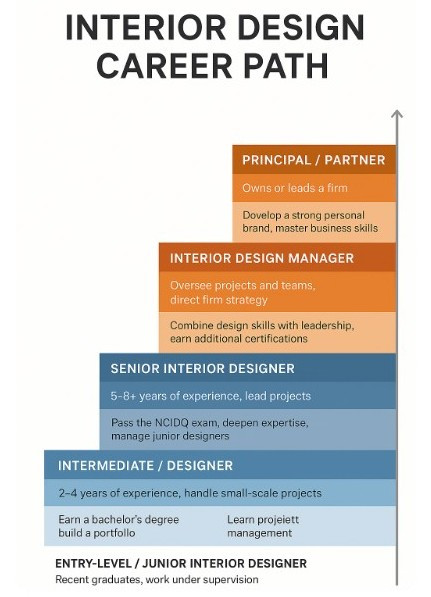
Quick Checklist for Job Seekers
- Define a preferred sector (residential, commercial, etc.).
- Update and tailor the portfolio.
- Refresh résumés and LinkedIn profiles.
- Research and target firms that align with defined goals.
- Network through industry events and associations.
- Practice portfolio presentations for interviews.
- Consider certifications like NCIDQ, LEED, or WELL AP.
- Send prompt thank-you emails after interviews.
- Keep skills fresh through freelance or continuing education.
- Cultivate a personal brand.
By following these steps, candidates not only stand out in a crowded job market but also set the stage for a more fulfilling and focused career in interior design.
Start Planning your next step - review your goals, explore opportunities, and take action by uploading your resume today.
Our Interior Design Careers Team looks forward to working with you.