Credit: Library of Congress
Introduction: Why Bowling Alley Design Matters
For designers, bowling alleys offer a compelling case study in:
- Adaptive reuse potential
- Experiential design
- Acoustic engineering
- Durability in high-traffic environments
- Brand-driven spatial storytelling
- Few building typologies have evolved so visibly alongside shifts in American leisure patterns.
The Evolution of Bowling Alley Interior Design
From Community Partners to Experiential Social Venues
Bowling alleys occupy a fascinating and often overlooked place in the history of interior design. Neither purely athletic facilities nor strictly entertainment venues, they have long served as social hubs where recreation, dining, conversation, and community converge.
Over the past century, bowling alley interiors have evolved dramatically — from intimate early 20th-century bowling parlors to expansive mid-century recreation centers, standardized league-era facilities, neon-lit cosmic bowling environments, and today’s boutique hospitality venues.
For interior designers, architects, and planners working across public space, hospitality, and even residential environments, bowling alley design provides an unexpectedly rich case study. Their interiors reveal how cultural expectations, materials innovation, lighting technology, and social behavior shape recreational environments.
Understanding the evolution of bowling alley interiors is ultimately about understanding how people gather — and how design adapts to support those experiences.
Early 20th Century Bowling Parlors
Intimacy, Identity, and Community Gathering
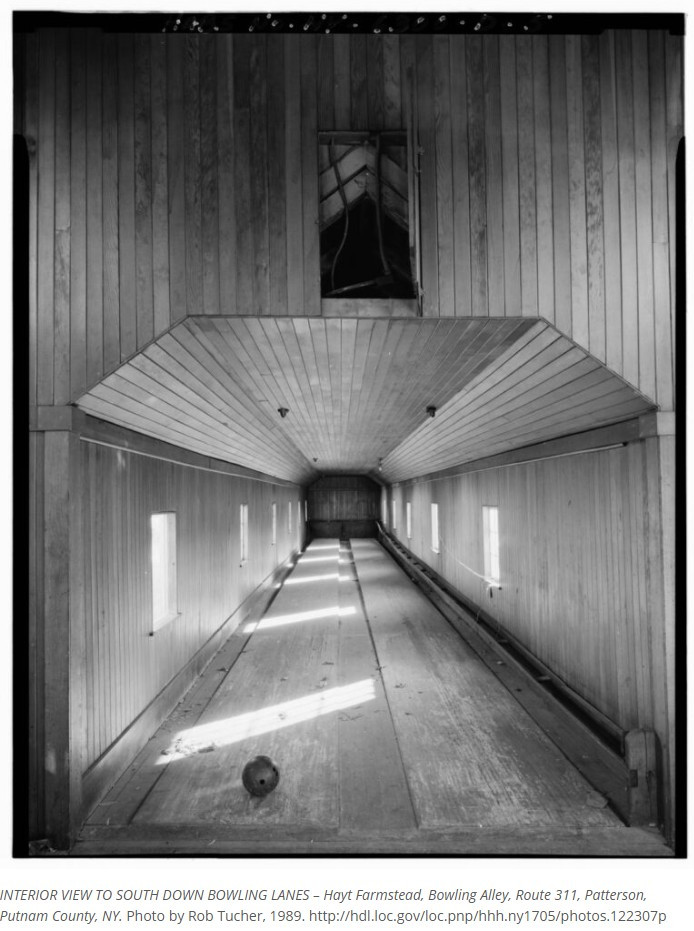
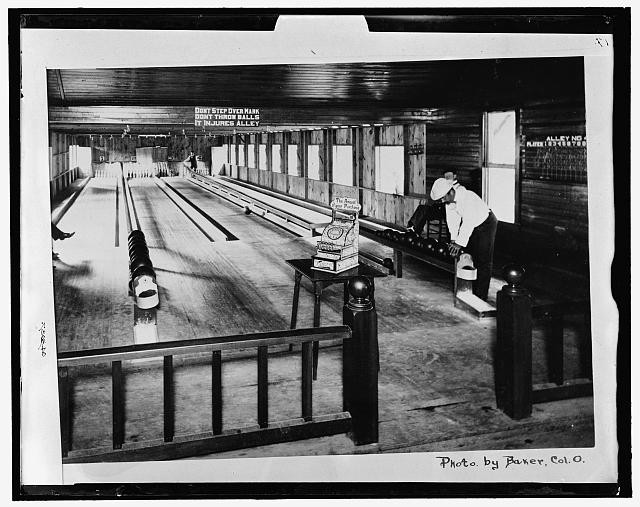
At the beginning of the 20th century, bowling alleys were typically small, community-centered spaces embedded within urban neighborhoods. Many were located in the basements of taverns, fraternal halls, or ethnic social clubs, particularly within German and Central European immigrant communities that brought bowling traditions to the United States.
These early bowling parlors were compact environments. Lanes were narrow, ceilings were relatively low, and spectator seating was minimal. Rather than expansive entertainment venues, they functioned more like private social clubs.
Materials were warm and tactile. Dark-stained wood paneling lined the walls, tin ceilings added ornament overhead, and brass fixtures reflected the soft glow of early incandescent lighting. The result was an intimate atmosphere that encouraged conversation and camaraderie.
Bowlers stood close together, and the physical proximity reinforced social interaction. These spaces became neighborhood institutions where regular patrons formed strong communal bonds.
Design Lesson: Smaller, layered environments often foster stronger social connection than large open spaces.
For designers today, these early bowling interiors illustrate that successful gathering spaces do not always require large open volumes. Smaller, layered environments can foster deeper engagement and community identity.
Mid-Century Bowling Centers
Recreation Becomes a Suburban Landmark
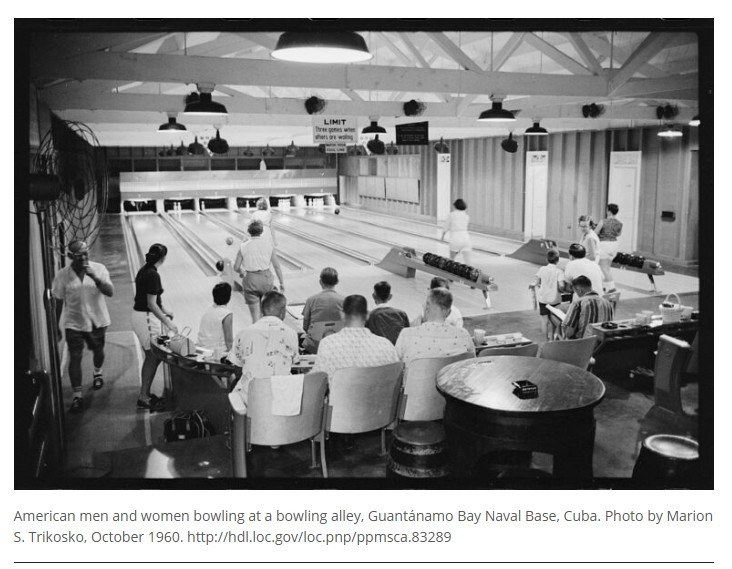
Following World War II, bowling experienced a dramatic surge in popularity. Suburban expansion, rising incomes, and the growth of organized leagues transformed bowling into a national pastime.
To accommodate growing demand, designers began creating large, purpose-built bowling centers capable of hosting dozens of lanes. These facilities became architectural landmarks in suburban communities.
Design Lesson: Recreational facilities can serve as powerful community anchors when design supports visibility, accessibility, and multiple forms of social gathering.
Mid-century design aesthetics were highly visible in these buildings. Clean lines, geometric forms, and bold signage reflected the optimism of postwar America. Large parking lots and prominent locations along major roads ensured accessibility.
Inside, spatial scale increased dramatically. Clear-span structural systems allowed expansive open floor plans. Fluorescent lighting illuminated the entire lane field evenly, creating a bright and energetic atmosphere.
Materials embraced modern innovation: laminates such as Formica appeared on counters, vinyl upholstery replaced traditional fabrics, and molded plastics were widely used for seating.
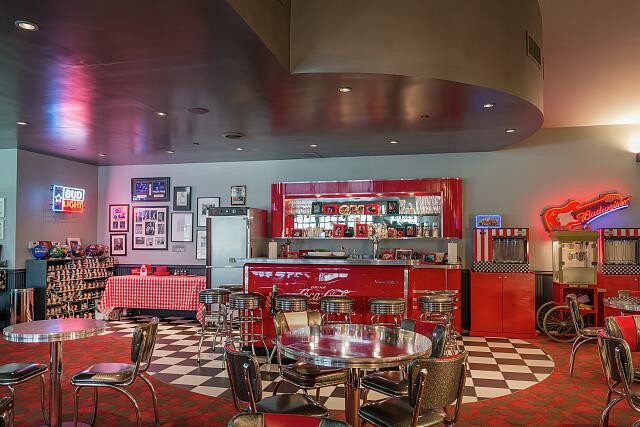
These venues also expanded their programmatic offerings. Snack bars, cocktail lounges, spectator seating, and pro shops turned bowling centers into full recreational destinations.
The League Era
Standardization, Durability, and Operational Efficiency
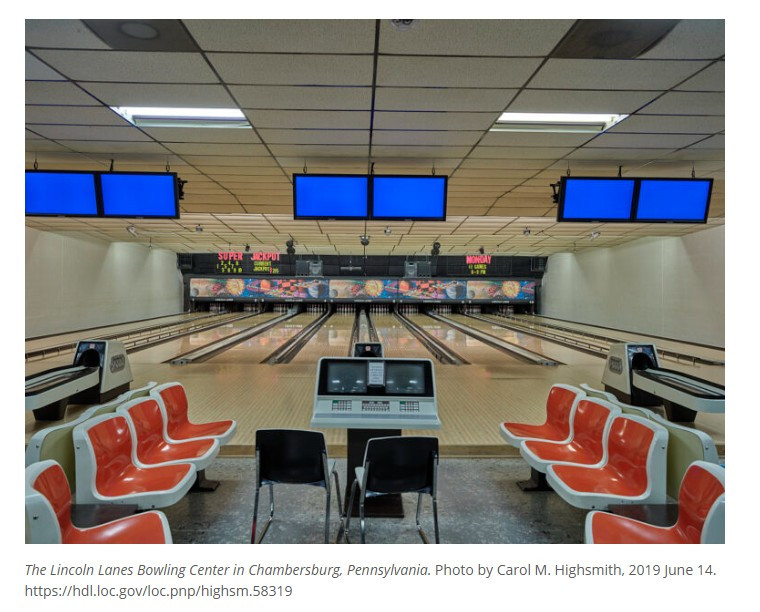
During the 1970s and 1980s, bowling leagues dominated participation. As national chains expanded, many bowling centers adopted standardized interior layouts and materials designed for efficiency and durability.
Drop ceilings with acoustic tiles became common, helping control noise while reducing construction costs. Patterned carpeting concealed heavy wear from foot traffic. Seating modules were designed for easy replacement and maintenance.
Fluorescent strip lighting continued to dominate interiors, and color palettes often reflected the earthy tones popular during the era.
Although these spaces lacked the visual excitement of earlier decades, they were engineered for longevity. Bowling centers needed to accommodate hundreds of players weekly, and materials had to withstand constant use.
Design Lesson: In high-traffic recreational environments, successful design balances aesthetic ambition with durability and long-term maintenance planning.

Credit: Stockcake
Cosmic Bowling and Experiential Design
Reinvention without structural renovation
As traditional league participation declined in the late 20th century, bowling centers reinvented themselves through immersive entertainment experiences.
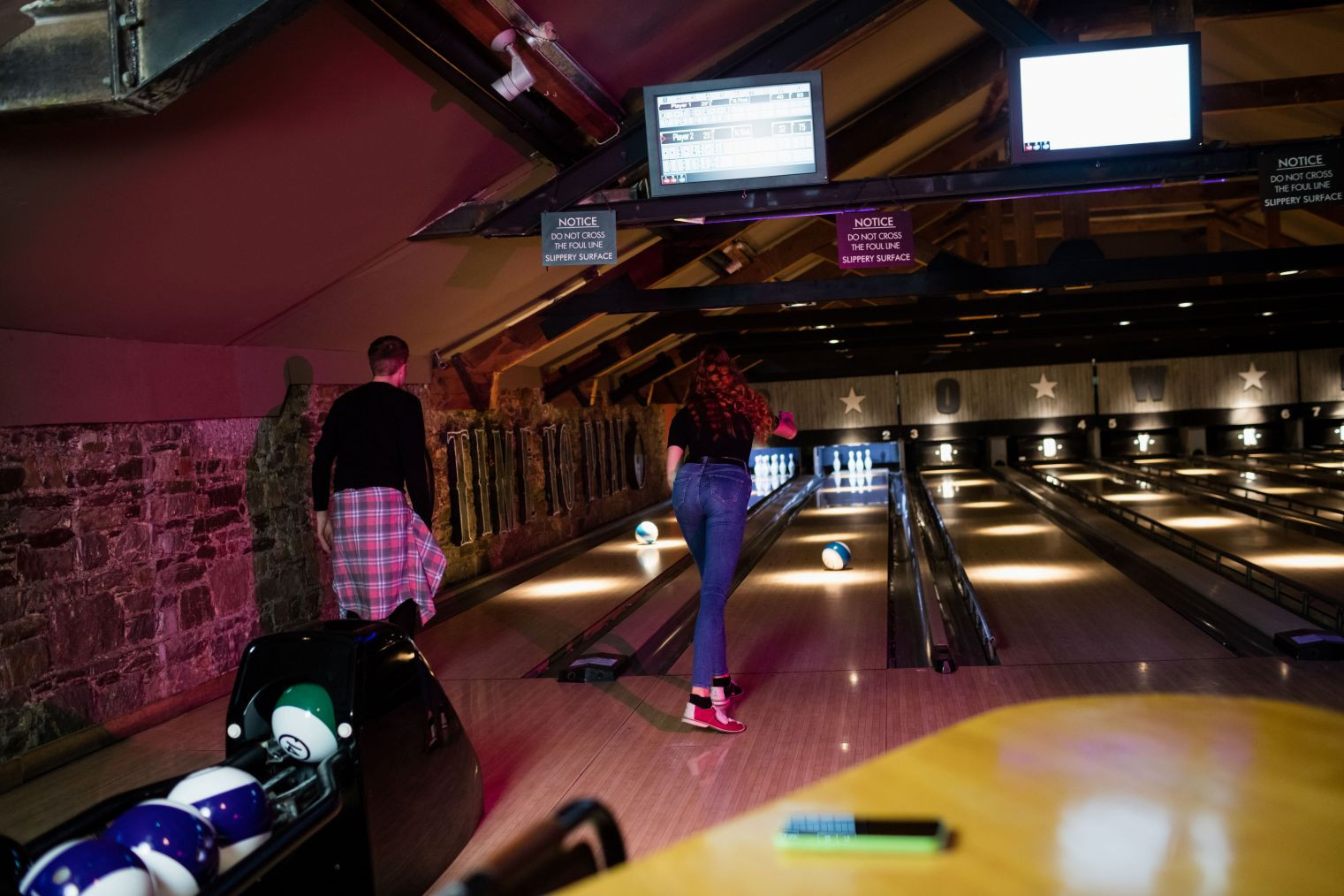
Cosmic bowling transformed conventional bowling environments into vibrant nightlife spaces. Blacklights illuminated lanes and pins, neon graphics covered walls, and LED lighting synchronized with music to create high-energy atmospheres.
This transformation demonstrated the power of experiential design. In many cases, dramatic visual change was achieved without major structural renovations.
Lighting became the central design element.
Design Lesson: Strategic lighting design can transform the entire perception of a space without major structural renovation.
Today’s designers frequently apply similar principles when revitalizing aging entertainment venues, restaurants, or recreational facilities.
Credit: Library of Congress
Boutique Bowling Venues
Hospitality-Driven Social Experiences
In the past decade, bowling has experienced a design renaissance. A new generation of boutique venues has reimagined bowling through the lens of hospitality design.
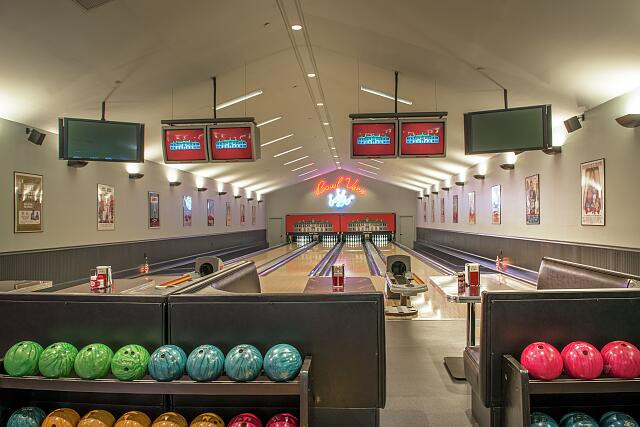
These venues combine bowling with upscale dining, craft cocktails, and live entertainment. Interior aesthetics often incorporate industrial influences such as exposed brick, reclaimed wood, leather seating, and custom lighting fixtures.
Seating arrangements encourage conversation and social interaction rather than simply watching the lanes. Bars, lounges, and event spaces create layered environments that support a variety of experiences.
Design Lesson: Today’s successful entertainment venues blend activity, dining, and social spaces into layered experiences that encourage guests to stay longer.
Credit: Houzz.com
The Residential Influence - Hospitality Design Comes Home
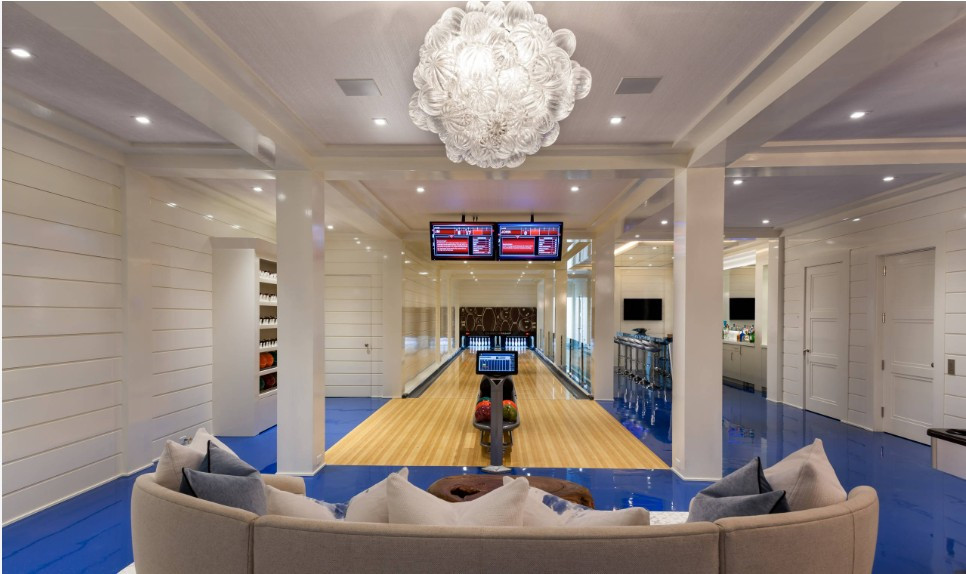
One of the most intriguing design developments today is the influence of hospitality environments on residential interiors.
Homeowners increasingly seek spaces designed for entertainment and gathering — media rooms, game lounges, home bars, and flexible social areas.
Design Lesson: Residential entertainment spaces often borrow directly from boutique entertainment venues and hospitality strategies. Layered lighting, comfortable lounge seating, and durable materials create welcoming spaces that encourage guests to linger and along with technology integration create memorable social environments.
Although few homes include bowling lanes, the design philosophy remains similar: create spaces that support shared experiences.
Design Themes Across Eras:
When viewed collectively, bowling alley interiors reveal recurring design themes>
- Material Innovation - From hardwood lanes to laminates to reclaimed wood
- Lighting Evolution - Incandescent to fluorescent to LED immersive systems
- Spatial Reconfiguration - From narrow parlors to open-plan social lounges
- Technology Integration - Manual scoring to electronic to fully digital displays
- Cultural Reflection - From Community Clubs to Suburban Family Hubs to Nightlife to Boutique Hospitality
Conclusion
Designing For Experience
From basement parlors to boutique entertainment venues, bowling alley interiors have continuously evolved alongside American leisure culture.
Each era introduced new materials, technologies, and spatial strategies that reflected changing expectations around recreation and social gathering.
For designers across public space, hospitality, and residential sectors, bowling alleys offer a valuable reminder: environments designed for shared experiences require thoughtful attention to atmosphere, comfort, durability, and adaptability.
Design Lesson: Great recreational design isn’t just about activity—it’s about creating environments where people want to gather, connect, and return.
The history of bowling alley design ultimately tells a broader story — one about how people gather, celebrate, and connect.
And that story continues to evolve.
Credit: Library of Congress