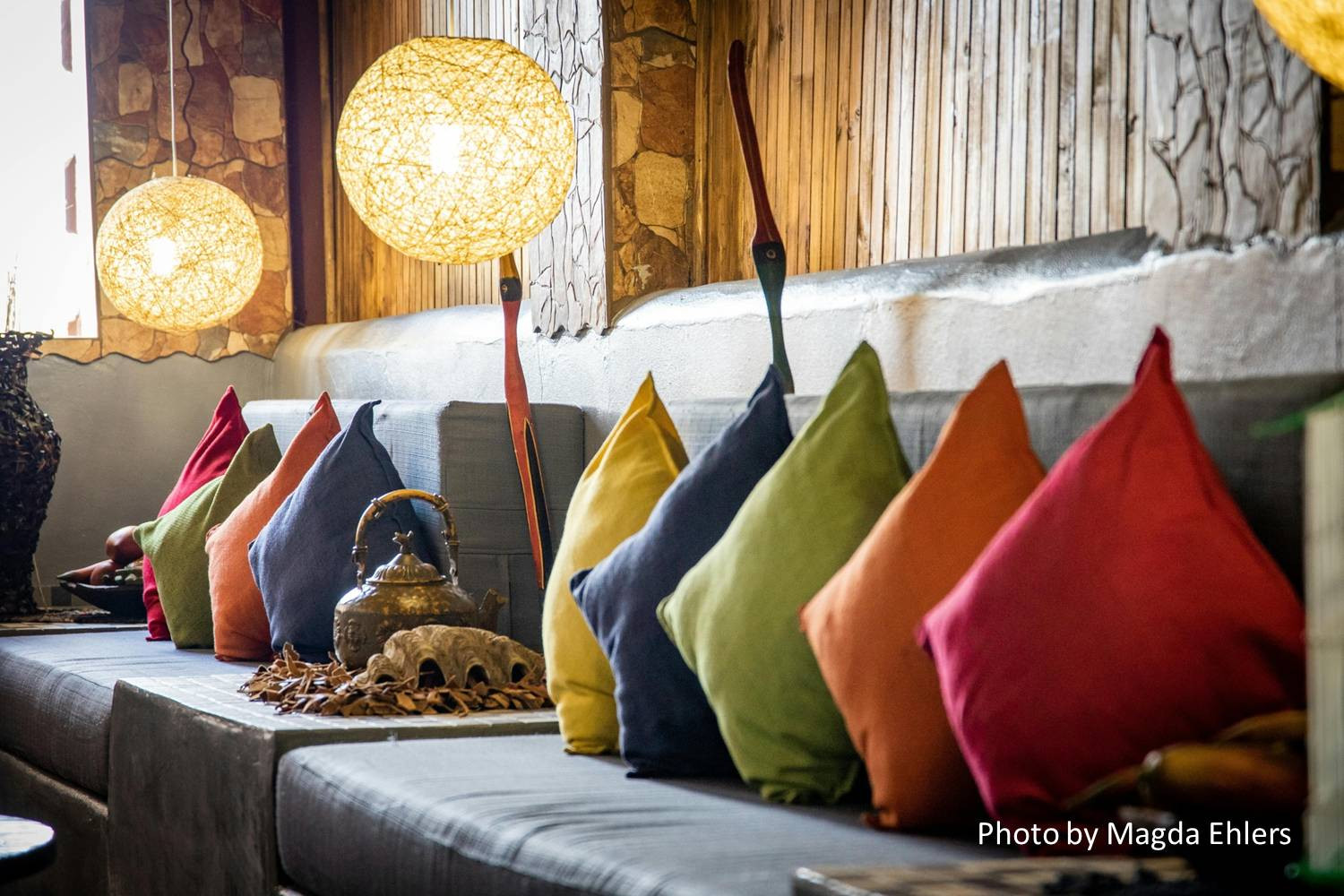
As we move into 2026, residential interior design continues to evolve in response to how people aspire to live at home. Rather than chasing fleeting aesthetics, homeowners are prioritizing spaces that feel intentional, restorative, and deeply personal. Design is no longer just about how a home looks—Individuals are becoming more aware of how design supports daily life, emotional well-being, and long-term comfort.
The 2026 interior design trends for residential homes reflect a thoughtful balance between beauty and function. Warmth replaces rigidity, nature inspires material choices, and personalization takes precedence over perfection. Whether homeowners are renovating, building new, or refreshing a single room, these trends offer guidance for creating spaces that feel both current and enduring.
1. Warm Minimalism with Character
Minimalism remains influential in 2026, but it has softened significantly. Instead of stark white rooms and sharp contrasts, today’s minimalist homes embrace warmth, texture, and subtle variation. Clean lines are still important to the homeowner when paired with organic materials and tactile finishes that make spaces feel welcoming rather than austere.
Plaster walls, limewash finishes, warm woods, and gently curved furniture add depth while maintaining visual calm. Décor is intentional and edited, yet never feels cold or impersonal. Small moments of character—such as artisanal ceramics, sculptural lighting, or hand-finished surfaces—bring individuality into the space.
Why homeowners love this:
Warm minimalism offers a sense of order without sacrificing comfort. It is particularly appealing for living rooms, primary bedrooms, and open-concept homes where visual flow and serenity are essential.
2. Nature-Forward Materials and Biophilic Design
Nature continues to influence residential interiors. In 2026, the approach is more architectural and immersive. Rather than simply adding plants as décor, designers are integrating natural materials directly into the structure and finishes of the home.
Stone countertops with visible veining, wood ceilings, clay-based wall finishes, and woven natural fibers are being used to create a grounded, sensory experience. Large windows, skylights, and sliding doors blur the line between indoor and outdoor living, allowing natural light to become a central design feature.
Biophilic design also emphasizes organic shapes and irregular forms—arched doorways, curved walls, and furniture inspired by natural silhouettes. These elements soften interiors and create a more intuitive, calming environment.
Why homeowners love this:
Nature-inspired interiors promote relaxation, improve mood, and create a stronger connection between indoors and outdoors. It promotes well-being and longevity. Natural materials age gracefully, develop character over time, and help homes feel connected to their surroundings.
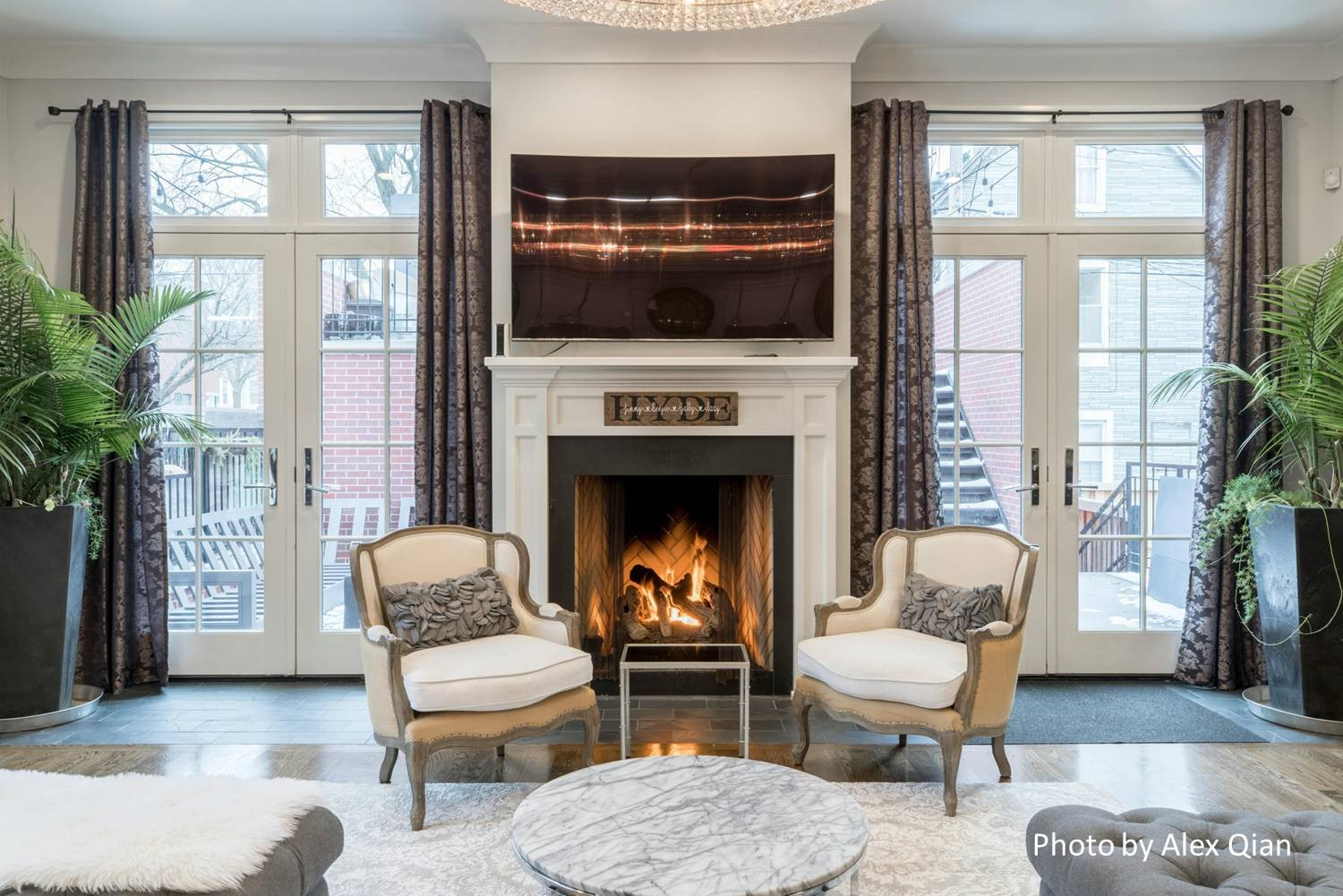
3. Color Returns—Grounded, Earthy, and Personal
After years of neutral dominance, color is returning to residential interiors in a more nuanced and intentional way. In 2026, homeowners are choosing hues that feel rooted in nature rather than overly saturated or trendy.
Earthy greens, warm browns, terracotta tones, muted blues, and soft ochres are appearing on walls, cabinetry, and built-ins. These colors are often layered with neutral furnishings to maintain balance and versatility.
Color is also being used strategically to define spaces—especially in open layouts. A darker dining room or library creates intimacy, while a softly colored bedroom promotes rest and relaxation. Rather than following strict color trends, homeowners are choosing palettes that resonate emotionally and reflect their personal style.
Why homeowners love this:
This approach makes color feel timeless rather than fleeting, encouraging confidence in design decisions that will last beyond a single season.
4. Multifunctional Rooms Designed for Real Life
The way people use their homes continues to evolve, and 2026 interior design reflects a strong emphasis on flexibility. Residential spaces are expected to adapt to work, rest, entertaining, and creativity—often within the same footprint.
Guest rooms now double as home offices or fitness spaces. Dining rooms serve as homework zones, studios, or meeting areas. Living rooms incorporate hidden storage, built-in desks, or modular furniture that can shift with daily needs.
Custom millwork and built-in cabinetry play a key role in making multifunctional rooms feel intentional rather than improvised. When thoughtfully designed, these spaces maintain visual cohesion while supporting multiple uses.
Why homeowners love this:
For homeowners, multifunctional design maximizes square footage and future-proofs the home—making it especially appealing for families, remote workers, and downsizers alike.
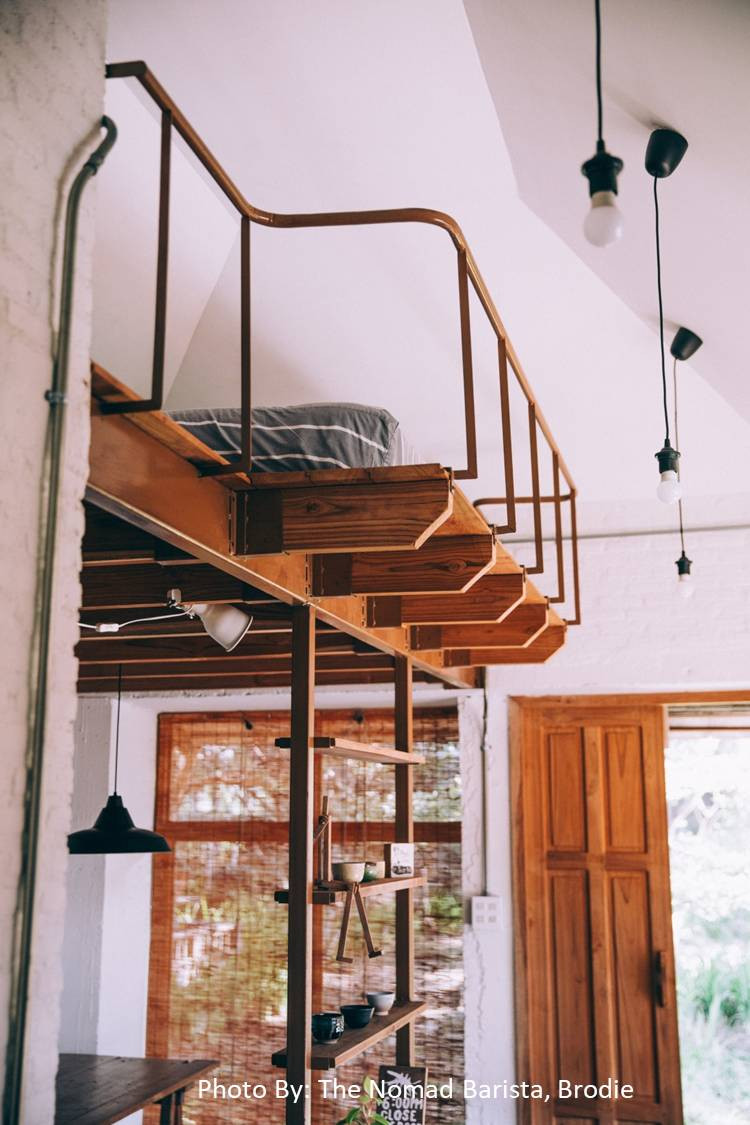
5. Elevated Comfort in Bedrooms and Living Areas
Comfort is no longer just an afterthought – it is a design priority that brings a measure of luxury to residential design. In 2026, bedrooms and living areas emphasize layered textiles, plush seating, and cozy lighting.
Bedrooms feel increasingly hotel-like yet personal, with upholstered headboards and calming palettes. Living rooms feature deep seating, plush textiles, and layouts that encourage conversation and relaxation, similar to the mid-century modern conversation pit.
Acoustic comfort is also gaining attention. Rugs, drapery, and soft finishes help absorb sound and create a quieter, more peaceful home environment.
Why homeowners love this:
The homeowners appreciate that these comfort-driven designs support rest, stress reduction, and everyday rituals rituals—turning the home into a true sanctuary.
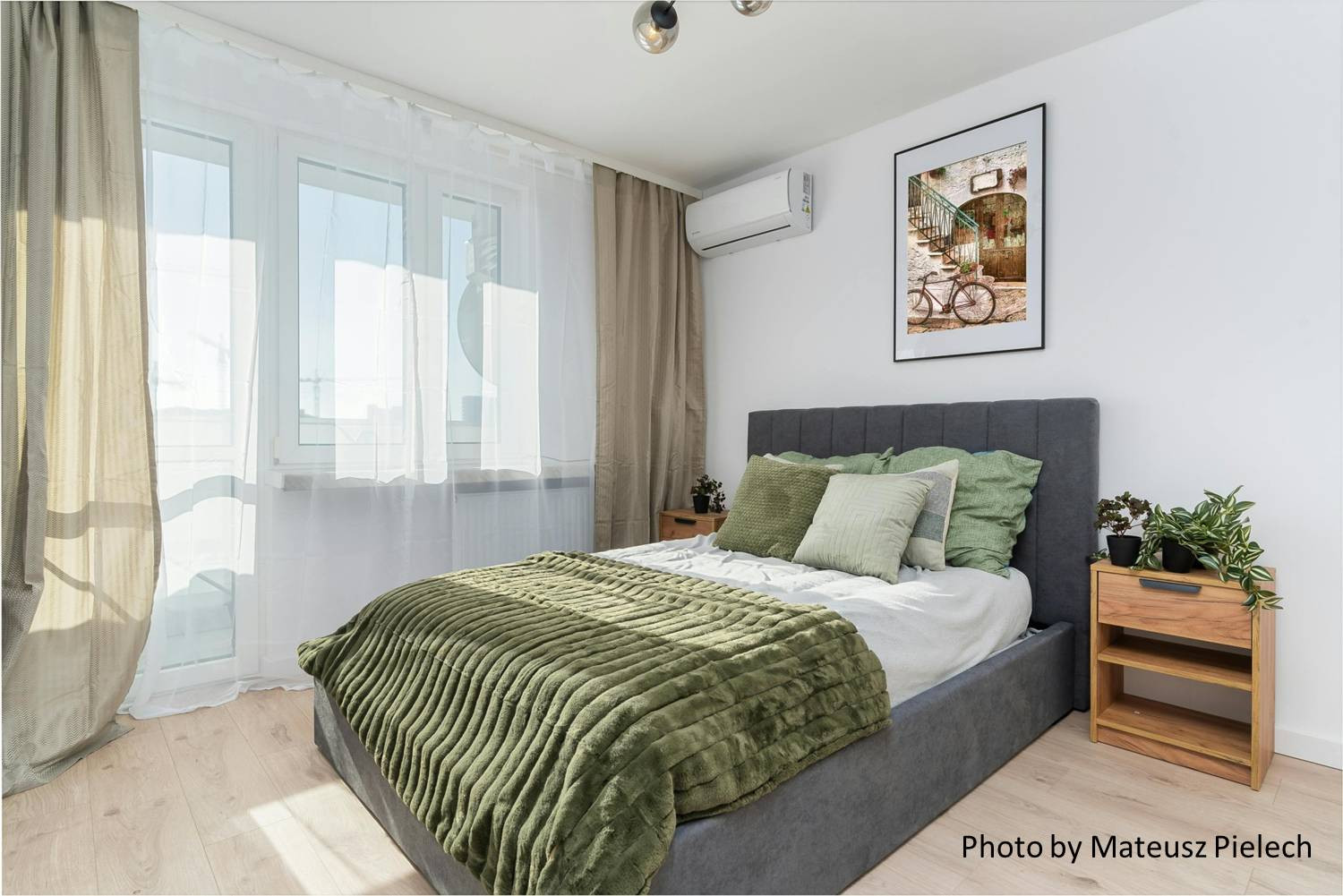
6. Thoughtful Lighting as a Design Feature
Lighting in 2026 is both functional and sculptural. Today, it is a core architectural element. Residential interiors rely on layered lighting plans that combine ambient, task, and accent lighting to create flexibility throughout the day.
Statement fixtures act as focal points, while concealed LED lighting highlights architectural details and adds warmth without visual clutter. Dimmers and smart lighting systems allow homeowners to adjust mood and function with ease.
Wall sconces, picture lights, and indirect lighting are increasingly popular, especially in living rooms and bedrooms where soft illumination enhances comfort.
Why homeowners love this:
Well-designed lighting not only improves functionality. It also elevates the entire look and feel of a home.
7. Personalization Over Perfection
Perhaps the most meaningful residential design trend of 2026 is the shift toward authenticity. Homes are becoming more personal and reflect real lives, histories, and personal taste.
Vintage furniture, collected artwork, heirloom pieces, and custom details are being mixed with contemporary design to create layered, story-rich spaces. Imperfections are embraced, and uniqueness is celebrated.
This trend encourages homeowners to invest in pieces they love rather than following rigid design rules. The result is a home that feels lived-in, expressive, and emotionally resonant.
Why homeowners love this:
Personalized homes feel warmer, more unique, and deeply connected to the people who live in them.