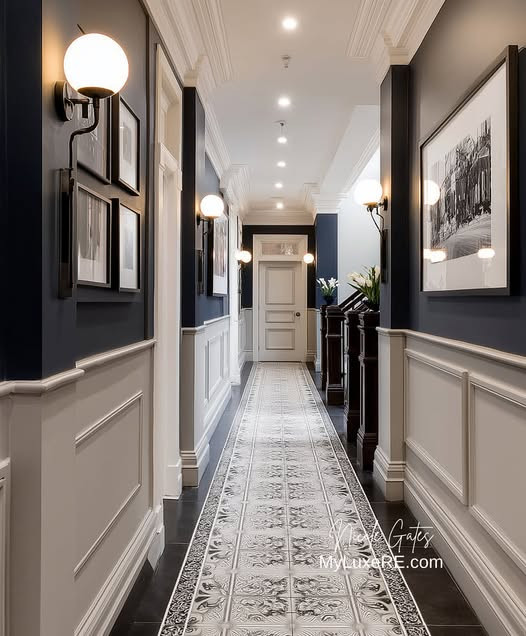
Wainscoting - A Timeless Detail That Transforms Walls
In a design landscape that often chases the new, wainscoting remains a quiet constant—an architectural detail that bridges history and modernity with remarkable ease. Whether anchoring a traditional dining room or adding depth to a contemporary office, wainscoting offers more than decoration. It introduces proportion, texture, and permanence to a space.
At its core, wainscoting is about refinement. It transforms flat walls into layered compositions, guiding the eye and shaping how a room feels. But what truly makes wainscoting special is its ability to adapt—across centuries, styles, and settings—while maintaining its essential character.
Wainscoting sits at a unique intersection in interior design: it is simultaneously architectural, decorative, and functional. Unlike surface-level finishes, it alters the perceived structure of a space—changing how walls are read, how light behaves, and how people experience scale.
For designers, this makes wainscoting less of a “style choice” and more of a design tool—one that can correct proportions, reinforce circulation, improve durability, and subtly communicate quality.
In interior design, some elements decorate—and others define. Wainscoting belongs firmly in the latter category.
At a glance, it may read as a classic wall treatment. But in practice, wainscoting operates as a framework for shaping space. It introduces rhythm to blank walls, reinforces human scale, and adds a layer of permanence that paint alone cannot achieve.
What makes it truly special is not just its appearance, but its range. Wainscoting can be quiet or expressive, traditional or modern, subtle or architectural. It can correct proportions, protect surfaces, and even support brand identity in commercial environments.
For designers, the shift is this:
Wainscoting is not just a finish—it’s a decision-making tool.
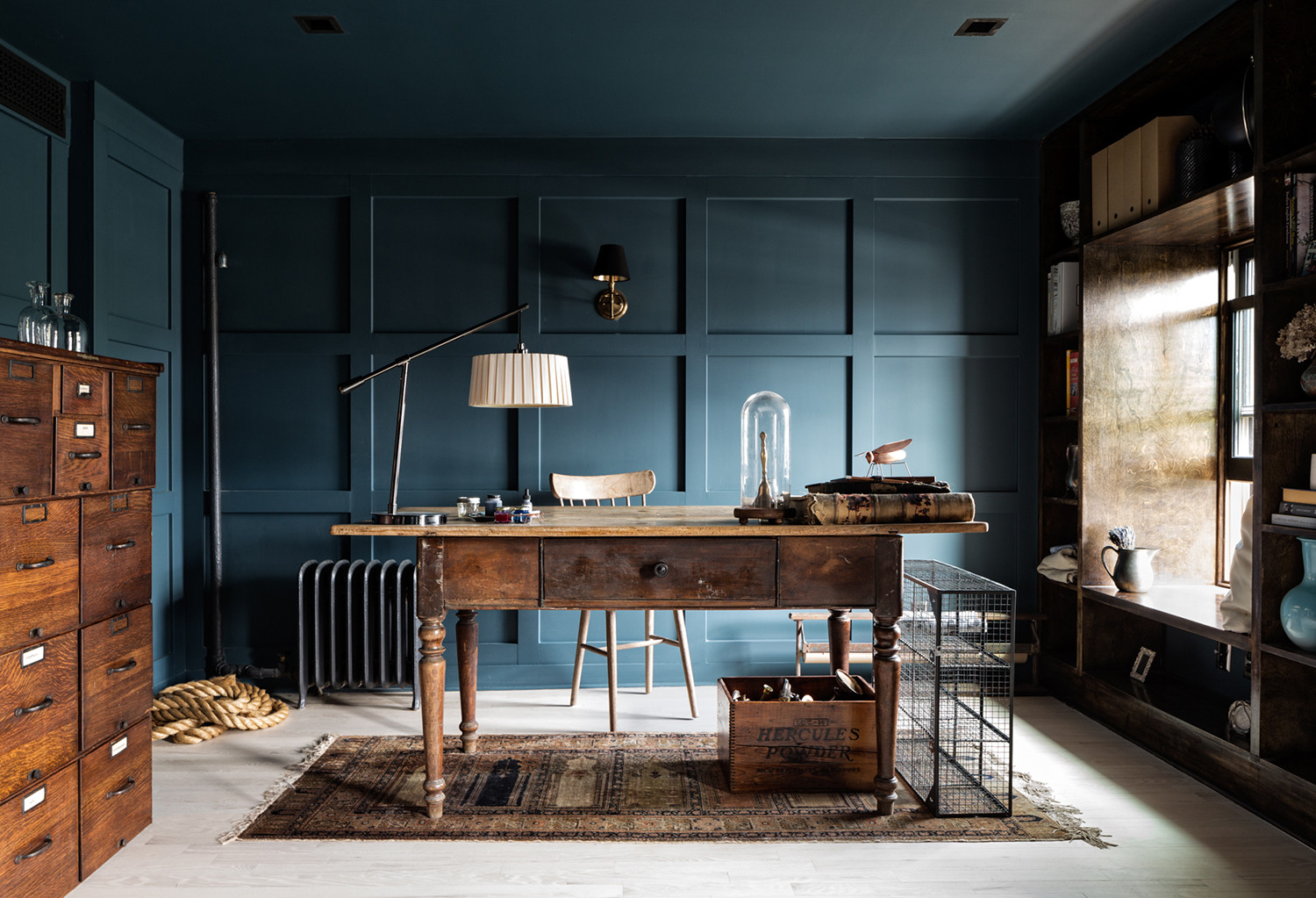
Image credit Ty Cole. Design by Bespoke Only Homes and Gardens
A Brief History - From Practical Protection to Design Statement
Wainscoting originated in 16th-century Europe, particularly in England and the Netherlands, where it served a highly practical purpose. Homes built with stone or brick walls were often cold and damp, so wooden paneling was installed along the lower portion of walls to provide insulation and protect against moisture.
The term itself comes from “wain’s coat,” referring to high-quality imported oak used for paneling. Over time, as construction methods improved, the functional need diminished—but the aesthetic appeal endured.
By the 18th century, wainscoting had become a symbol of craftsmanship and status. Intricate raised panels, detailed moldings, and carefully proportioned layouts were hallmarks of well-appointed interiors. In Colonial America, simpler versions evolved, including beadboard and flat panel designs that balanced elegance with practicality.
While its origins are practical—insulation, moisture control, and wall protection—the reason wainscoting persists is not nostalgia. It’s because it solves those same problems that still exist.
What has changed is how we execute it.
Today, wainscoting spans a wide stylistic spectrum—from classic to contemporary—while still echoing its origins in protection, structure, and beauty. It is less about heavy ornamentation and more about intentional restraint, alignment, and material clarity—principles rooted in both classical design and modern minimalism.
“The most enduring design elements are the ones that began as solutions and achieve timelessness through proportion and detail.”
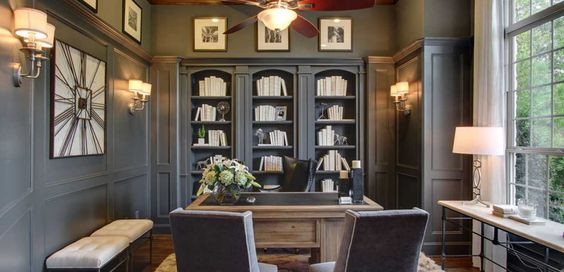
Credit: Classic Style Home
What Makes Wainscoting Special?
Wainscoting’s enduring appeal comes from its unique ability to serve multiple roles simultaneously.
Architectural Depth
Flat drywall offers little visual engagement. Wainscoting introduces rhythm through panels, rails, and stiles, creating a sense of structure that elevates even the simplest spaces.
Human-Scale Proportion
By defining the lower third (or sometimes half) of a wall, wainscoting helps ground a room. It aligns with furniture height and human scale, making spaces feel more intentional and comfortable.
Durability and Protection
In high-traffic areas, wainscoting protects walls from scuffs, dents, and wear—making it as practical today as it was centuries ago.
Versatility Across Styles
From traditional raised panels to sleek, modern slat walls, wainscoting adapts seamlessly to different design aesthetics.
Subtle Luxury
Unlike bold statement features, wainscoting communicates quality in a quieter way. It’s often felt before it’s consciously noticed.
“Great interiors don’t rely on more elements—they rely on better ones, thoughtfully placed.”
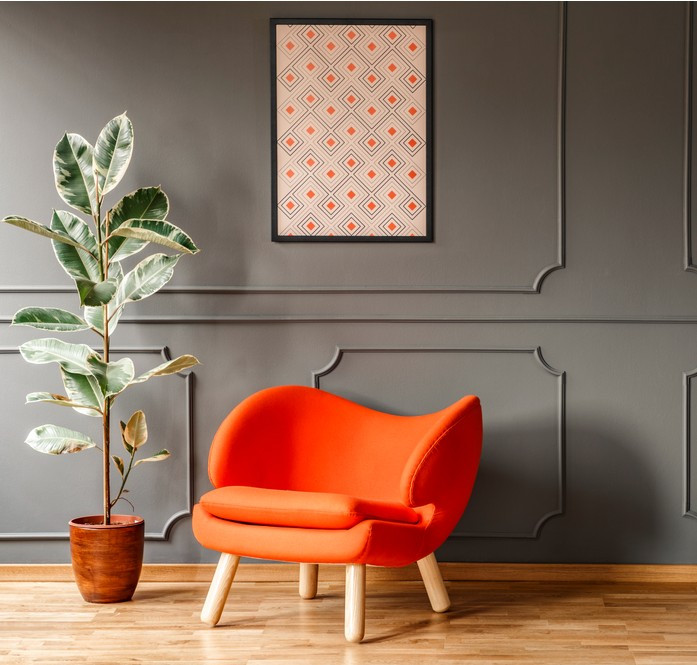
Credit: Updates by Joshua
Types of Wainscoting (And When to Use Them)
Understanding the main types helps designers and homeowners choose the right application for their space.
Raised Panel
Classic and formal, often associated with traditional interiors. Ideal for dining rooms, libraries, and executive offices.
Flat Panel (Shaker Style)
Clean and versatile, perfect for transitional or modern homes. Works well in living rooms, bedrooms, and hallways.
Beadboard
Vertical grooves create a casual, cottage-inspired look. Common in bathrooms, kitchens, and coastal interiors.
Board and Batten
Defined by vertical battens over flat panels, offering a bold, structured appearance. Great for accent walls and entryways.
Slat or Ribbed Paneling (Modern Wainscoting)
A contemporary interpretation, often used in commercial and high-end residential spaces for texture and acoustic benefits.
Residential Applications: Elevating Everyday Living
Wainscoting can transform nearly every room in a home when applied thoughtfully.
Entryways and Hallways
These transitional spaces benefit immensely from added texture and durability. Wainscoting creates a welcoming first impression while protecting walls from daily wear.
Living Rooms
In living spaces, wainscoting adds subtle sophistication. It can frame furniture arrangements and provide a backdrop for art or built-ins.
Dining Rooms
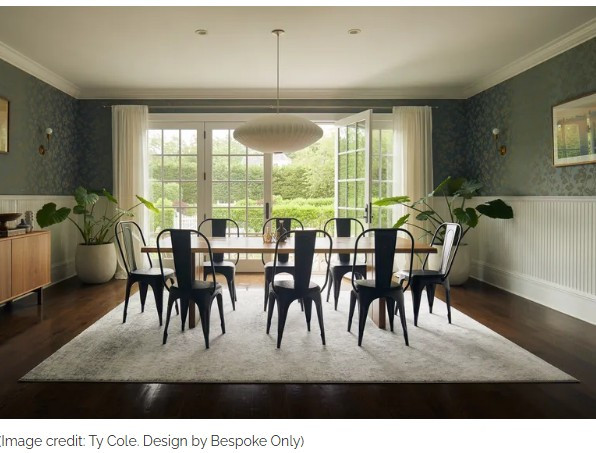
Traditionally one of the most common applications, wainscoting lends formality and structure, especially when paired with statement lighting.
Bathrooms
Beadboard or moisture-resistant panels bring charm while protecting walls from humidity and splashes.
Bedrooms
Used behind beds or along full walls, wainscoting can act as a subtle headboard alternative or add quiet texture.
“When every wall is flat, nothing stands out—wainscoting creates hierarchy without overwhelming the room.”
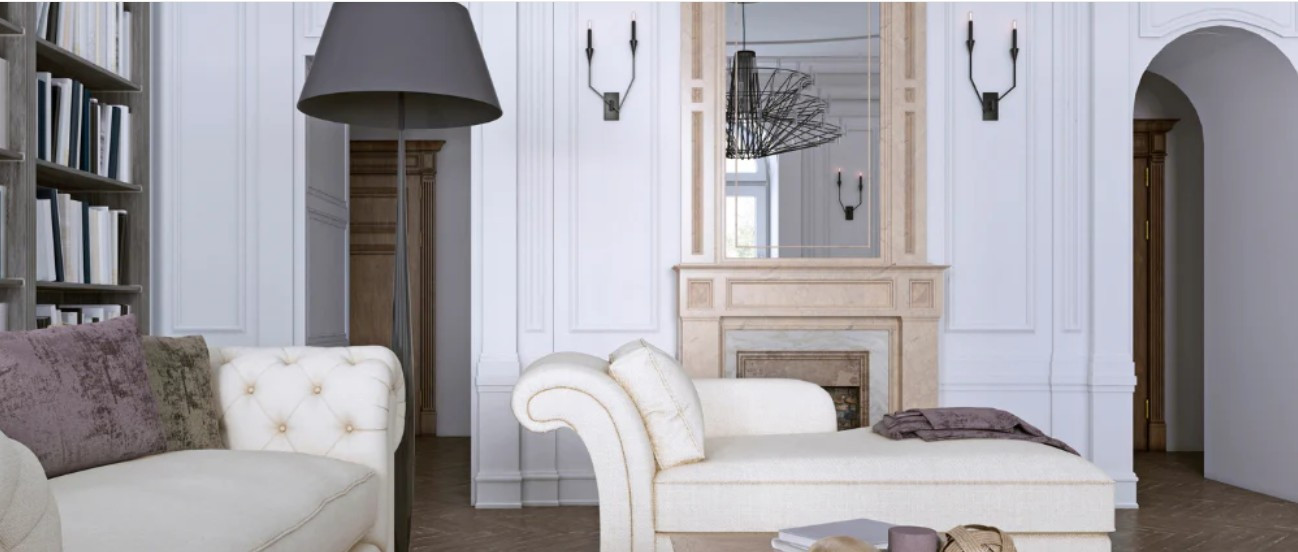
Credit: Australian Molding & Door Company
Residential Applications - Beyond the Expected
The strongest residential projects treat wainscoting as part of a larger system.
Integrated Storage and Millwork
Wainscoting can seamlessly transition into:
Built-in benches
Cabinetry
Mudroom systems
Storage systems
This creates continuity rather than layered elements competing for attention.
Color Strategy
Instead of default white:
Use tonal variations (wall + trim same hue, different sheen)
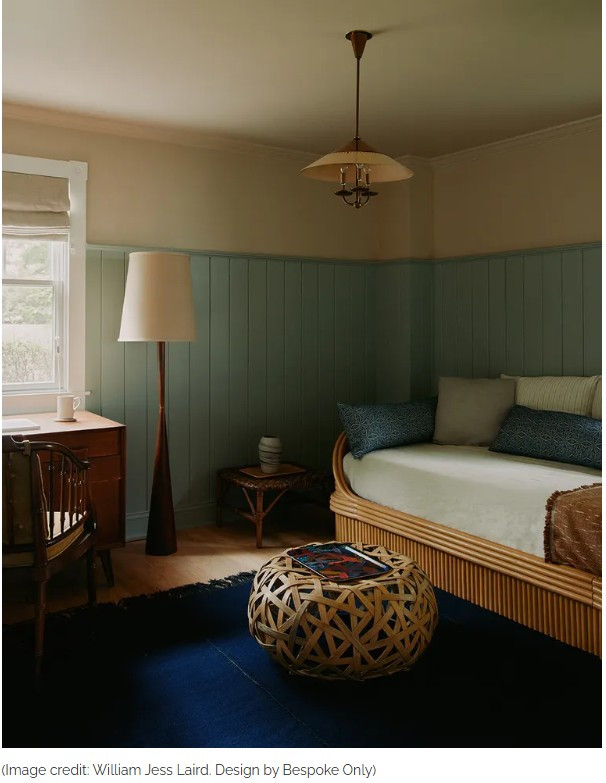
Introduce contrast (dark lower wall, light upper wall)
Apply color blocking to visually lower or raise ceilings
Feature Walls
Full-height applications can replace traditional accent walls with something more architectural.
Lighting Integration
Wall sconces, LED strips, or picture lights can interact beautifully with panel divisions, reinforcing rhythm and adding depth at night.
Transitions & Termination Points
Designers should always consider:
How wainscoting ends at doors, windows, and corners
Alignment with baseboards, casings, and crown molding
Whether the chair rail dies into trim or wraps continuously.
“Walls aren’t just boundaries—they’re compositions. Wainscoting gives you a framework to compose them.”
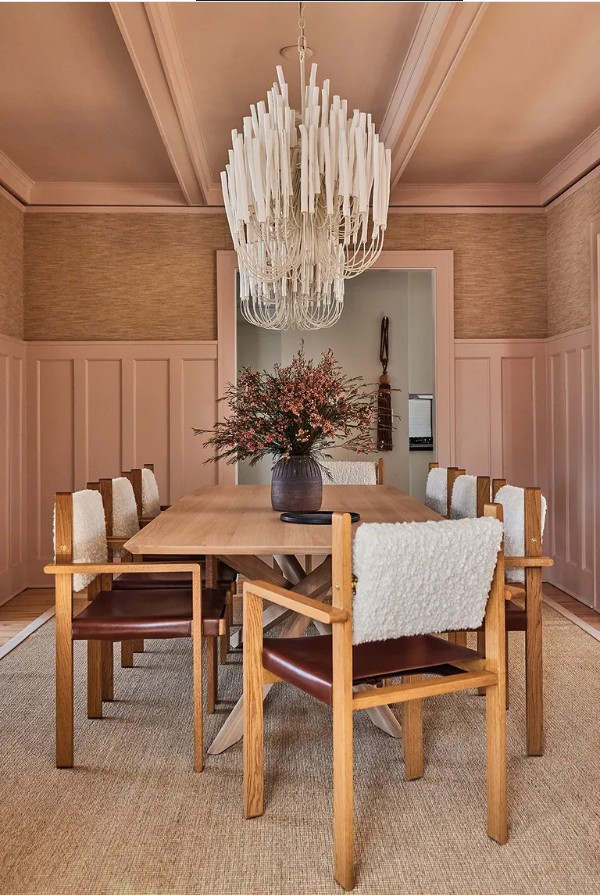
Credit: Anne McDonald Design
Material Matters - What Wainscoting Is Made Of (and Why It Matters)
One of the most overlooked aspects—especially for newer designers—is material selection. The “look” of wainscoting is only part of the story; performance, cost, and installation vary significantly.
Solid Wood
Best for: High-end residential, historic restorations
Pros: Authentic, durable, refinishable
Cons: Expensive, can expand/contract with humidity
MDF (Medium-Density Fiberboard)
Best for: Painted applications in residential and commercial interiors
Pros: Smooth finish, cost-effective, stable
Cons: Not moisture-resistant unless sealed properly
Plywood / Veneered Panels
Best for: Modern or wood-finished applications
Pros: More stable than solid wood, good for large panels
Cons: Edge detailing requires precision
PVC / Composite Panels
Best for: Bathrooms, healthcare, hospitality
Pros: Moisture-resistant, highly durable
Cons: Less authentic appearance if not detailed well
Fabric-Wrapped or Acoustic Panels
Best for: Offices, hospitality, conference rooms
Pros: Improves acoustics while adding texture
Cons: Higher cost, requires specialized installation
“The success of a detail isn’t just how it looks on day one—it’s how it performs over time.”
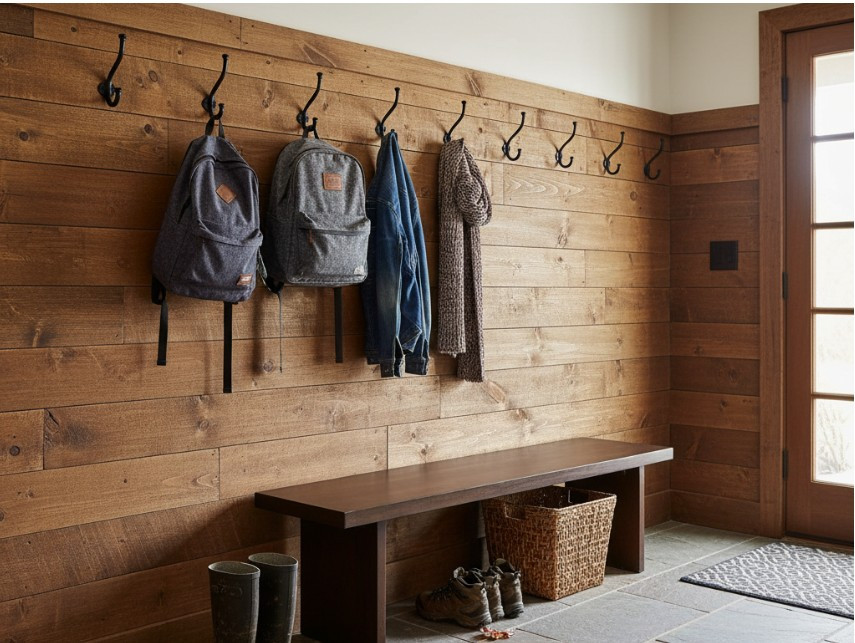
Credit: Woody Walls
When Should You Use Wainscoting?
This is often where designers hesitate—and where this topic becomes truly valuable.
Use Wainscoting When:
Walls feel too large or undefined
A space lacks architectural character
You need durability in high-traffic zones
You want to elevate perceived value without major renovation
There’s a need to visually anchor furniture or circulation paths
Avoid (or Minimize) When:
The space is already highly articulated
Ceilings are very low (unless carefully scaled)
The design intent is ultra-minimal
Budget doesn’t allow for proper execution
“Good design isn’t about adding more—it’s about knowing when something earns its place.”
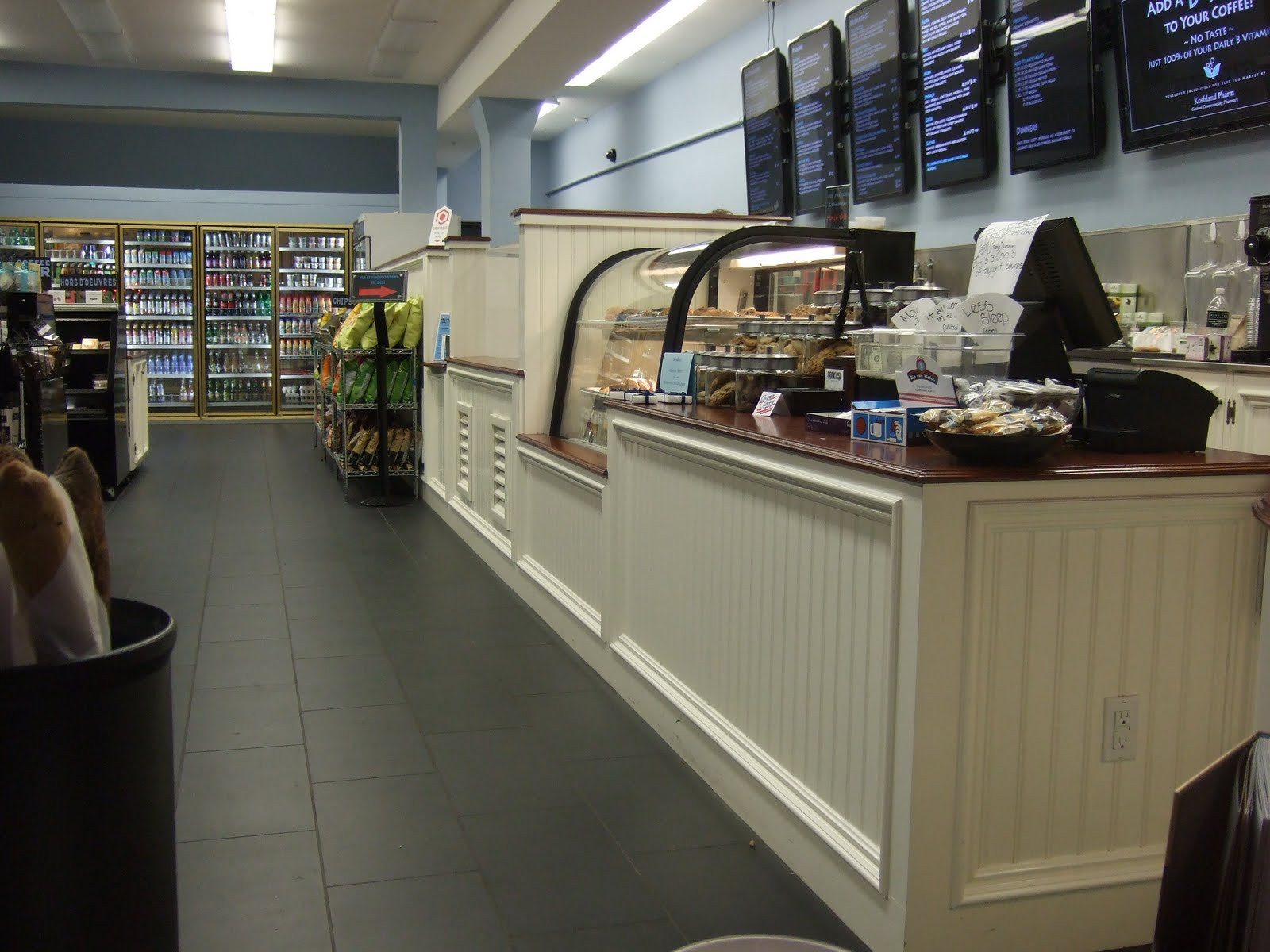
Credit: Back of the Board
Commercial Applications- Performance Meets Brand Expression
In commercial settings, wainscoting becomes even more strategic. It does more than enhance aesthetics—it reinforces brand identity and improves durability.
Hospitality (Restaurants & Hotels)
Wainscoting adds warmth and intimacy while withstanding heavy use. Darker tones can create mood, while lighter palettes feel fresh and inviting.
Office Spaces
In corporate or boutique office environments, wainscoting can elevate conference rooms, corridors, and reception areas.
Retail Environments
Used strategically, wainscoting can frame merchandise, guide circulation, and reinforce brand aesthetics.
Healthcare & Institutional Spaces
Durable paneling protects walls while softening otherwise clinical environments.
“In commercial design, every surface works twice—wainscoting delivers both performance and perception.”
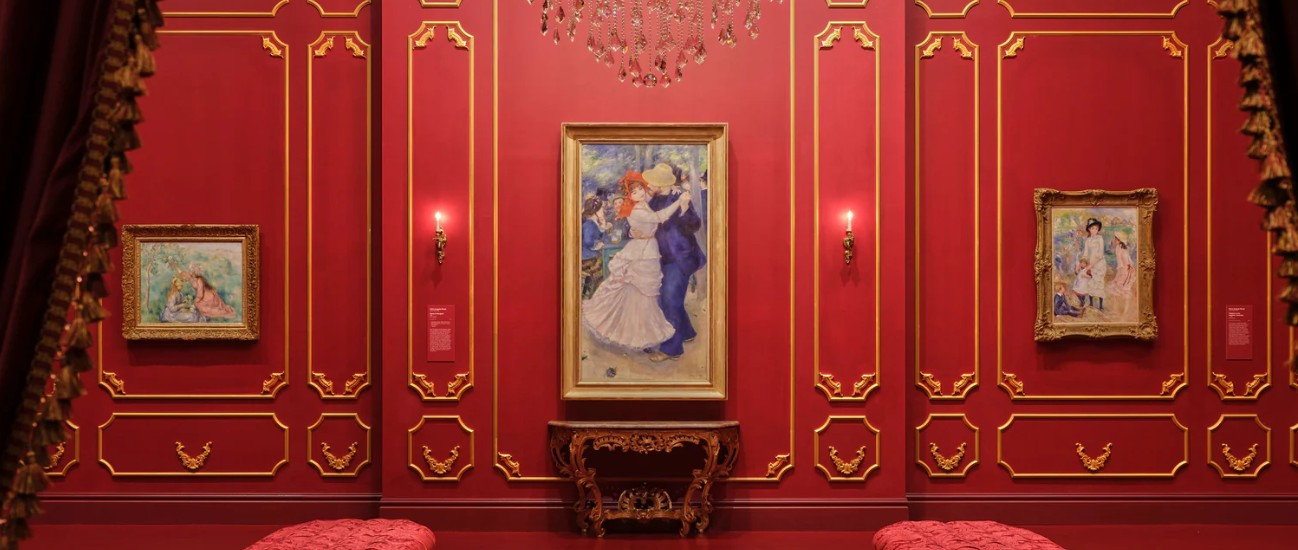
Credit: Australian Molding & Door Company
Durability as Design
In high-traffic environments (hospitality, healthcare, education):
Specify impact-resistant materials
Consider replaceable panel systems
Use darker tones or textured finishes to conceal wear
Brand Language Through Detail
Wainscoting can reflect brand identity:
Luxury → deeper profiles, richer materials
Minimal → flat panels, flush detailing
Playful → color, pattern, unexpected proportions
Acoustic Performance
In offices and restaurants, sound matters:
Slatted or upholstered wainscoting can reduce echo
Helps create more comfortable, usable environments
“In commercial interiors, the best details don’t just look good—they work hard behind the scenes. Every element should contribute—to performance, perception, or both.”
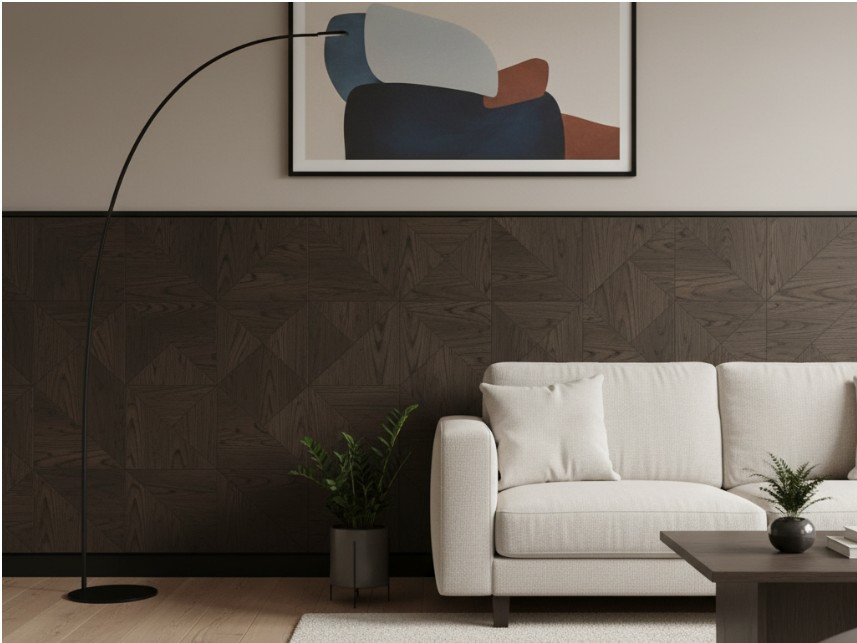
Credit: Woody Walls
Modern Interpretations- Reimagining a Classic
Today’s designers are pushing wainscoting beyond its traditional boundaries.
Full-Height Applications: Extending paneling to the ceiling for dramatic effect
Monochromatic Palettes: Painting walls and trim the same color for subtle texture
Mixed Materials: Combining wood with metal, stone, or upholstery panels
Bold Colors: Deep greens, charcoals, and navy tones for contemporary contrast
Minimal Profiles: Slim, simplified moldings for modern aesthetics
These approaches maintain the essence of wainscoting while aligning with current design trends.
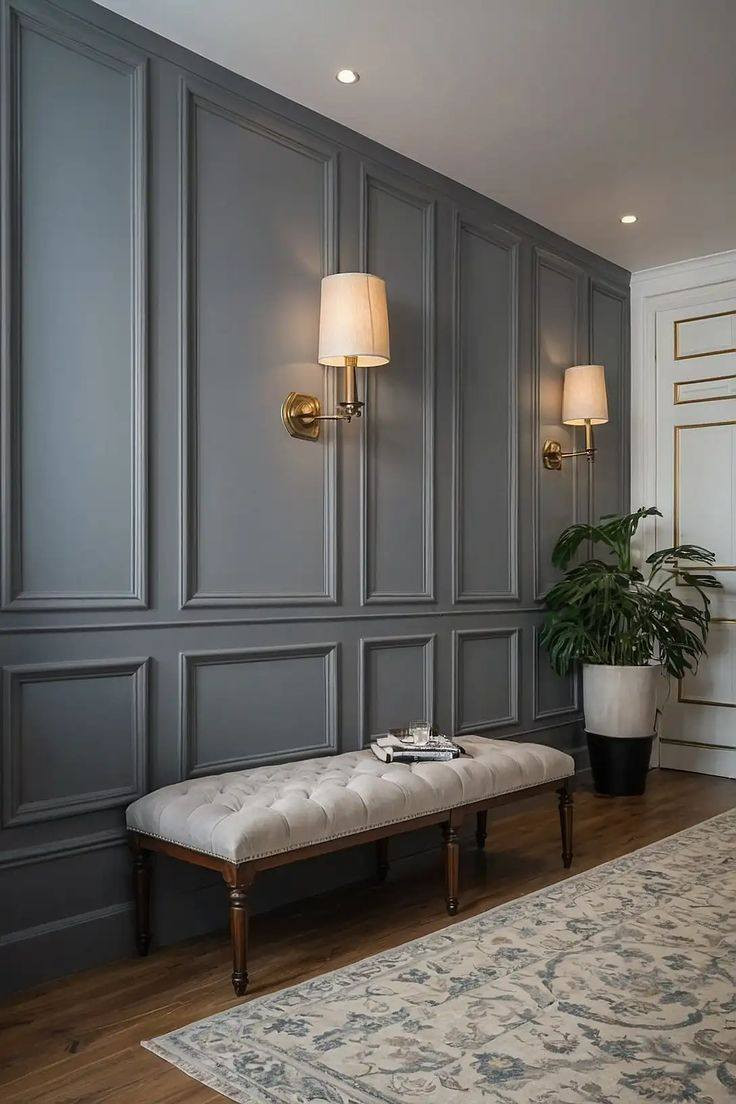
Credit: Jamie Huffman
How to Get Proportions Right
Proportion is what separates refined wainscoting from something that feels “off.”
Standard Height: Typically 32–36 inches, or about one-third of the wall
Taller Ceilings: Scale up to 40–48 inches or more
Chair Rail Alignment: Often aligns with furniture heights
Panel Width: Should feel balanced—neither too narrow nor overly wide
Getting these details right ensures the installation feels intentional rather than decorative afterthought.
“Proportion is the invisible language of design—when it’s right, everything feels effortless.”
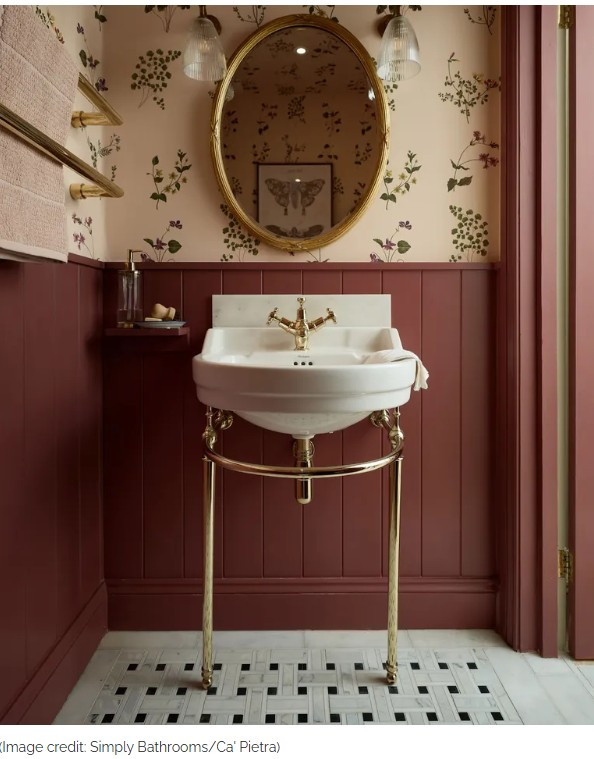
Is Wainscoting Worth It?
For many, the question isn’t whether wainscoting is beautiful—it’s whether it’s worth the investment.
The answer depends on priorities, but in most cases, it offers strong value:
Longevity: Durable materials extend wall life
Resale Appeal: Adds perceived quality to interiors
Design Flexibility: Works across styles and future updates
Visual Impact: High return relative to cost compared to major renovations
When thoughtfully designed and properly installed, wainscoting becomes part of the architecture—not just an added feature.
A Simple Designer’s Framework (Practical Takeaway)
When considering wainscoting, ask:
What problem am I solving?
(Scale, durability, visual interest?)
What level of detail fits the space?
(Minimal, transitional, traditional?)
What should it align with?
(Architecture, furniture, lighting?)
How will it perform over time?
(Traffic, maintenance, longevity?)
Does it elevate the design—or just decorate it?
If you can answer those clearly, the solution will feel intentional.
“Details are where design becomes believable—wainscoting is one of the clearest ways to show intention.”
Final Thoughts
Wainscoting endures because it does something many design elements cannot—it balances beauty and utility without compromise. It protects, defines, and elevates spaces while quietly reinforcing the principles of good design.
In both residential and commercial environments, it offers an opportunity to move beyond surface-level decoration and create interiors that feel considered and complete.
For designers and homeowners alike, the lesson is clear: meaningful details matter. And sometimes, the most impactful choices are the ones that have stood the test of time.
“Timeless design isn’t about looking back—it’s about carrying forward what has always worked.”
Wainscoting is often introduced as a decorative upgrade—but at its best, it operates at a much higher level. It organizes space, reinforces scale, protects surfaces, communicates design intent and elevates everyday environments.
For interior designers, mastering wainscoting means moving beyond selecting a style and into thinking architecturally—about alignment, proportion, material, and use.
Because ultimately, what makes wainscoting special isn’t just how it looks.
It’s how intelligently it’s used.
“Wainscoting isn’t about filling a wall—it’s about giving it structure, purpose, and presence.”