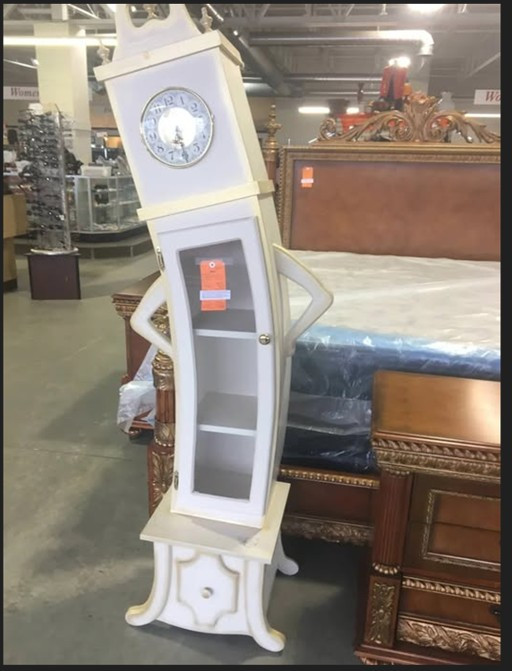
Photo Credit - Found on Facebook at Thriftstore Find and Share
Thrifting: What Secondhand Objects Teach Us About Enduring Design
June is here and has arrived (as always) before we are ready for it. The good news? This is a perfect time of the year for treasure hunting. As we dive into summer, treasures will abound in expected and unexpected places – like your neighborhood curbside finds. The trick is look for those items that will bring joy to and enhance your home and your world. And it’s fun! Happy treasure hunting!
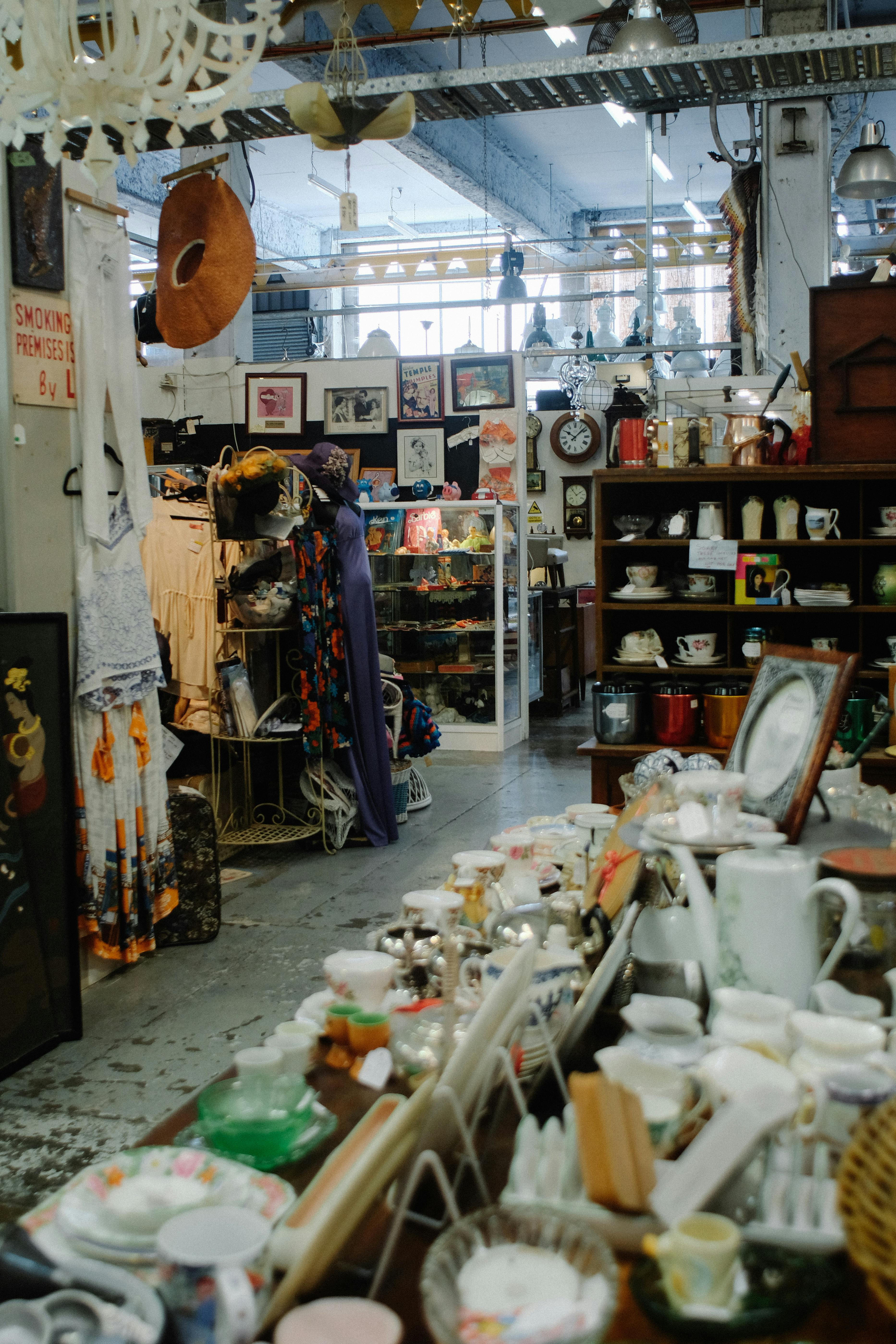
Photo Credit - Dương Nhân - Pexels.com
Introduction: More Than Bargain Hunting
For many people, thrifting is associated with finding affordable clothing, uncovering hidden treasures, or supporting charitable organizations. Yet beneath these practical motivations lies a much deeper story. Thrift stores, antique malls, flea markets, and resale shops function as unexpected archives of design history, preserving objects that might otherwise disappear from the cultural record. Every donated chair, lamp, picture frame, ceramic vase, or dining table carries traces of the era in which it was made and the households in which it was used. Together, these objects create a living timeline of domestic life that reveals changing tastes, technologies, values, and lifestyles across generations.
Unlike museums, which often preserve exceptional examples of design, thrift stores preserve the ordinary objects that shaped everyday experiences. They offer a glimpse into how families furnished their homes, decorated their living spaces, and expressed personal style throughout history. In many ways, walking through a thrift store is like wandering through multiple decades simultaneously, encountering pieces that tell stories of craftsmanship, practicality, aspiration, and memory.
The history of thrifting is therefore not merely a story about commerce or affordability. It is also a story about preservation, sustainability, and the enduring power of well-designed objects to remain useful and meaningful long after their original owners have moved on.
Design Lesson: Great design often survives changing trends because it balances beauty, functionality, and emotional resonance. Objects that continue to find new homes demonstrate the lasting value of thoughtful design.
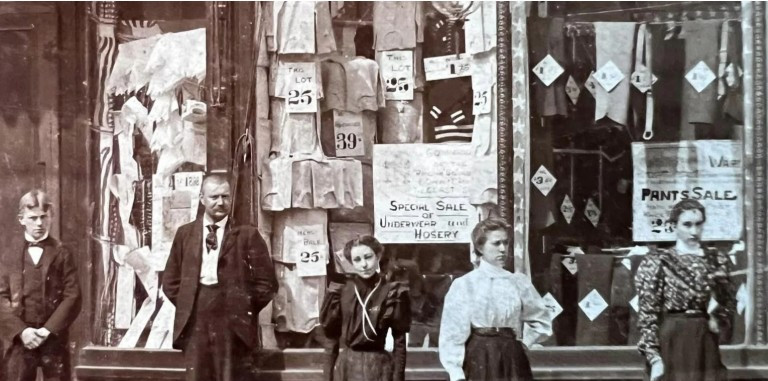 Photo Credit - GetLuckyVintage.com
The Long History of Secondhand Living
The practice of purchasing used goods is far older than the modern thrift store. Throughout most of human history, furniture, textiles, clothing, and household objects represented significant investments of labor and resources. Rather than discarding possessions, people repaired, repurposed, inherited, and resold them. In medieval and early modern cities throughout Europe, thriving secondhand markets supplied affordable goods to individuals who could not afford newly produced items.
Furniture often passed through multiple generations, while textiles were altered to suit changing fashions and household needs. A loved wedding dress from a mother or grandmother was often tailored and fashionably updated for the daughter or granddaughter who relished the opportunity to wear it. Objects were valued not only for their appearance but also for the effort required to create them. A handcrafted chair or handwoven textile embodied hours of skilled labor, making preservation both economically sensible and culturally expected. Household furniture and objects – even in wealthy families – were kept in storage in preparation for the man or woman establishing a new household and welcomed the items.
The rise of charitable resale organizations in the nineteenth and early twentieth centuries transformed secondhand commerce into a structured system. Organizations such as The Salvation Army and Goodwill Industries collected donated goods, creating opportunities for employment, community support, and affordable access to household necessities. These institutions helped establish the thrift store model that remains familiar today.
What is particularly remarkable is how many historical objects survived precisely because they continued moving from one owner to another. Without these cycles of reuse, countless examples of everyday design would have vanished long ago.
Design Lesson: Designing for longevity rather than disposability creates objects capable of serving multiple generations. Durability remains one of the most sustainable design principles ever developed.
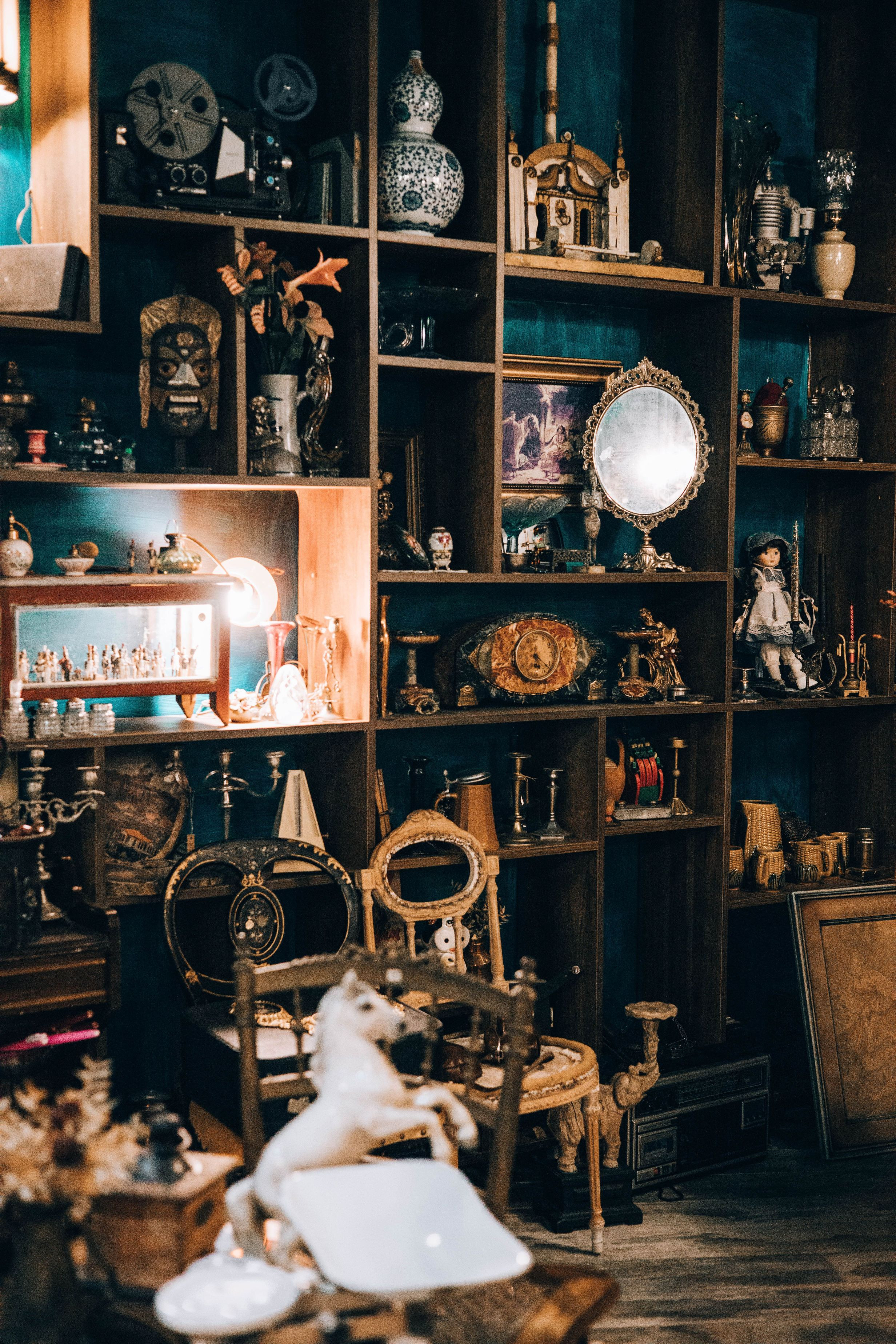
Photo Credit - Lokman Sevim - Pexels.com
Thrift Stores as Accidental Museums
Museums carefully curate collections to tell specific historical narratives. Thrift stores accomplish something similar, although entirely by accident. A single visit may reveal Victorian decorative arts, Art Deco lighting, Mid-Century Modern furniture, 1970s ceramics, and contemporary accessories sharing the same space.
This unique environment allows visitors to observe design evolution in a way few formal institutions can replicate. Materials, colors, manufacturing techniques, and decorative motifs become visible side by side. A carved oak table may sit beside a sleek chrome lamp, while hand-painted china shares shelf space with minimalist modern ceramics. Excitement builds as the shopper envisions the items and how they will work with their home.
These juxtapositions reveal broader shifts in cultural values. Victorian interiors often emphasized ornamentation and display, while modernist movements prioritized simplicity and functional efficiency. Postwar design celebrated technological innovation, while contemporary aesthetics frequently focus on flexibility and sustainability.
Thrift stores preserve these visual conversations across time. They remind us that every design movement emerged in response to social, economic, and technological conditions. By observing these objects together, we gain insight into the changing priorities that shaped domestic life.
Design Lesson: Understanding historical design movements helps contemporary designers create spaces with greater depth, context, and meaning rather than relying solely on current trends.
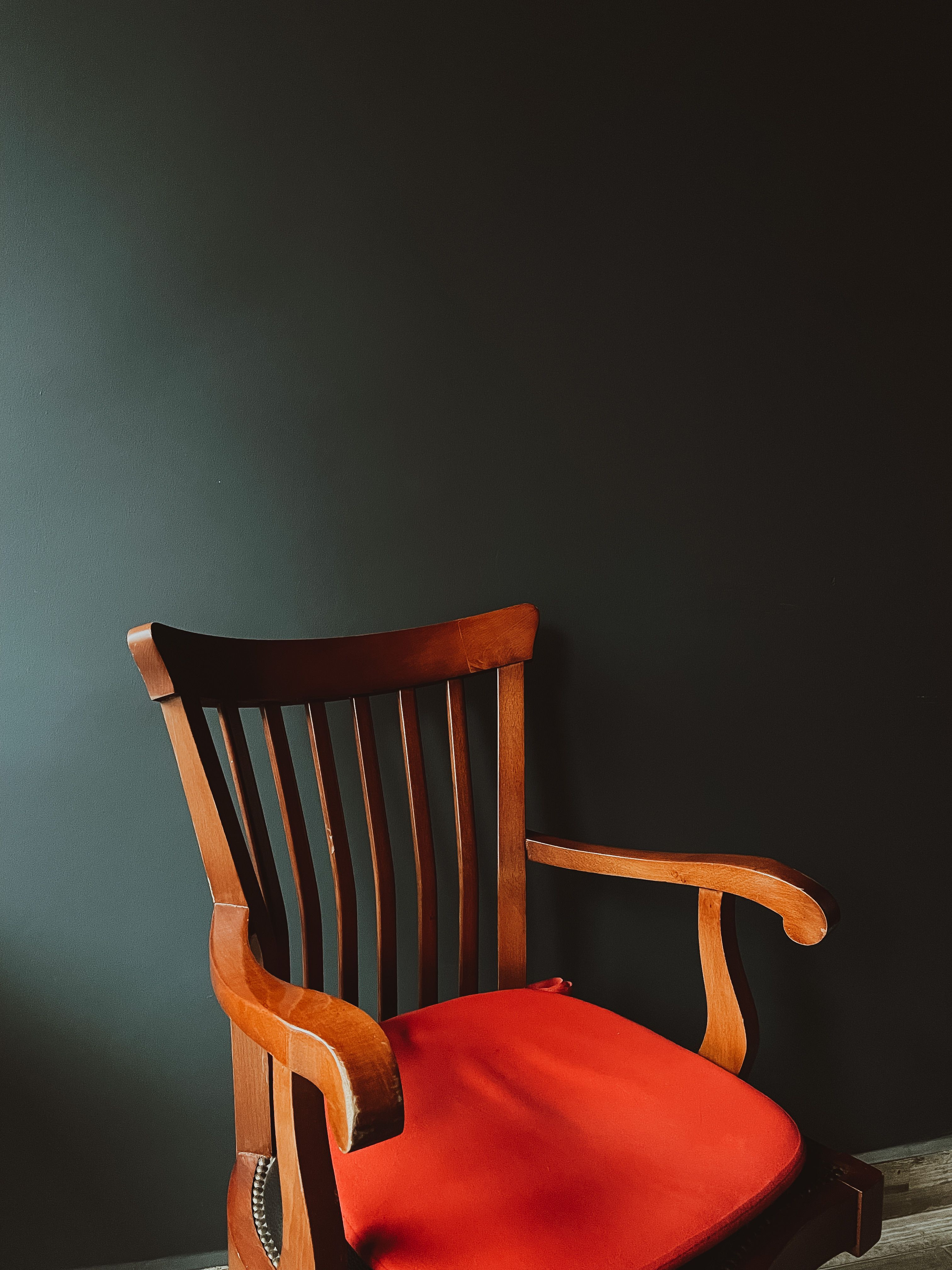
Photo Credit - Tuğba Kobal Yılmaz - Pexels.com
Why Some Objects Survive
One of the most intriguing questions raised by thrifting is why certain objects endure while others disappear. The answer often reveals important truths about design quality.
Objects that survive decades of use typically possess characteristics that transcend temporary fashion. They are often well-constructed, adaptable, repairable, and aesthetically balanced. Solid wood furniture, for example, can be refinished and repaired numerous times. A classic ceramic vase remains useful regardless of changing decorative trends. A well-proportioned chair continues to offer comfort long after its original upholstery has been replaced.
Survival also reflects emotional value. People tend to preserve objects associated with meaningful experiences, family traditions, or personal milestones. These items acquire significance beyond their functional purpose, becoming vessels for memory and identity.
The objects most frequently rediscovered in thrift stores often represent a combination of practical utility and emotional durability. Their continued circulation suggests that good design, as well as the care taken with and given to the objects serve both physical and psychological needs.
Design Lesson: The most enduring designs are those that combine functionality with emotional connection. People preserve what remains useful, meaningful, or beautiful over time.
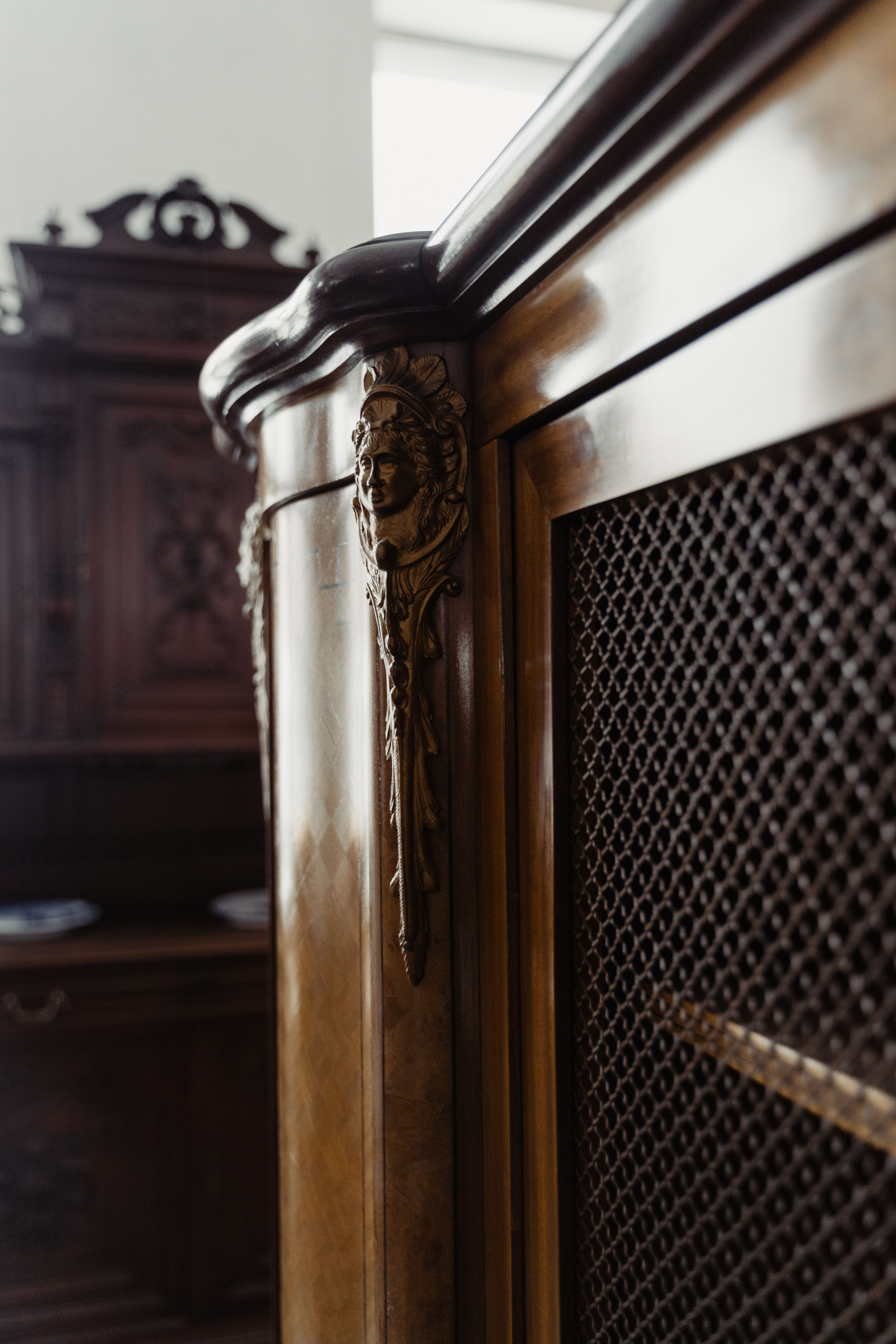
Photo Credit - Tima Miroshnichenko - Pexels.com
Craftsmanship, Materials, and the Value of Age
Many thrifted objects highlight qualities that are increasingly rare in an era of rapid manufacturing and frequent replacement. Older furniture often showcases solid hardwood construction, hand-finished details, traditional joinery, and materials selected for durability rather than short-term cost efficiency.
Age itself can become a design asset. Wood develops rich patina. Brass acquires character through use. Leather softens and gains visual depth. These changes create a sense of authenticity that cannot be manufactured instantly.
Historically, many household objects were expected to age gracefully. Designers and craftspeople understood that materials would evolve over time, and they often selected finishes that improved rather than deteriorated with use. This philosophy contrasts with products designed primarily for short life cycles or rapid replacement.
The popularity of vintage furnishings reflects a growing appreciation for these qualities. Consumers increasingly recognize that signs of age often tell stories of longevity rather than decline.
Design Lesson: Materials that develop character over time contribute to emotional attachment and long-term satisfaction. Designing for graceful aging can enhance an object's value rather than diminish it.
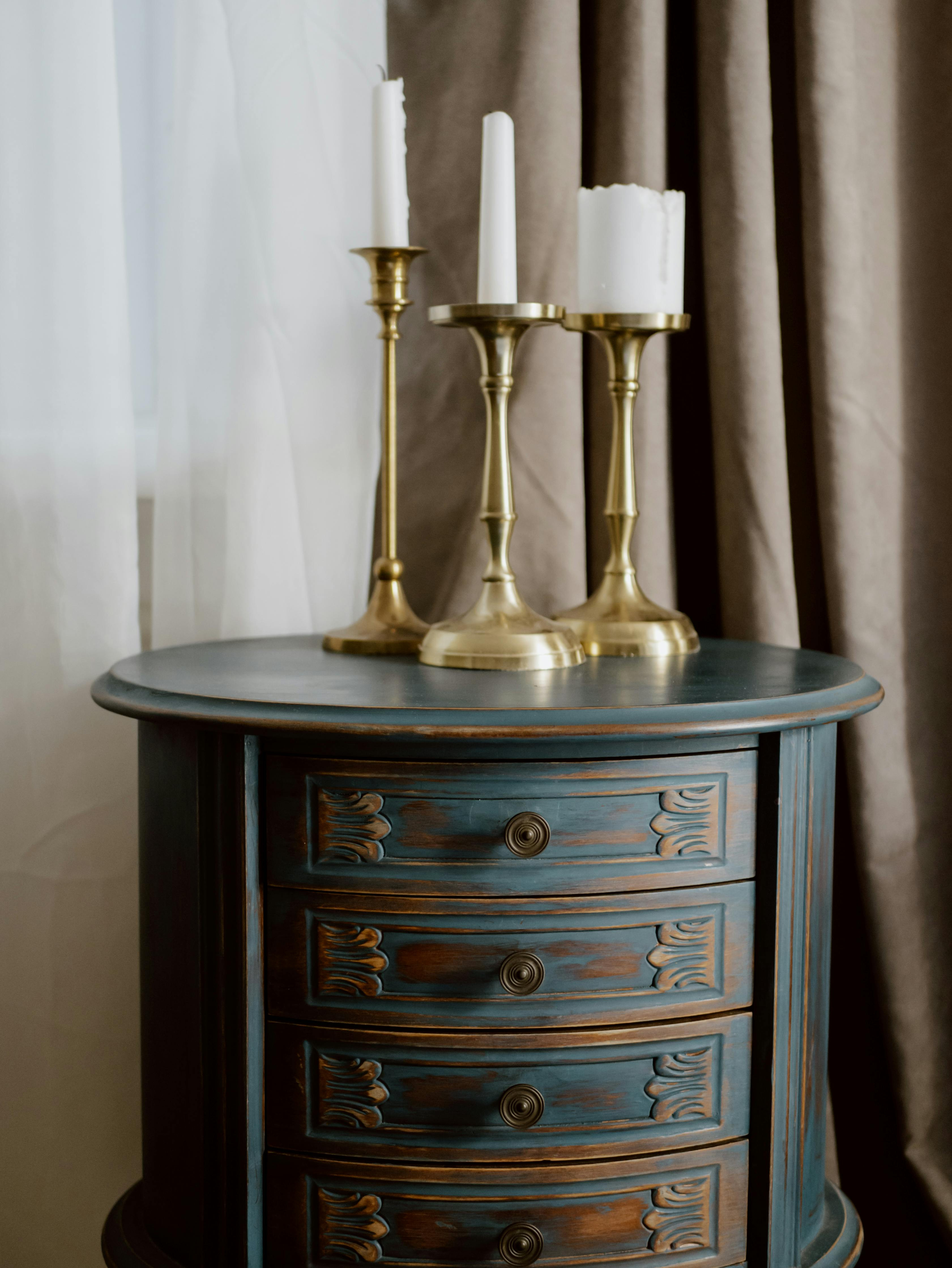
Photo Credit - Polina - Pexels.com
The Rise of Sustainable Design Through Reuse
Although sustainability is often viewed as a contemporary concern, the practice of reusing household goods has deep historical roots. Previous generations routinely repaired furniture, mended textiles, refinished surfaces, and adapted possessions to changing needs. These habits emerged from necessity but also reflected a culture that valued stewardship over disposability.
Modern thrifting has become closely connected to environmental awareness. As concerns about waste, resource consumption, and fast-fashion culture have grown, many consumers have rediscovered the environmental benefits of purchasing secondhand goods.
Every thrifted object extends the useful life of existing materials while reducing demand for new production. This process conserves resources, reduces waste, and encourages more thoughtful consumption patterns. Yet the environmental value of thrifting extends beyond practical benefits. It also promotes a mindset that recognizes the potential hidden within existing objects.
By viewing furnishings and decorative items as resources rather than disposable commodities, consumers participate in a long tradition of responsible stewardship.
Design Lesson: Sustainable design is not solely about creating new products. It also involves preserving, adapting, and extending the life of existing objects whenever possible.
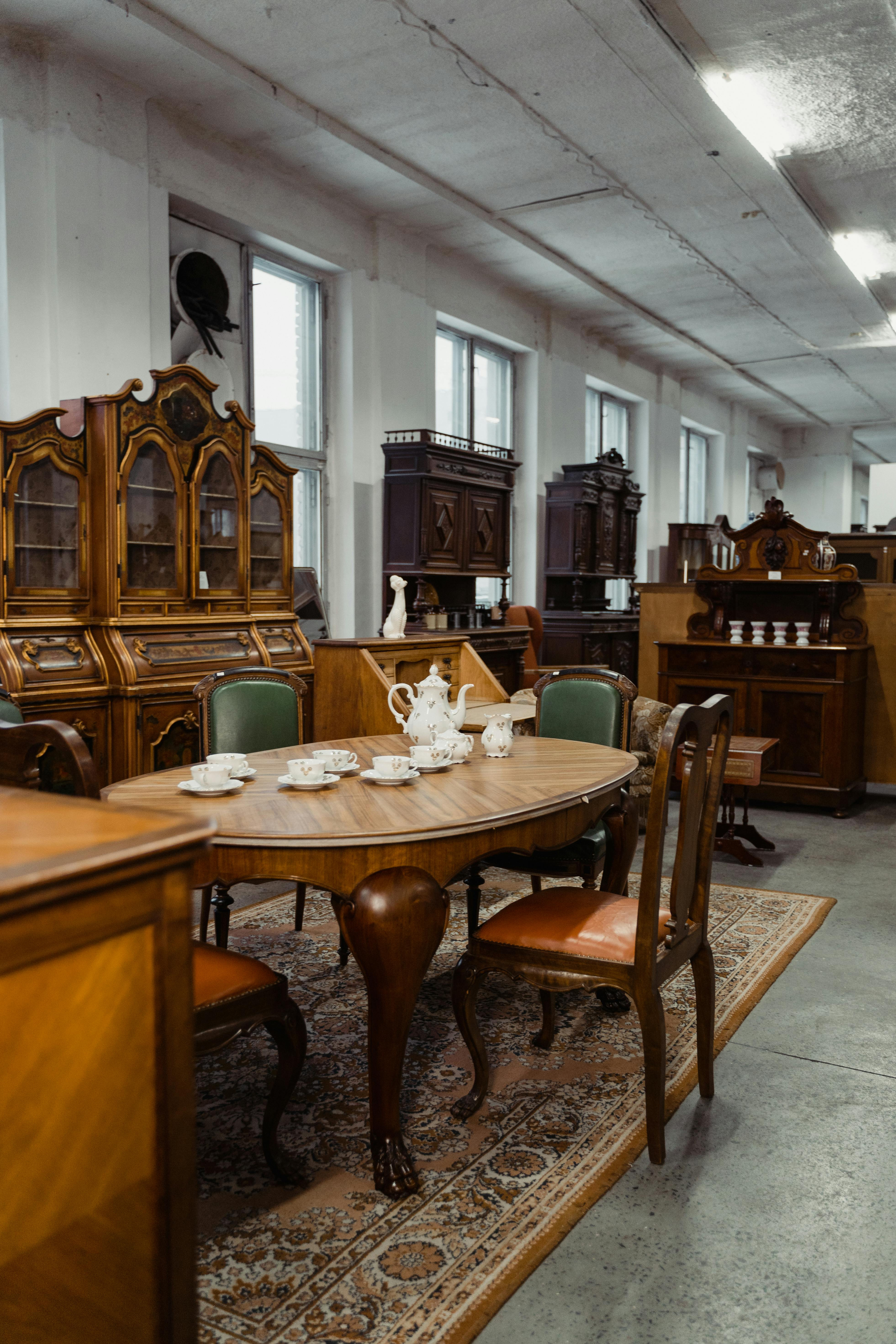
Photo Credit - Tima Miroshnichenko - Pexels.com
Curating Character in Contemporary Interiors
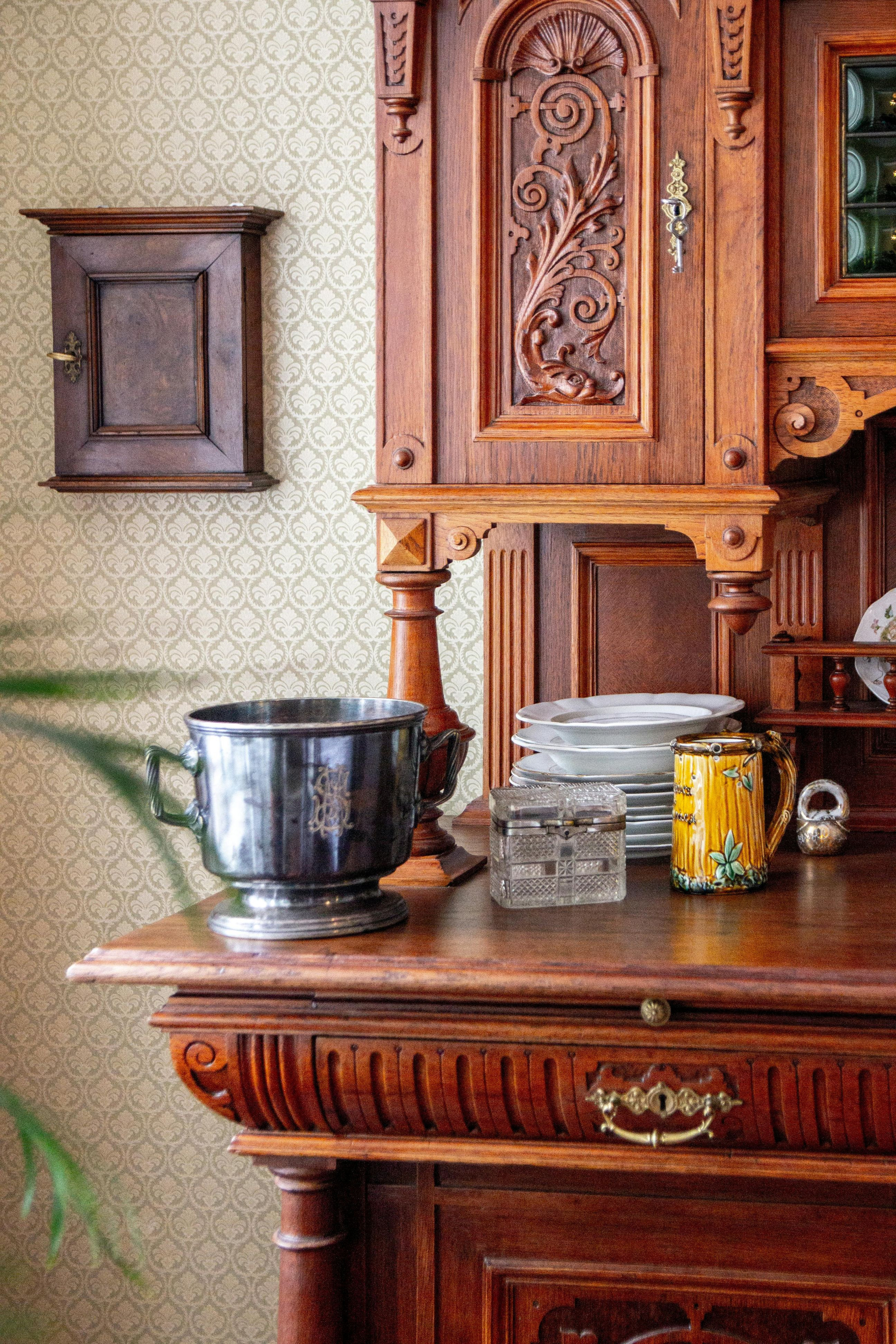
One reason thrifting remains popular among designers and homeowners is its ability to create interiors that feel personal and layered. New furnishings often arrive with little history, while vintage objects bring character, craftsmanship, and narrative depth.
A carefully selected thrifted lamp, antique mirror, or vintage side table can serve as a focal point that distinguishes a space from mass-produced interiors. These pieces contribute visual variety while creating opportunities for storytelling. Guests frequently ask about unusual objects, transforming décor into conversation and connection.
The most successful interiors rarely rely on a single design era. Instead, they blend old and new elements to create balance, warmth, and authenticity. Vintage furnishings soften contemporary spaces, while modern pieces help historic objects feel relevant rather than nostalgic.
This layering of time periods mirrors the way homes naturally evolve. Most households accumulate possessions gradually rather than all at once, resulting in environments that reflect changing experiences and relationships over time.
Design Lesson: Layering furnishings from different eras creates richer, more personalized interiors than strict adherence to a single style or trend.
Beyond the Thrift Store: Where Design History Continues to Live
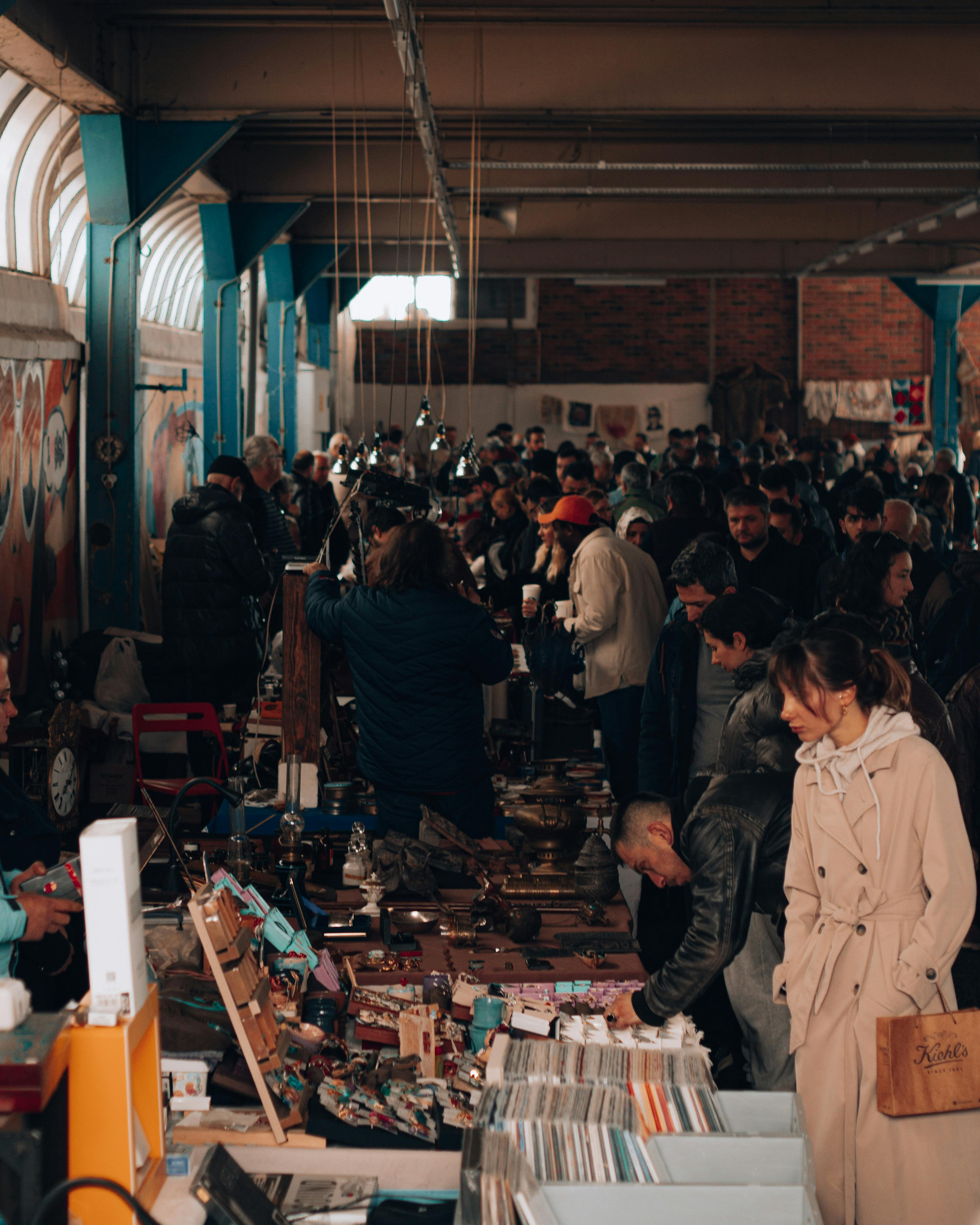
While thrift stores have become one of the most recognizable destinations for secondhand shopping, they represent only one chapter in a much larger story. Design history can be found wherever objects change hands and begin new lives. Estate sales reveal entire households preserved in time, often offering glimpses into the furnishings, decorative preferences, and daily routines of previous generations. Garage sales and yard sales place everyday domestic objects into circulation, allowing furniture, artwork, and household accessories to continue their usefulness rather than being discarded. Flea markets and antique fairs gather pieces from multiple eras, creating environments where collectors and casual shoppers alike can encounter design history firsthand.
Even architectural salvage yards preserve elements of the built environment that might otherwise disappear. Vintage doors, lighting fixtures, hardware, stained glass, and millwork provide tangible connections to historic craftsmanship and construction methods. These rescued materials frequently find new purpose in contemporary homes, extending their stories while preserving pieces of architectural heritage.
In recent years, online marketplaces have expanded access to secondhand goods even further. Furniture, decorative objects, and collectibles now travel between cities and regions with ease, allowing historically significant or well-crafted items to find appreciative new owners. While the experience differs from browsing a local thrift store, the underlying principle remains the same: extending the life of existing objects through reuse.
Perhaps the most unexpected source of design treasures is the curbside find. In many communities, furniture and household goods are left outside for collection, often available for anyone willing to transport them home. What one person considers unwanted may represent craftsmanship, quality materials, or design potential that another immediately recognizes. Stories abound of solid wood furniture, vintage lighting, antique mirrors, and distinctive decorative objects rescued from disposal and restored to active use.
These varied sources reveal an important truth about design. Valuable objects do not lose their worth simply because ownership changes. In fact, many pieces gain richness through the layers of history they accumulate over time. Every estate sale purchase, flea market discovery, garage sale find, or curbside rescue represents a continuation of an object's journey rather than the end of its usefulness.
Design Lesson: Good design can be found in unexpected places. Developing the ability to recognize quality, craftsmanship, and potential often matters more than knowing where an object was discovered.
Conclusion: The Enduring Journey of Objects
The history of thrifting reveals far more than changing shopping habits. It tells a story about how people assign value to objects, preserve meaningful possessions, and connect with the past through everyday design. Thrift stores serve as informal archives where domestic history remains accessible, tangible, and continually evolving.
Every secondhand object carries evidence of its journey through time. A dining chair may have hosted family celebrations across generations. A lamp may have illuminated countless evenings in different homes. A framed artwork may have witnessed decades of changing fashions and lifestyles. When these objects find new owners, their stories continue rather than end.
Perhaps this is the greatest lesson thrifting offers designers and homeowners alike. The most successful objects are not always the newest or most expensive. They are often the pieces that remain useful, beautiful, adaptable, and meaningful over time. Their continued presence reminds us that good design is measured not only by how it looks when first acquired, but by how well it serves and inspires people throughout its life.
Designers benefit from getting to know the owners of the local thrift stores. When a designer brings a customer into the store, they will gain valuable information from their clients as they watch what their clients relate and connect to.
In a world increasingly defined by rapid consumption, thrift stores quietly preserve an alternative vision—one in which objects are appreciated, cared for, rediscovered, and given new purpose. They remind us that enduring design is not merely created. It is sustained through generations of use, stewardship, and human connection.