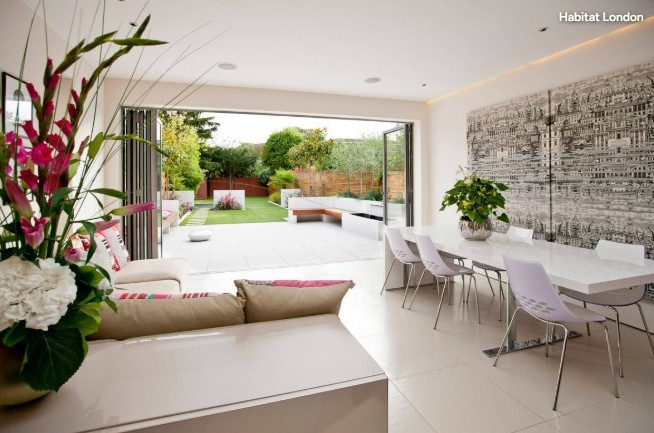
Photo Credit: Houzz.com
The Season Between: Designing for the Transition from Summer to Fall
How can interior designers transition a home from summer to fall?
Interior designers can ease the transition by adapting lighting, color, textiles, furniture placement, gathering spaces, and sensory elements to the changing temperature, earlier evenings, and evolving ways people use their homes. Rather than decorating for fall all at once, designers can create interiors that gradually feel warmer, more comfortable, and more inviting as people naturally begin spending more time indoors.
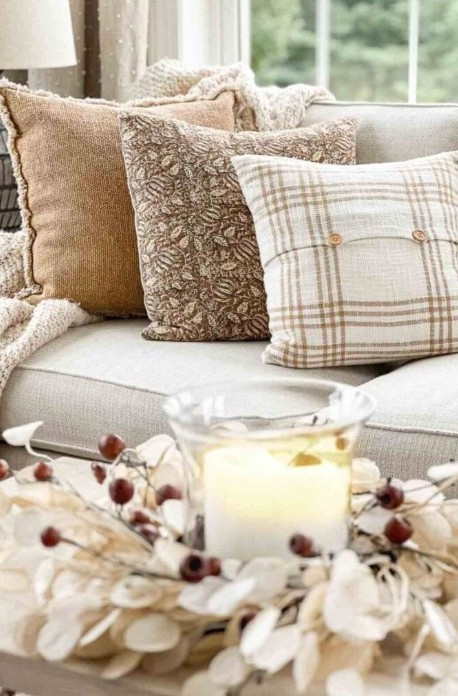
Photo Credit: StoneGableBlog.com
Somewhere between the long, hot days of summer and the cool, crisp days of fall lies a space of transition. As much as we might think we simply arrive in fall, the truth is we prepare for it in various ways. This is the perfect time for designers to think about how they might help their clients prepare themselves for a change in how they will live in their homes.
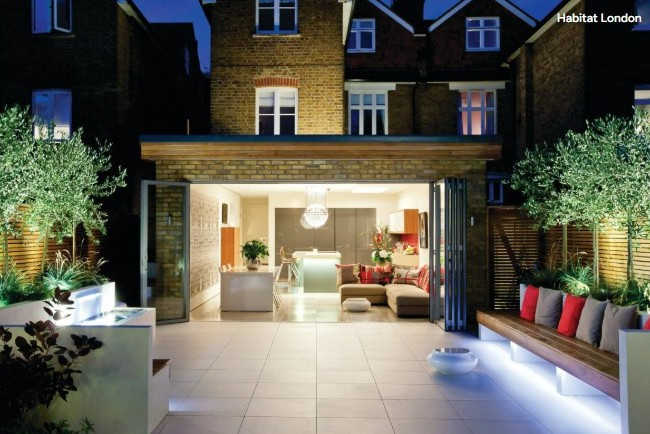
Photo Credit: Houzz.com
The Space Between Summer and Fall
After a summer season of spending time outside – eating meals with friends and family, watching laughing kids running through sprinklers, enjoying time under the stars and leaving the windows open – especially at night to sleep in the comfort of fresh summer evening air, nothing has officially changed. There are still days to spend outside.
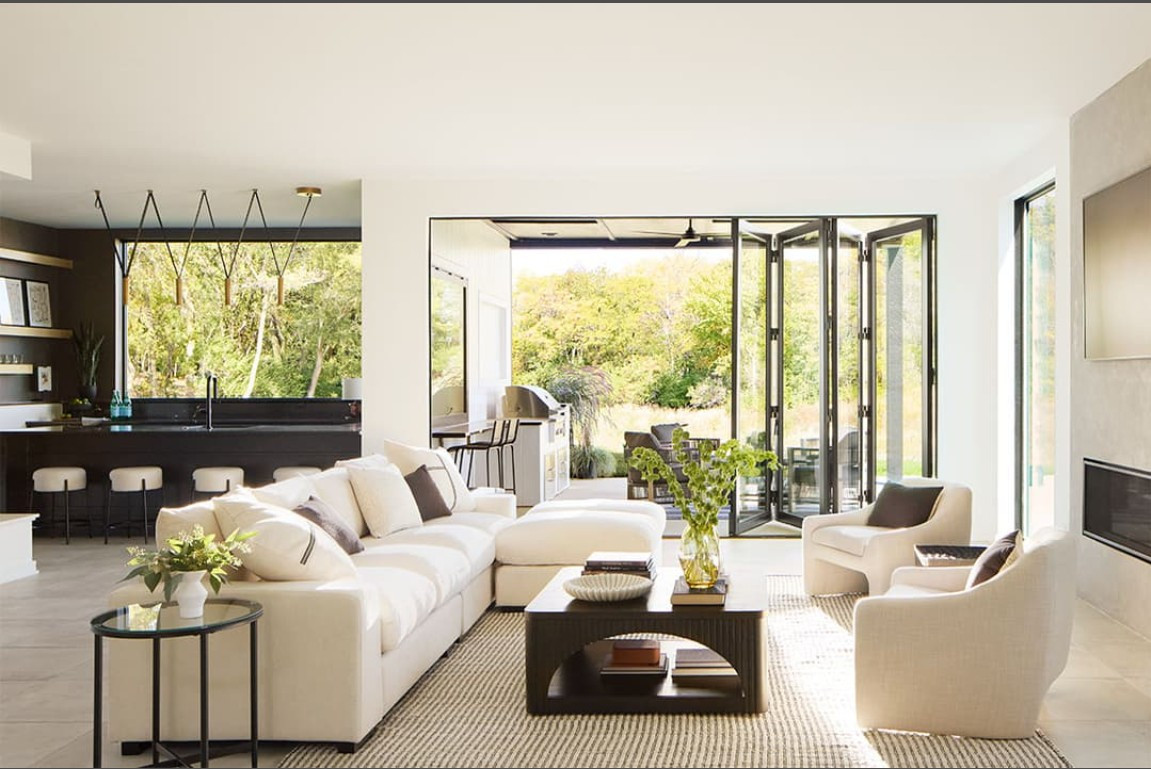
Photo Credit: Pella.com
We Don’t Simply Arrive in Fall
However, we feel it when the temperatures start to change and we begin behaving a little differently. The evening arrives a little earlier. The air feels heavier. We close the windows a little sooner. We notice a favorite chair that was moved to the corner so it was out of the way of the always open patio or terrace doors and before we can stop ourselves we start to long to move that chair closer to the fireplace and envision ourselves snuggling into it with a light blanket on our lap and losing ourselves in the adventure of a new book.
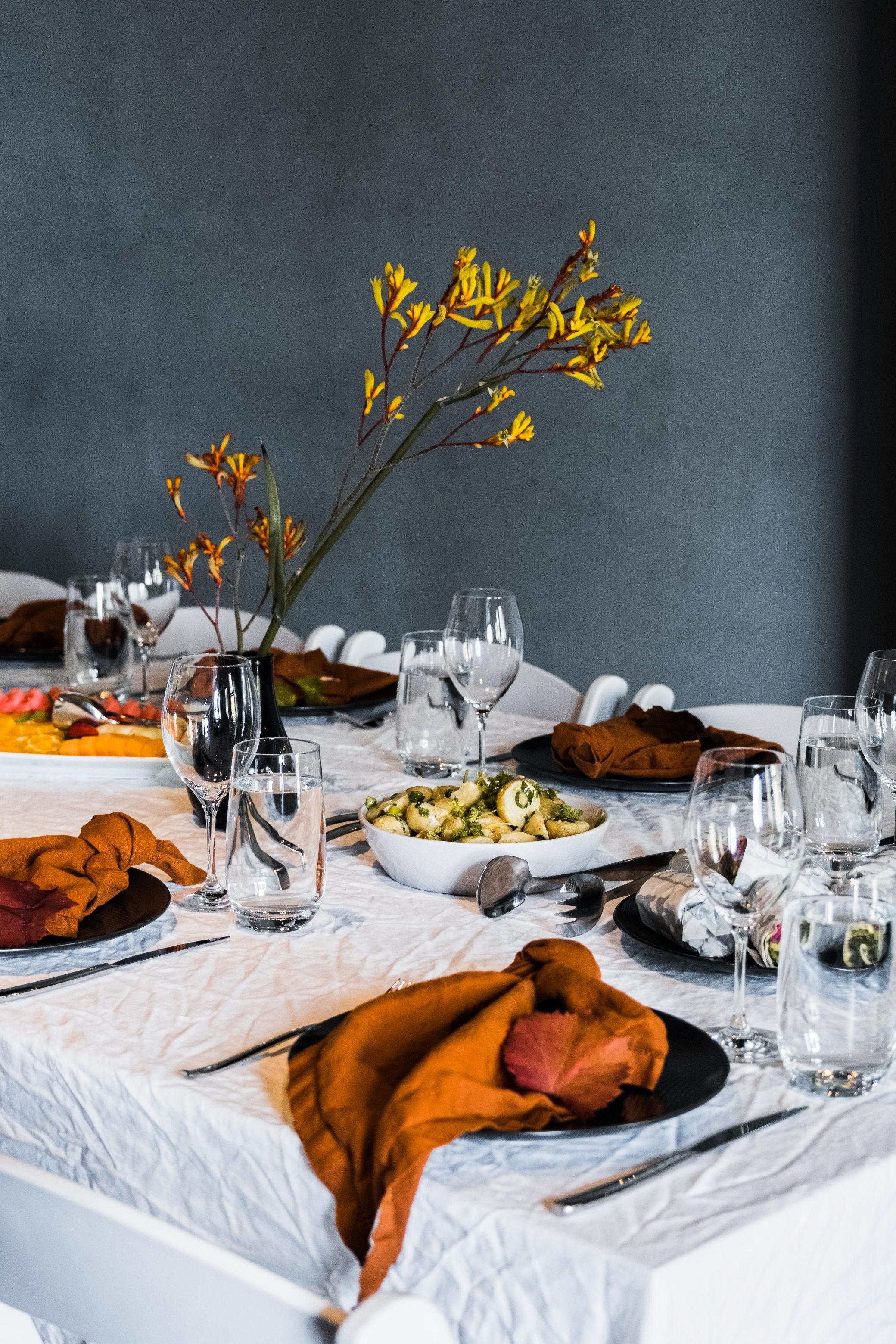
Photo Credit: Rachel Claire (pexels.com)
Designing for the In-Between
Since it’s too soon to decorate for fall with its wonderful, warm colors, pumpkins and scarecrows, when we once again enjoy our indoor spaces and summer is not quite over, now is the perfect time to lean into the space between and begin the seasonal transition.
With the earlier evenings, perhaps not all meals will be eaten outside. How can we make the dining room and kitchen more appealing? Spot decorate with colors. Use cool and transitional colors: Deep ocean blues and teals as reminders of time spent in the summer water; Muted lavender and dusty rose mimicking the season’s late summer blooms; Olive and sage greens as founding foliage colors that will transition smoothly into the changing colors of fall. Use warm and earthy tones: Terracotta and rust that reflect late summer sunsets and the early autumn colors; Goldenrod and mustard are the deep yellows of fall that are replacing the bright lemon yellows of summer flowers and quietly introducing autumn.
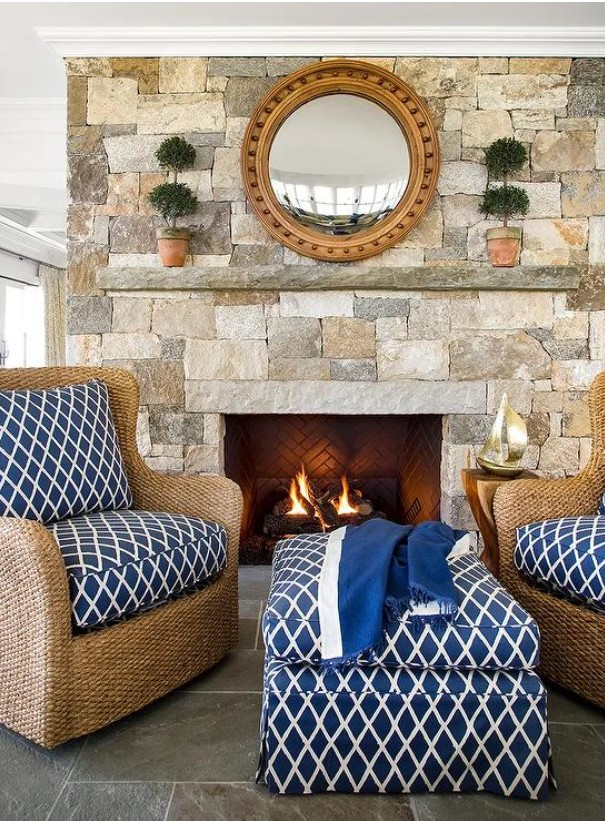
Photo Credit: Decorpad.com
Where Will People Gather Now?
Before climate-controlled homes, the seasons dictated where people gathered, and how they arranged their surroundings. The hearth wasn’t merely a source of heat. It was a gathering spot. Furniture and activity often surrounded it. Though, not all homes today have a fireplace, you can create a contemporary equivalent: a kitchen island; a dining table; a library; a conversation pit or even a beautifully designed tall counter.
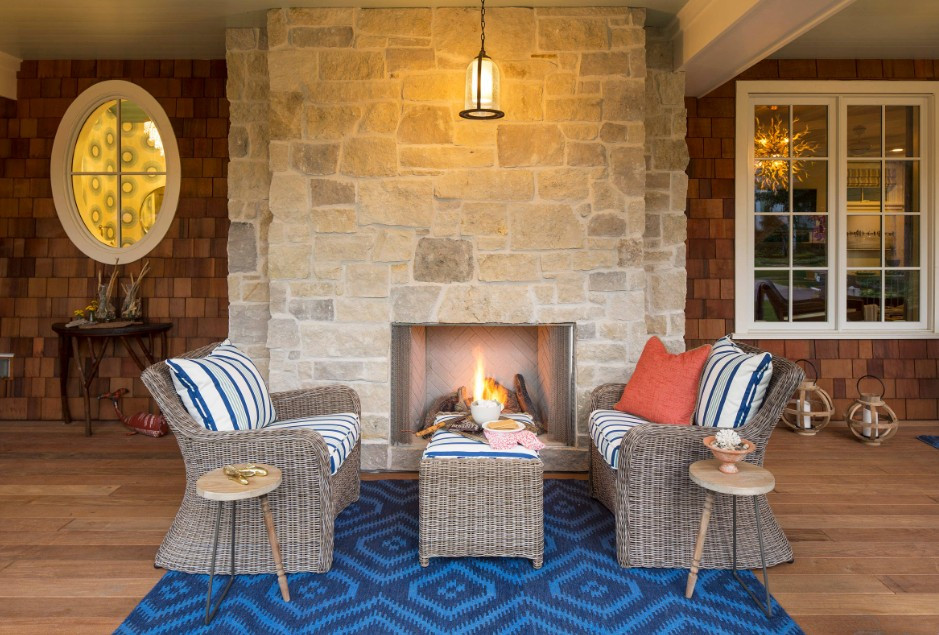
Photo Credit: Laura Engen Interior Designs (Houzz.com)
Furniture Isn’t Permanent Architecture
Furniture wasn’t always treated as permanent architecture. Chairs, tables, screens, rugs, and textiles could be moved according to need. Flexible elements can be maximized to change their purpose. Seasonal transition doesn’t necessarily require buying anything. Rearrangement itself can be a design intervention.
The question to ask is, “what gives people a reason to gather here?” Perhaps decorate the dining room table with a late summer flower arrangement on top of a lightly edge-decorated table runner at the end of the table and set out a charcuterie board with dominoes or other activities to entice a gathering. Layout board games or favorite movie CDs (or a small printed movie poster) on an ottoman, to encourage the family to once again begin gathering in the living room.
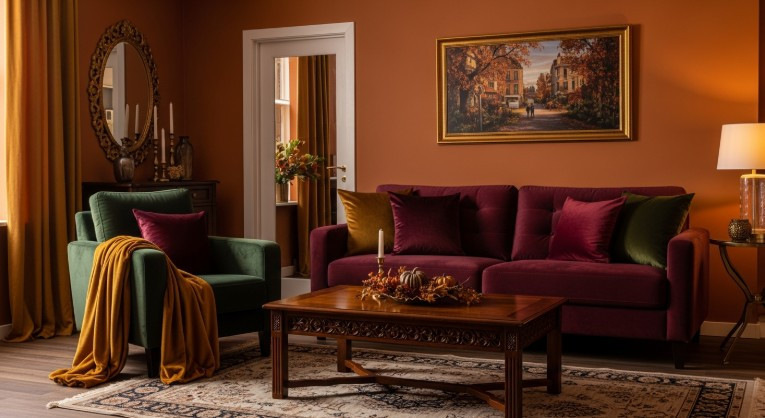
Photo Credit: HanorDecor.com
Design for the Sensory Experience of All
Textiles were not in the past and are not now in the present simply decorative. They help regulate comfort. Use richer textures, layered rugs, heavier drapery, leather, wood, wool and woven materials, and warmer finishes. Texture changes our perception of temperature and comfort.
Don’t decorate for fall. Design for the sensory experience of fall.
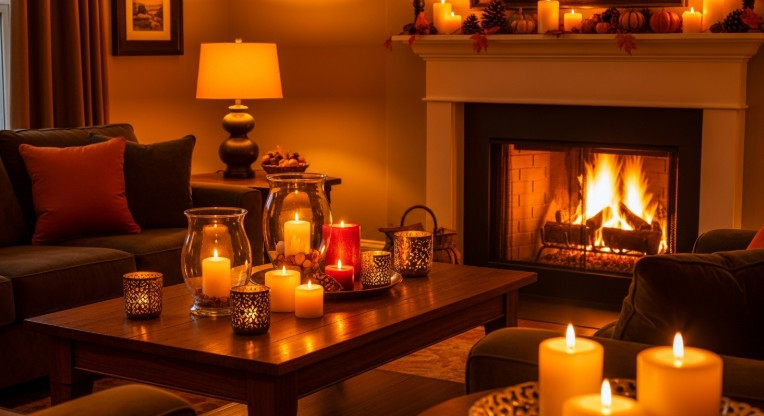
Photo Credit: HanorDecor.com
As the Evenings Arrive Earlier
Before modern electric lighting, controlling light was a fundamental part of domestic life planning. Shutters, curtains, blinds, screens, and architectural openings help regulate light, heat, privacy, and airflow.
As evening approaches earlier this time of year, lighting becomes particularly important. Designers can use different ways to create places people want to occupy when daylight disappears, such as: layered lighting, table lamps, wall sconces, concealed lighting, dimmers, candlelight, and illuminated architectural features.
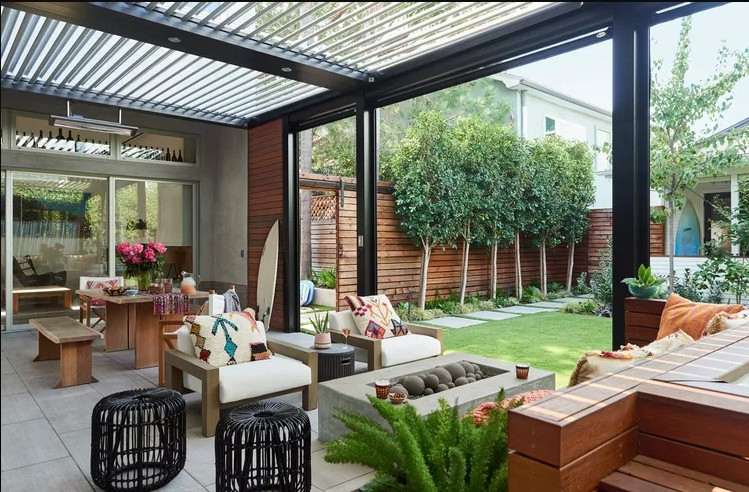
Photo Credit: Dominique Vorillon (bhg.com)
Invite Them to Linger
While patios, outdoor kitchens, and picnic tables are still used during this transitional phase, entice them back to the dining area and help them want to linger. How? Use controllable lighting, seasonal sounds/acoustics, comfortable chairs, proximity to the kitchen for a quick beverage refresh or another dessert, and relaxing views to watch the evening arrive and descend into darkness to see the stars. Create an environment where conversation flows easily.
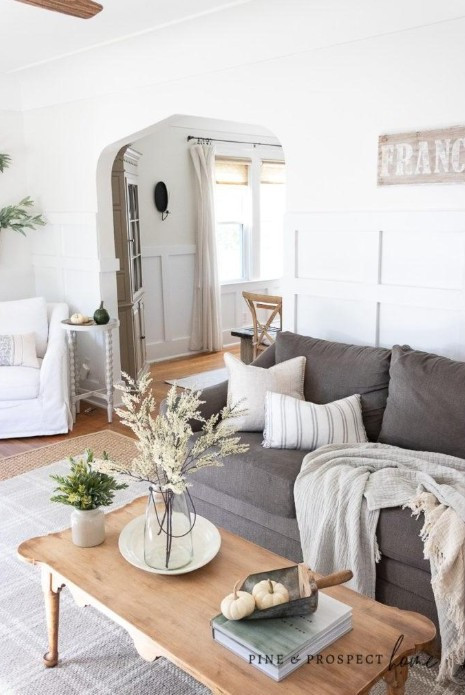
Photo Credit: Pine & Prospect Home
What Happens When We Come Back Inside?
Once people begin to feel the strong urge to come back inside, designers can create interiors that support their need. What will they want to do next? Not what they did last season - something new and different. Designers might focus on rearranging the seating, changing light levels, creating smaller gathering areas, introducing rich tactile materials, creating places for lingering. When the weather changes, what spaces become more important?
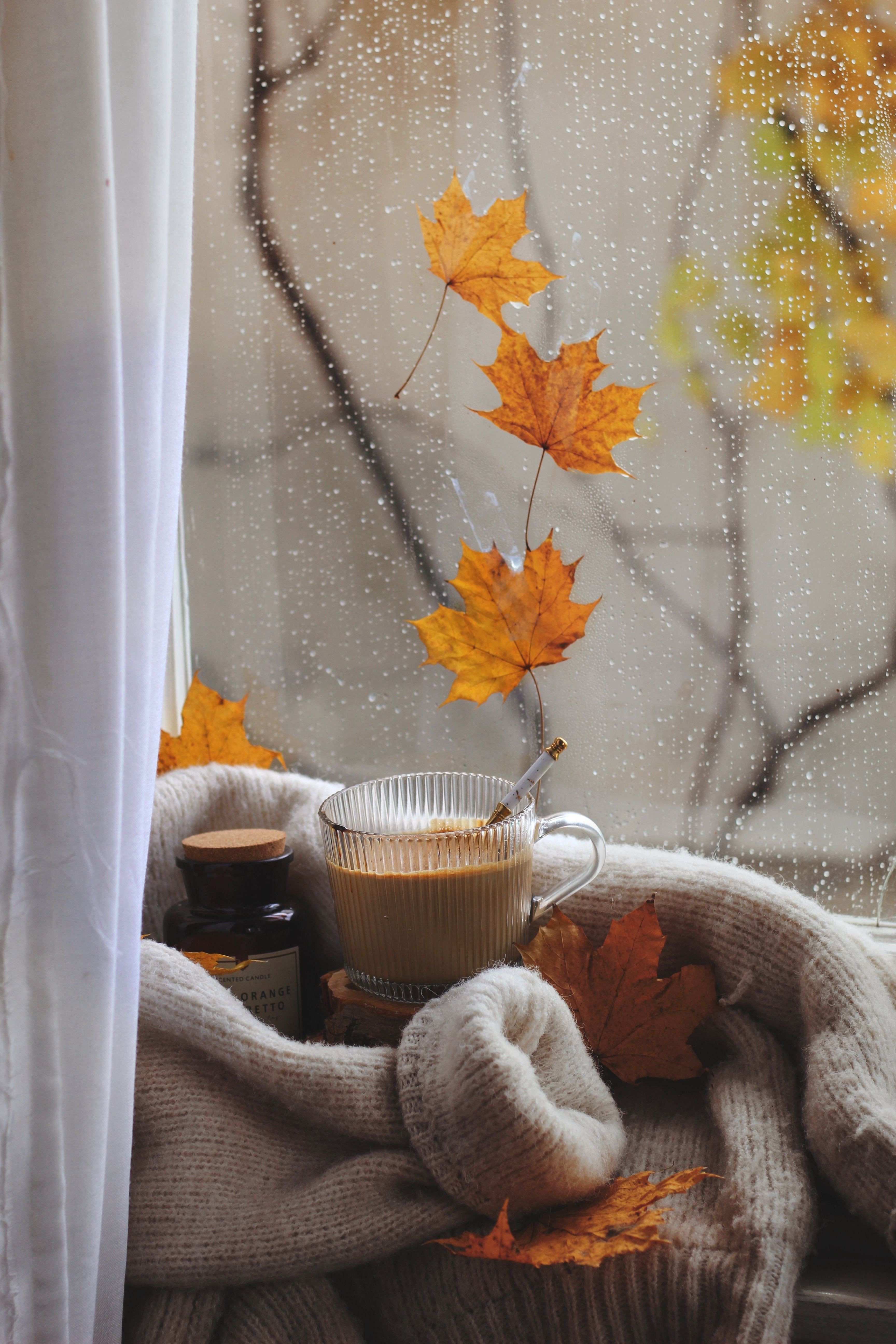
Photo Credit: Ioana Motoc (pexels.com)
The Pull of Refuge
During this time of transition, the leaves haven’t necessarily changed color and fallen off the trees. The calendar still says summer and some days it feels like it. But we’re beginning to feel the pull of refuge.
Good interior design doesn’t simply give us beautiful places to look at. It gives us places to live differently.