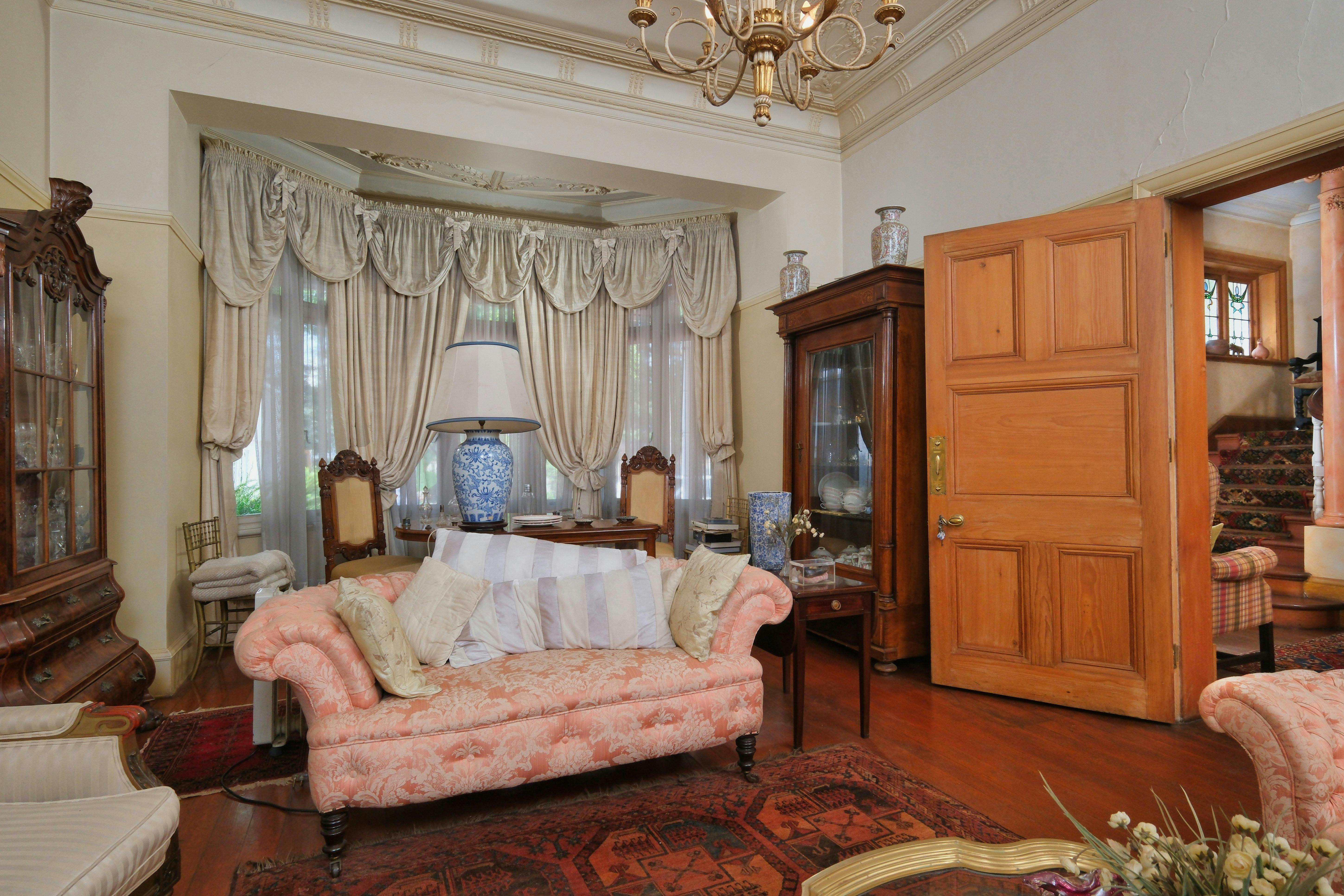
Photo credit - Alexander F Ungerer
Introduction: The Ladies’ Parlor – An Emotional Refuge in Domestic Design
During the nineteenth century, the ladies’ parlor emerged as one of the most emotionally expressive rooms within the domestic interior. While formal parlors often functioned as spaces for public presentation and social ceremony, the ladies’ parlor occupied a softer and more intimate role. It was designed for conversation, reading, embroidery, music, letter writing, and quiet social interaction. More importantly, it reflected an evolving cultural understanding that interior environments could actively shape emotional well-being.
Within many middle- and upper-class homes, the ladies’ parlor became a retreat from the rigidity and noise of public life. The Industrial Revolution transformed cities into increasingly crowded, mechanical, and fast-paced environments. Against this backdrop, domestic interiors grew more layered, decorative, and psychologically comforting. The ladies’ parlor represented a deliberate contrast to industrial harshness. It prioritized softness over efficiency and emotional ease over strict functionality.
Rather than serving as a purely ornamental room, the ladies’ parlor embodied the Victorian ideal of cultivated comfort. Every detail—from upholstery to lighting—contributed to an atmosphere intended to calm the mind and encourage meaningful interaction. Although the room emerged from a particular historical moment, many of its underlying design principles continue to influence interiors today.
Design Lesson
The enduring appeal of the ladies’ parlor demonstrates that emotionally restorative interiors are rarely accidental. Comfort is often achieved through intentional layering, sensory warmth, and spatial intimacy rather than minimal efficiency alone.
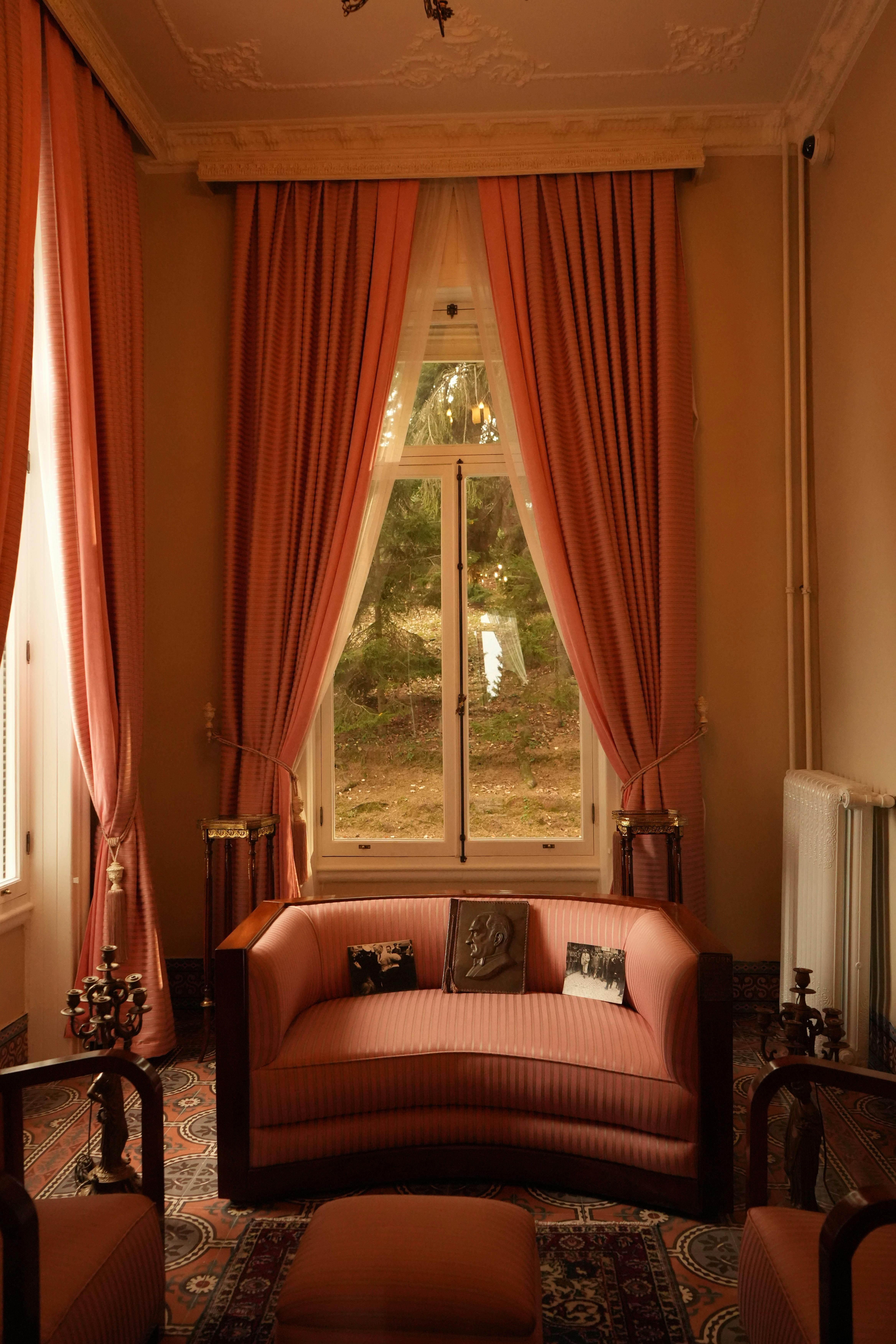
Photo Credit - Kader Azra Namuslu
Creating Emotional Warmth Through Texture and Layering
One of the defining characteristics of the ladies’ parlor was its rich visual layering. Victorian interiors embraced abundance, and the ladies’ parlor often featured upholstered seating, tasseled drapery, patterned wallpaper, decorative rugs, embroidered textiles, and collections of personal objects. To modern eyes, these rooms can appear visually dense, yet their complexity served an important emotional function.
Layered interiors create psychological softness. Textiles absorb sound, soften architectural edges, and visually reduce the severity of a space. In the nineteenth century, these details helped transform rooms into environments that felt insulated from the outside world. Warm fabrics and decorative surfaces created a sense of enclosure and protection that many households associated with civility and refinement.
The popularity of upholstered furniture also reflected changing attitudes toward comfort. Earlier interiors often prioritized rigid formality, but Victorian design increasingly embraced physical ease. Deep chairs, curved sofas, footstools, and cushions encouraged longer periods of conversation and relaxation. The room was not simply meant to impress visitors; it was meant to support emotional and social experience.
Today, contemporary interiors frequently revisit these same instincts through layered organic textures, vintage furnishings, and warm tonal palettes. Even within modern minimalist spaces, designers often introduce tactile materials to avoid emotional sterility. The Victorian ladies’ parlor reveals that texture has long functioned as a form of psychological architecture.
Design Lesson
Texture contributes to emotional perception as much as visual aesthetics. Rooms feel more welcoming when materials soften sound, invite touch, and create visual depth that supports relaxation.
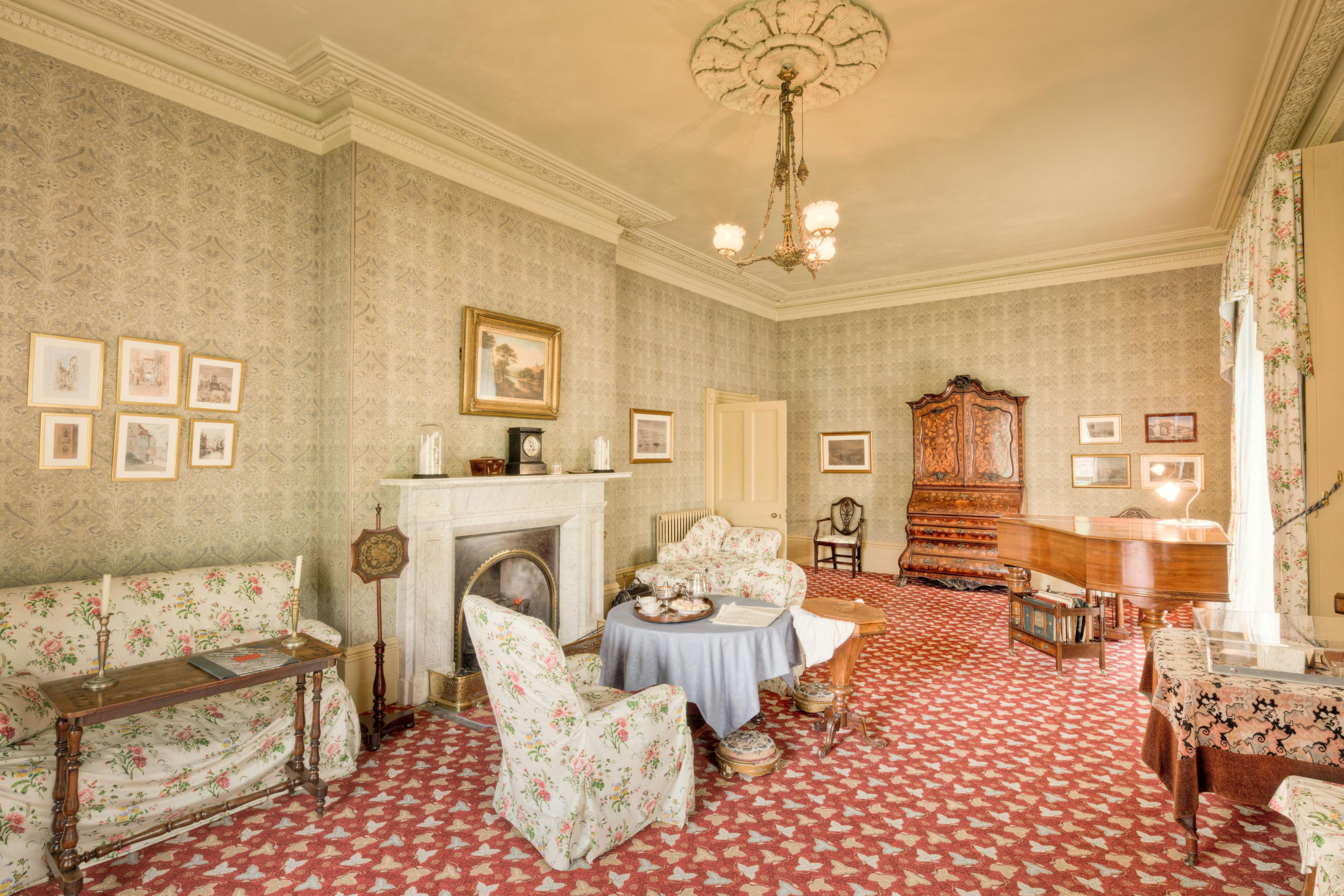
Photo Credit - Michael D Beckwith
Furniture Arrangement and the Psychology of Conversation
Unlike large formal reception rooms designed for spectacle, ladies’ parlors often emphasized smaller conversational groupings. Furniture was arranged to encourage face-to-face interaction rather than distant observation. Chairs were frequently positioned around fireplaces, tea tables, or musical instruments, reinforcing the room’s role as a setting for social intimacy.
This arrangement reflected broader Victorian social rituals. Calling visits, tea service, reading aloud, music performances, and handcraft activities all required environments that supported sustained interaction. The architecture of the room therefore reinforced social behavior. Smaller furniture clusters reduced psychological distance between occupants and encouraged longer, more meaningful exchanges.
The scale of many ladies’ parlors also contributed to their emotional effect. Smaller rooms often feel safer and more personal than large open interiors. Lower ceilings, heavy drapery, and enclosed seating arrangements created a sense of shelter that contrasted sharply with the increasingly public and commercial nature of urban life outside the home.
Modern residential design continues to rediscover these principles. Open-concept interiors often struggle to foster intimacy because they prioritize visual openness over conversational comfort. In response, many contemporary designers now create smaller “zones” within larger spaces using rugs, lighting, shelving, or grouped seating to recreate feelings of enclosure and connection.
Design Lesson
Furniture placement shapes social behavior. Intimate seating arrangements encourage conversation, emotional connection, and longer periods of comfortable interaction.
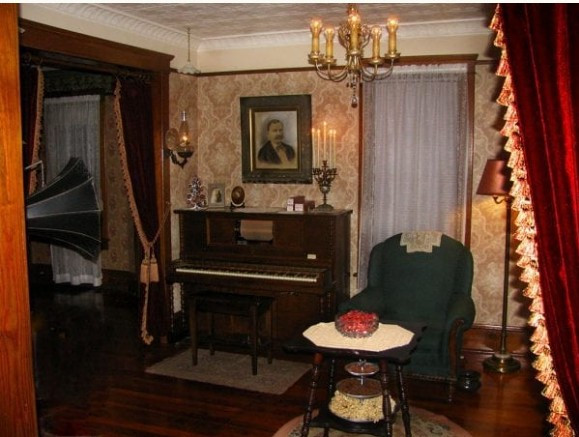
Photo Credit - OldHouseGuy.com
Decorative Arts and the Cultivation of Identity
The ladies’ parlor also served as a space for displaying refinement, education, and artistic cultivation. Decorative objects carried symbolic meaning within Victorian households. Porcelain figurines, framed artwork, floral arrangements, books, and handcrafted textiles reflected both personal taste and cultural aspiration.
Music played a particularly important role in many parlors. Pianos were often central features within the room, representing accomplishment, sophistication, and domestic accomplishment. Similarly, embroidery and other decorative arts demonstrated patience, skill, and moral discipline according to Victorian social values.
Yet beyond social performance, these objects also contributed to emotional atmosphere. Personal collections humanize interiors. They create narrative depth and reinforce feelings of continuity, memory, and belonging. The ladies’ parlor was rarely anonymous. It reflected the identities and aspirations of those who inhabited it.
Contemporary interiors increasingly embrace this same desire for personalization after years of highly standardized minimalist aesthetics. Designers and homeowners alike now seek spaces that feel collected rather than staged. Vintage objects, inherited furnishings, books, ceramics, and handmade items often provide emotional resonance that purely decorative interiors lack.
Design Lesson
Personal objects create emotional continuity within interiors. Rooms feel more authentic and emotionally engaging when they reflect memory, creativity, and individual identity.
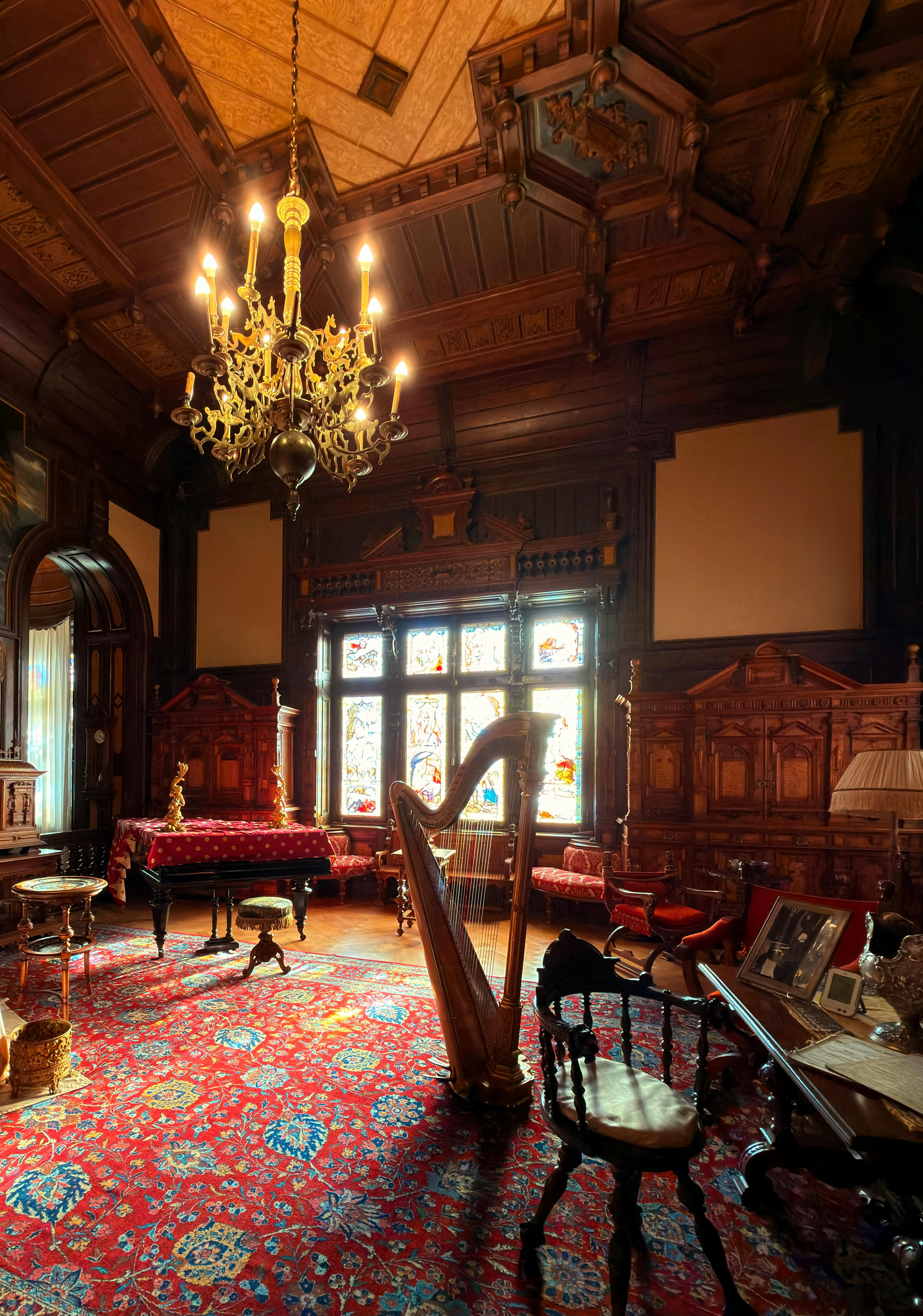
Photo Credit - Pexels User
Lighting, Atmosphere, and the Art of Retreat
Lighting was central to the emotional character of the ladies’ parlor. Before widespread electrification, interiors relied heavily on daylight, gaslight, candles, and oil lamps. This naturally produced softer and more localized illumination than many modern interiors.
Victorian parlors often featured layered lighting sources that created pools of warmth rather than uniform brightness. Lampshades, fireplaces, mirrors, and reflective decorative surfaces all contributed to a glowing atmosphere that emphasized comfort and intimacy. Evening gatherings within these spaces would have felt dramatically different from the brightly lit interiors common today.
The psychological effect of low, warm lighting remains remarkably consistent across time periods. Soft illumination encourages relaxation, slows visual stimulation, and creates a sense of emotional enclosure. In many ways, contemporary hospitality design—from boutique hotels to upscale lounges—still draws heavily from the atmospheric principles perfected within nineteenth-century parlors.
The ladies’ parlor also reflected an early understanding of retreat as a domestic necessity. It acknowledged that individuals benefit from environments that support restoration rather than constant productivity. This concept feels especially relevant today as homes increasingly function simultaneously as workplaces, entertainment centers, and social hubs.
Design Lesson
Lighting strongly influences emotional perception. Warm, layered illumination creates interiors that feel calmer, more intimate, and psychologically restorative.
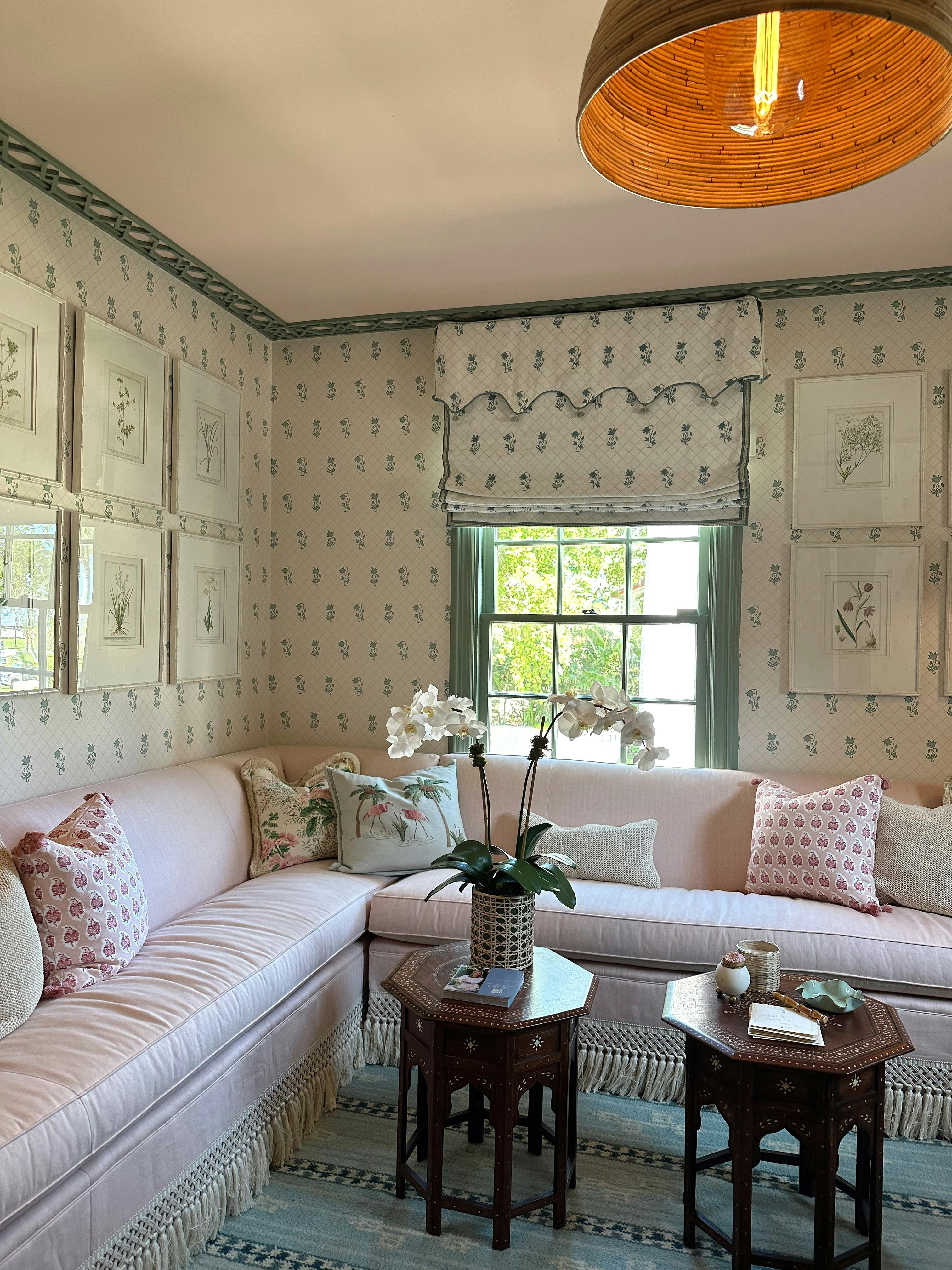
Photo Credit - Sarah O'Shea
The Enduring Legacy of the Ladies’ Parlor
Although the formal ladies’ parlor largely disappeared during the twentieth century, its emotional and spatial influence continues to shape contemporary interiors. Modern reading nooks, sitting rooms, wellness spaces, boutique hotel lounges, and “cozy corner” design trends all echo the parlor’s emphasis on comfort and retreat.
The resurgence of interest in layered interiors and emotionally intelligent design suggests that many people continue to crave spaces that offer sensory relief from overstimulation. As digital technology accelerates the pace of daily life, the desire for restorative domestic environments becomes increasingly significant.
The ladies’ parlor reminds us that beauty and comfort are not opposing forces. Historically, some of the most memorable interiors succeeded precisely because they balanced visual richness with emotional ease. These rooms were not merely decorative showcases; they were carefully composed environments intended to support conversation, reflection, hospitality, and psychological restoration.
In many respects, the lasting relevance of the ladies’ parlor lies in its understanding that homes function not only as shelters, but also as emotional landscapes. The atmosphere of a room can influence how people feel, interact, and recover from the pressures of the outside world. That insight remains just as meaningful today as it was during the Victorian era.
Design Lesson
The most enduring interiors support emotional well-being alongside visual beauty. Spaces become timeless when they foster comfort, connection, and psychological refuge.