
Photo Credit: Kadir Avşar (pexels.com)
The Alchemy of the Second Act: Discovering New Possibilities in Unexpected Places.
As we learn and grow as Interior Designers, we are in essence creating our second acts – or third, or fourth.
Every space has the same potential. The options are limited only by our imaginations. And a space’s second act doesn’t have to erase its first story. Instead, you can help it deliberately carry part of that story forward.

Photo Credit: Regan Dsouza (pexels.com)
Transformation is possible
The enormous Baths of Diocletian in Rome were constructed beginning around 298 CE and completed in the early fourth century. These monumental public baths were capable of serving thousands of people. While, the baths eventually fell into disuse, centuries later, portions of this complex were given an entirely different purpose.
In the 16th century, Michelangelo was commissioned to transform part of the ruins into the Basilica of Santa Maria degli Angeli e dei Martiri – a place of worship.
The designers did not demolish the building and build a church on the site. They designed something different within the structure of what already existed. The original space became part of the new experience. Old school houses have been turned into homes.
And you may remember a successful television show in the 1980s where the main character, a private detective, lived in a fire station.
However, the canvas doesn’t have to be that big. The second act is more about seeing the possibility in something that already exists. Interior Designers can recognize what is already remarkable about the space and give it another life.
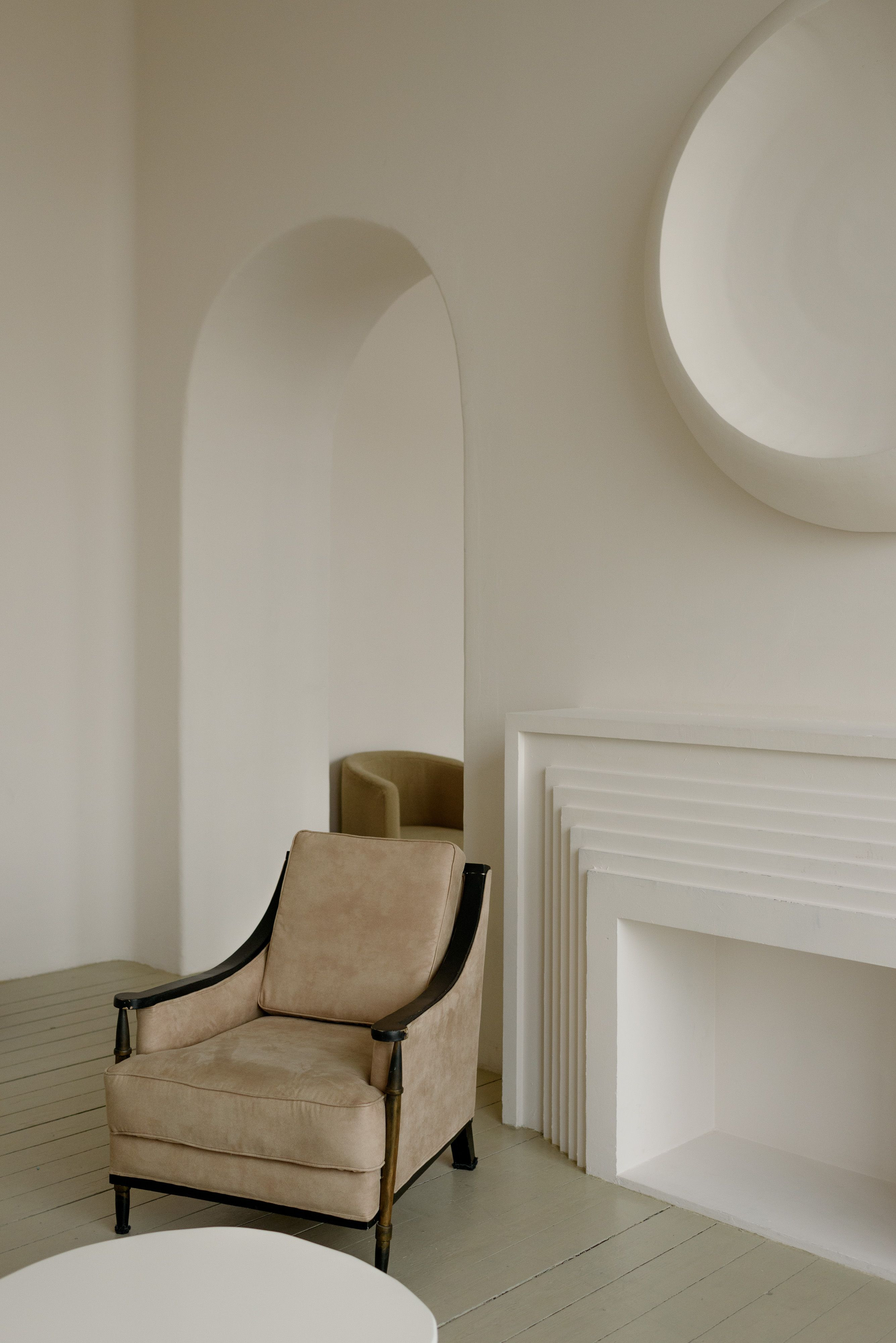
Photo Credit: Ksenia Chernaya (pexels.com)
This Space has Another Story to Tell
The same creativity and being open to new ideas exists inside ordinary spaces. You can recognize what is already remarkable – and give it another try.
Some possible options that may be full of possibility.
An unused dining room
A forgotten formal living room
A basement that has become storage
A too-large bedroom
A narrow hallway
A former nursery
A spare bedroom no one uses
A screened porch that has become a place for forgotten furniture
The next great design opportunity may already exist inside a home. We simply haven’t learned – or taken the time to slow down and see it differently.
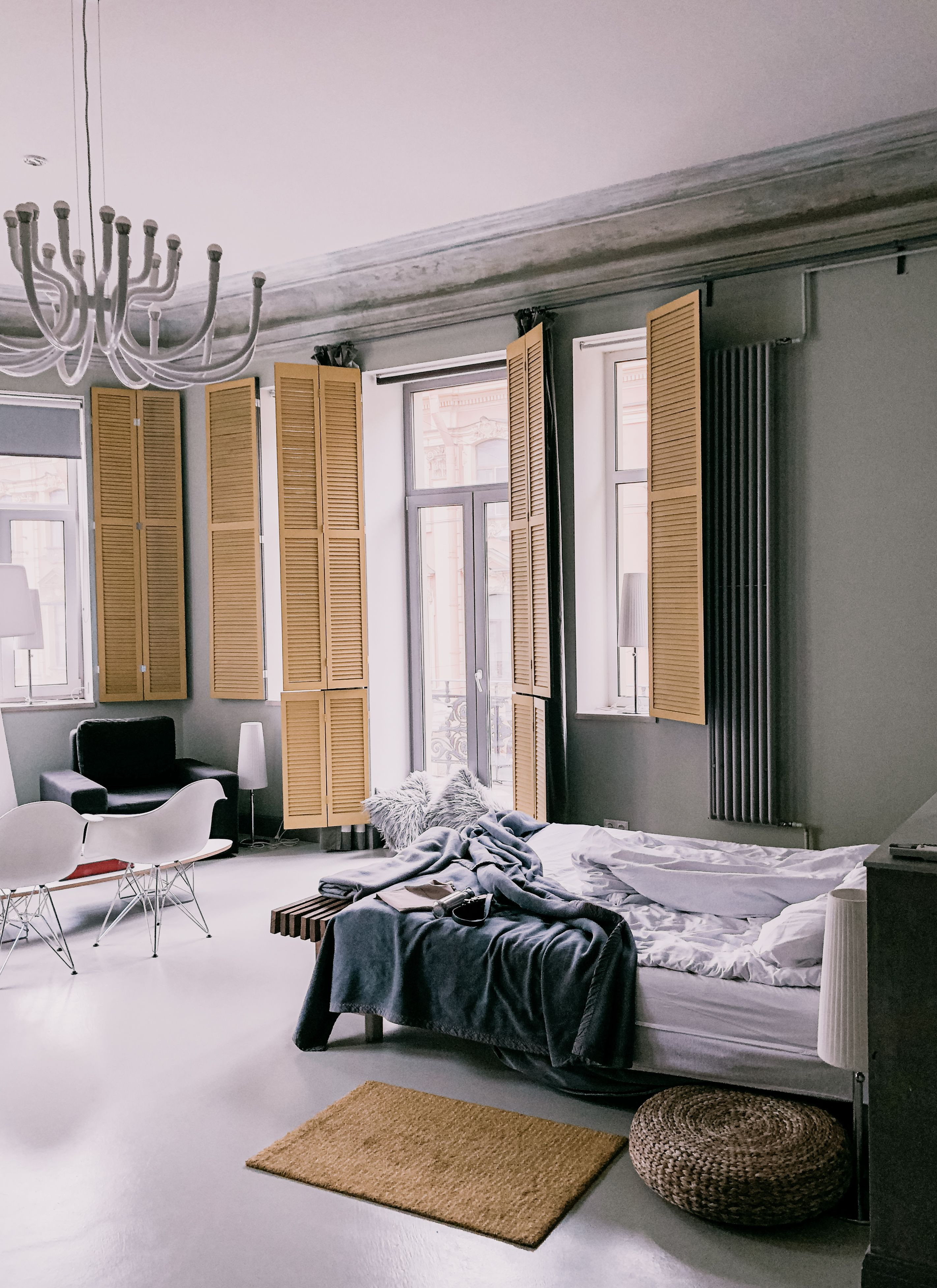
Photo Credit: La Miko (pexels.com)
Every Room Can Have a Second Act
We, as humans, sometimes get stuck in our ways and in our comfort zones. Rooms and spaces are sometimes subject to the same, as they were originally designed for particular times in our lives.
The dining room hosts family dinners
The nursery welcomes a baby
The home office supports a career
The guest room welcomes visitors
The playroom belongs to the children
Time tends to move on without us noticing. Before we know it the rooms have become obsolete and we don’t mind because of the comfort they bring us and the memories associated with them.
A normal question might be, “How can we update this room?”
But what if we ask the question, “What does this room need to become now?”
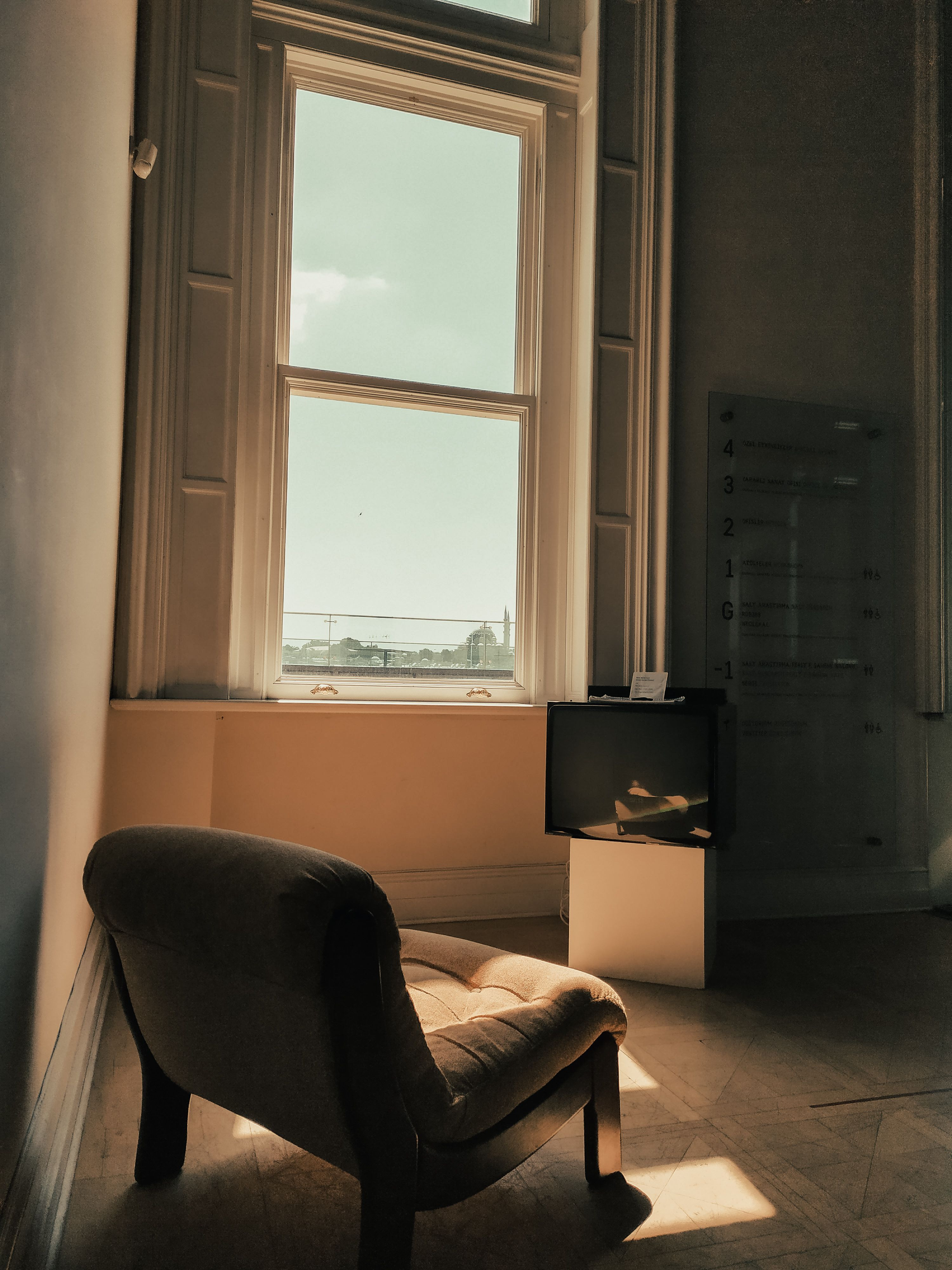
Photo Credit: Osman Özümüt (pexels.com)
The Unexpected Room
An unexpected room isn’t necessarily an unused room. It’s a room whose next purpose might not be immediately obvious.
The formal dining room that is used only on holidays or special occasions
The living room that serves only as a shortcut
The bedroom that is empty since the child has left home
The guest room that is rarely – if ever used
The awkward attic
The narrow sunroom
The underused porch
The space beneath a staircase
Take the time to look at familiar spaces with new eyes. If the house was for sale, what would possible buyers see that you aren’t?
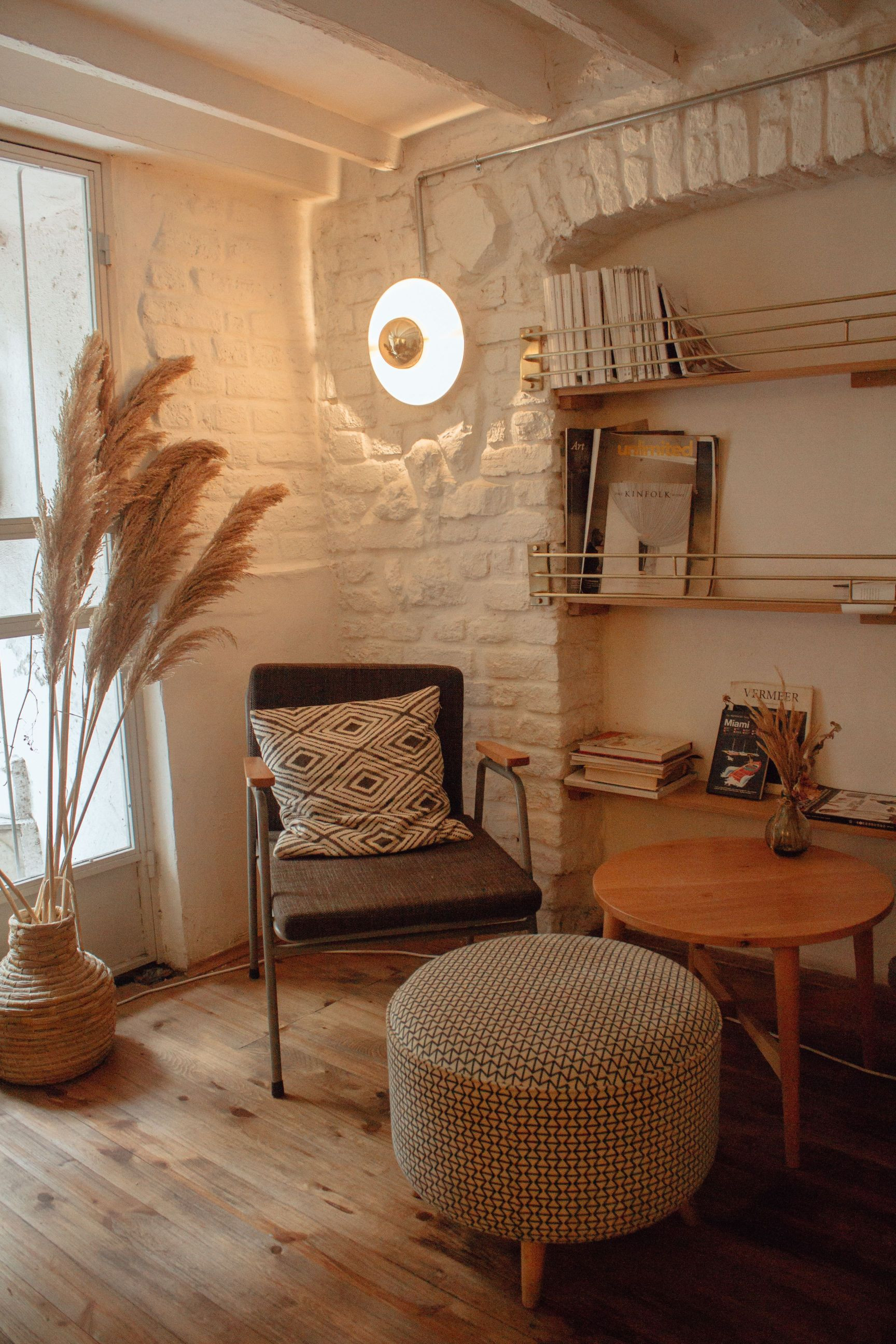
Photo Credit: Emre Can Acer (pexels.com)
Look Before You Replace
Before beginning your project, ask yourself this question, “What does this room already provide?”
A beautiful window
An unusual ceiling
A deep sill
An old fireplace
A surprising amount of natural light
A wonderful view
A slightly odd proportion
A tiny alcove
An architectural detail that has – until now – been overlooked
Instead of asking, “How could I fix this?” ask yourself instead, “What is this room trying to provide?”
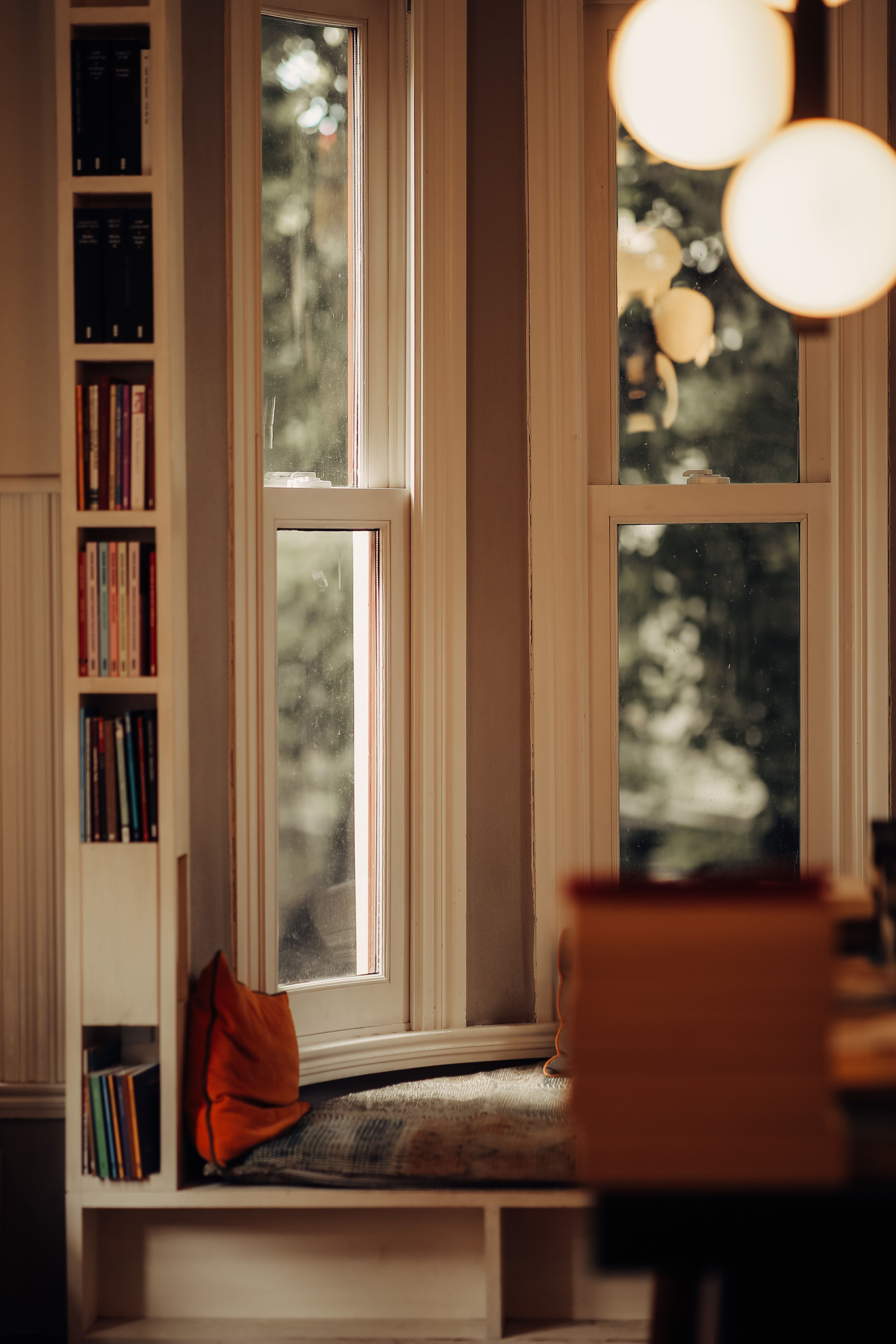
Photo Credit: Leyla Kılıç (pexels.com)
The Gift of Constraints
A room that is too narrow may become wonderfully intimate
A low ceiling may make a reading room feel cozy
An awkward corner may be the perfect space for a desk
A window in the “wrong” place may determine the space for a favorite chair or place for a design element to showcase the incoming light
A small room may be exactly right for a library, dressing room, meditation space, or listening room.
The limitation may be just the clue you need to bring out the room’s new purpose.
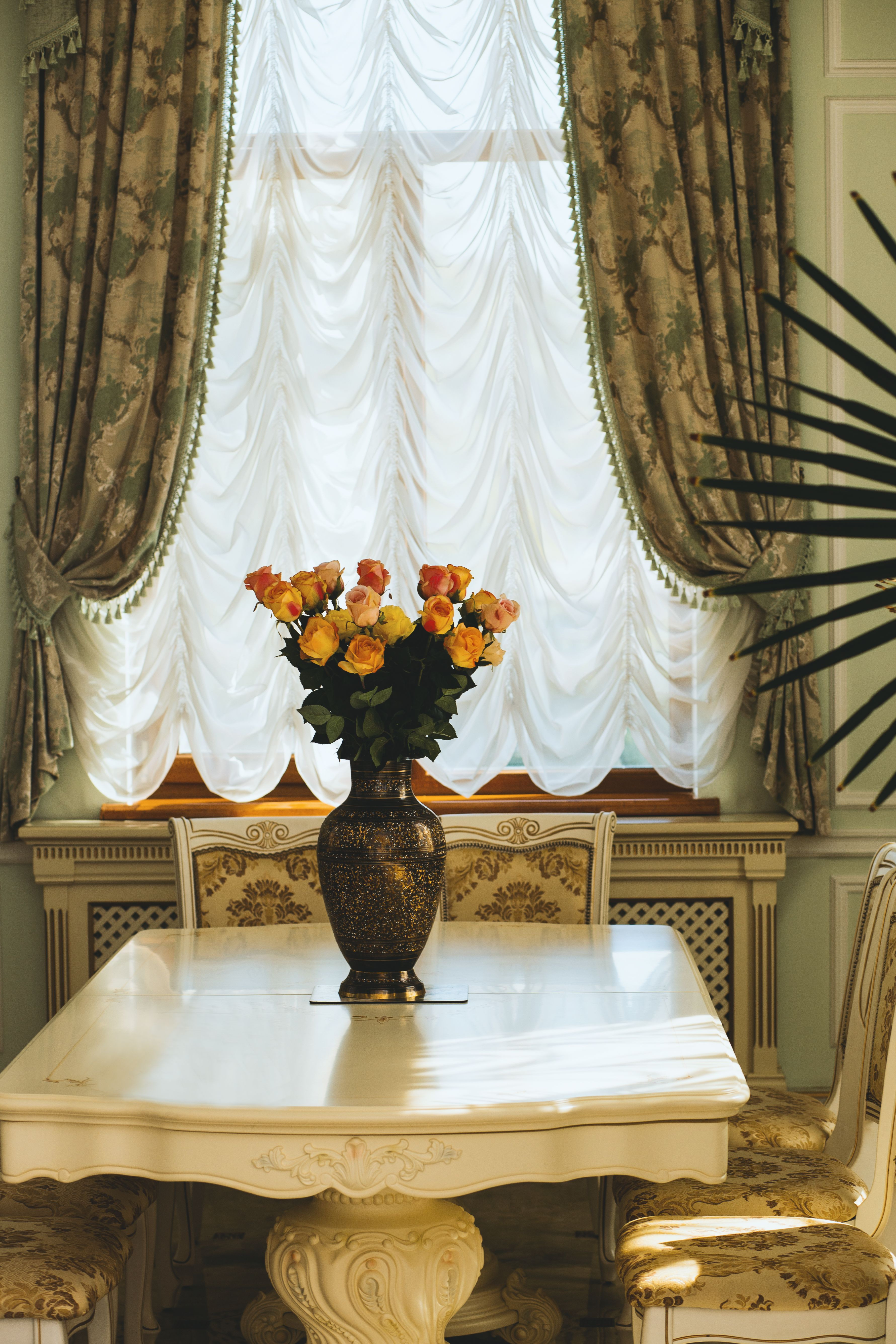
Photo Credit: EVG Kowalievska (pexels.com)
Stop Designing by the Room’s Original Label
Just as we, as humans, do not like be known as a previous iteration of ourselves if we have moved onto a second act, giving the space the room to grow would serve the same purpose.
The original labels of a space may hide new potential.
A guest room with a fireplace might become a refuge
An unused smaller room, might become an analog room to disconnect from our ever expanding electronic world.
A basement might become a hobby room, an exercise space, or a gathering space
The question isn’t “What is this space supposed to be?” rather it is “What does the person living need from this space?”
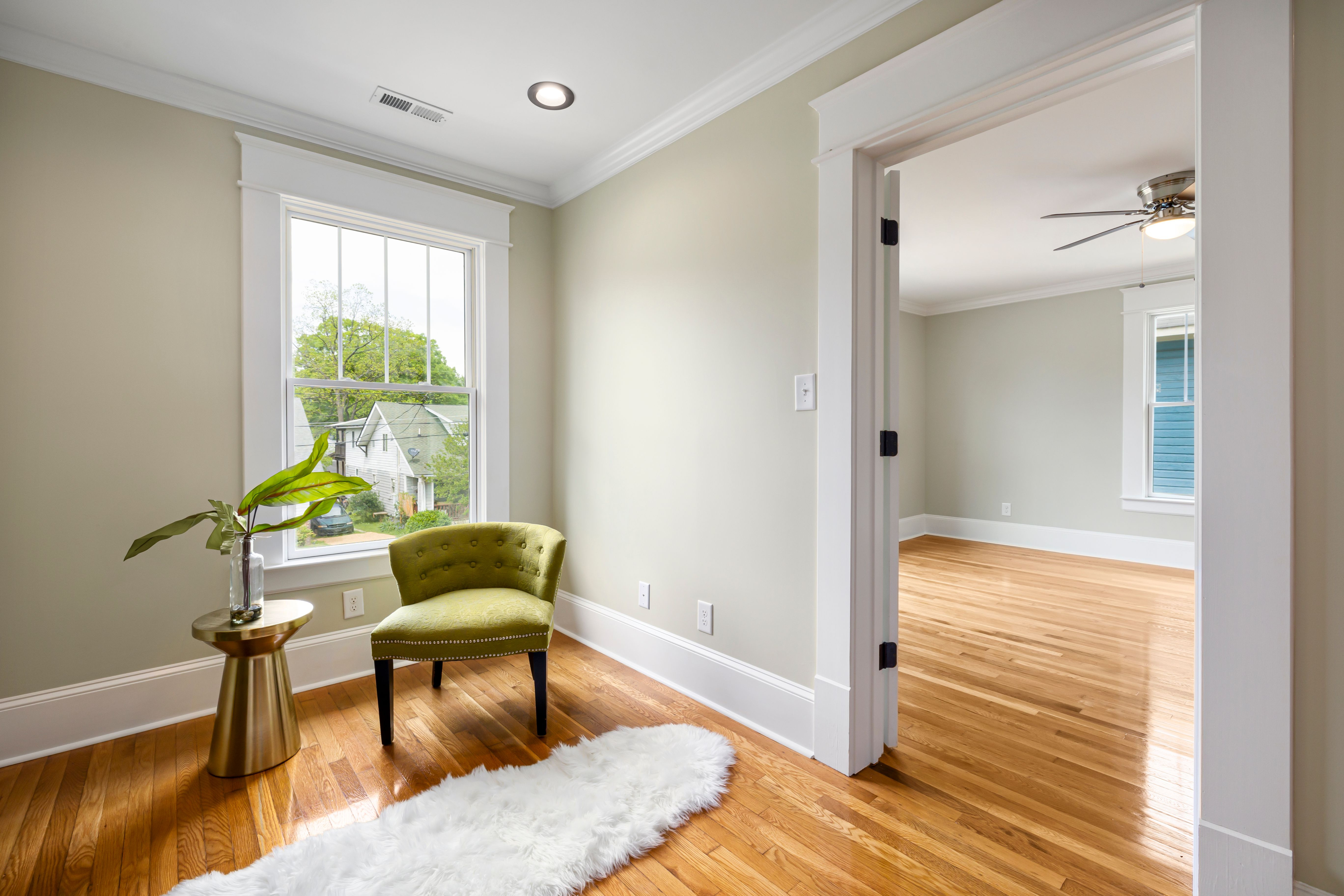
Photo Credit: Curtis Adams (pexels.com)
The Designer as Detective
When creating a second act for a space, a designer, is also a detective.
What was this space’s original purpose?
What architectural features are already here that I can incorporate into a new purpose?
What part does natural light play in this room?
What does my client actually need?
Sometimes the most important thing a designer can bring to a space isn’t a new idea, but a new way of looking at it.
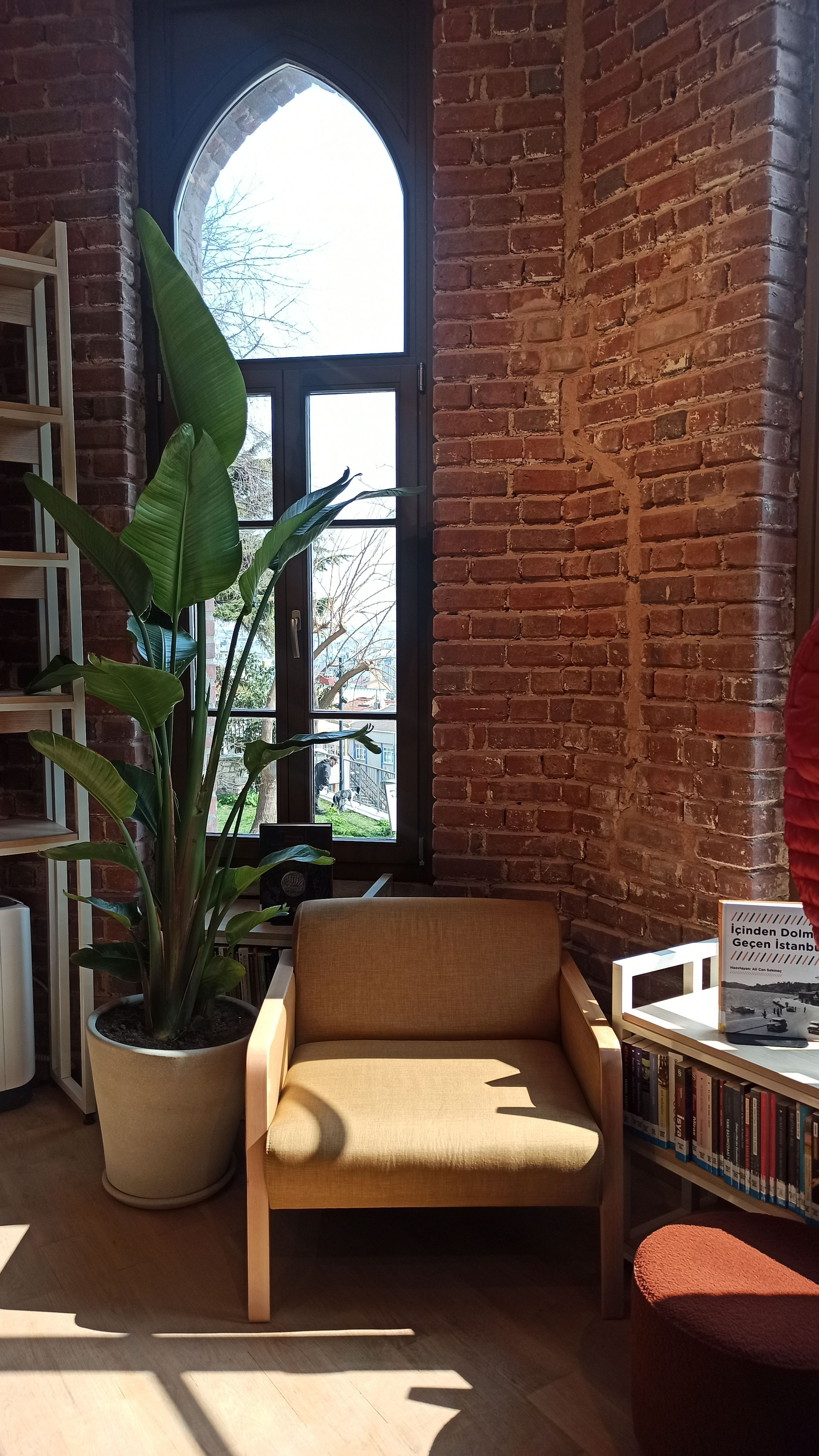
Photo Credit: Betül Ayyıldız (pexels.com)
Not Every Second Act Requires a Renovation
Sometimes the second act comes through different furniture – not necessarily new. Perhaps there is furniture in a different room that has outgrown its usefulness there. Or perhaps there is a family heirloom languishing in an attic or a basement looking for its own second act.
Perhaps new lighting, textiles, color or art will help bring the space to life.
Or simply providing the opportunity to change the way a space is occupied will be enough by asking, “Where do people naturally gravitate and when?”
Rooms and spaces can change according to how we live gather, retreat, as we move through the seasons.
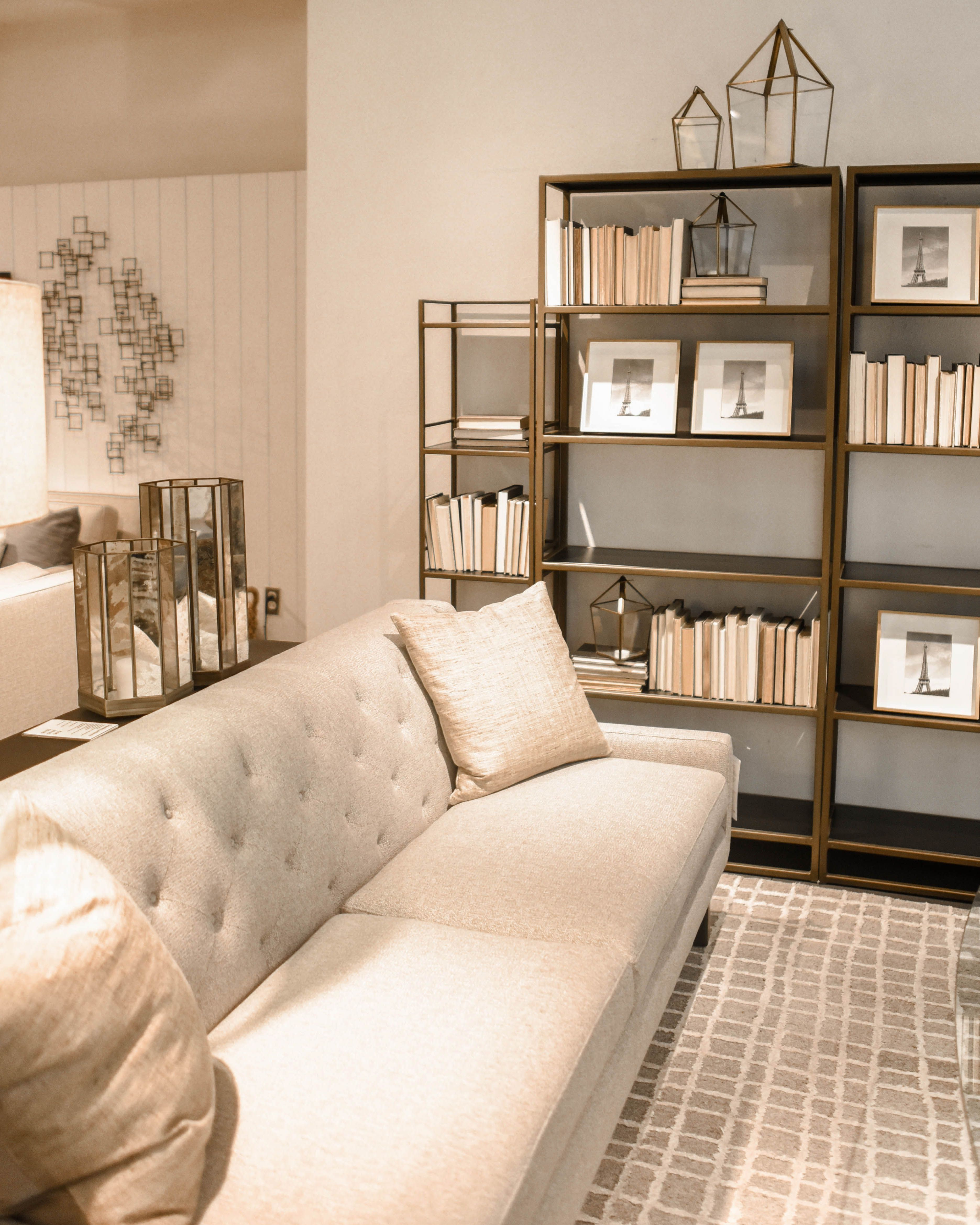
Photo Credit: Element5 Digital (pexels.com)
The Second Act Can Be Quiet
Not every second act needs to be dramatic.
Sometimes it can be as simple as…
A room that finally gets used
A corner that finally has purpose
A forgotten architectural detail that becomes a focal point
A space that feels intimate instead of awkward
A room that finally reflects the person that lives here in this stage of their life
The idea of the transformation is not to impress. It needs only to make the space more useful, more meaningful, and more deeply connected to the life using it.
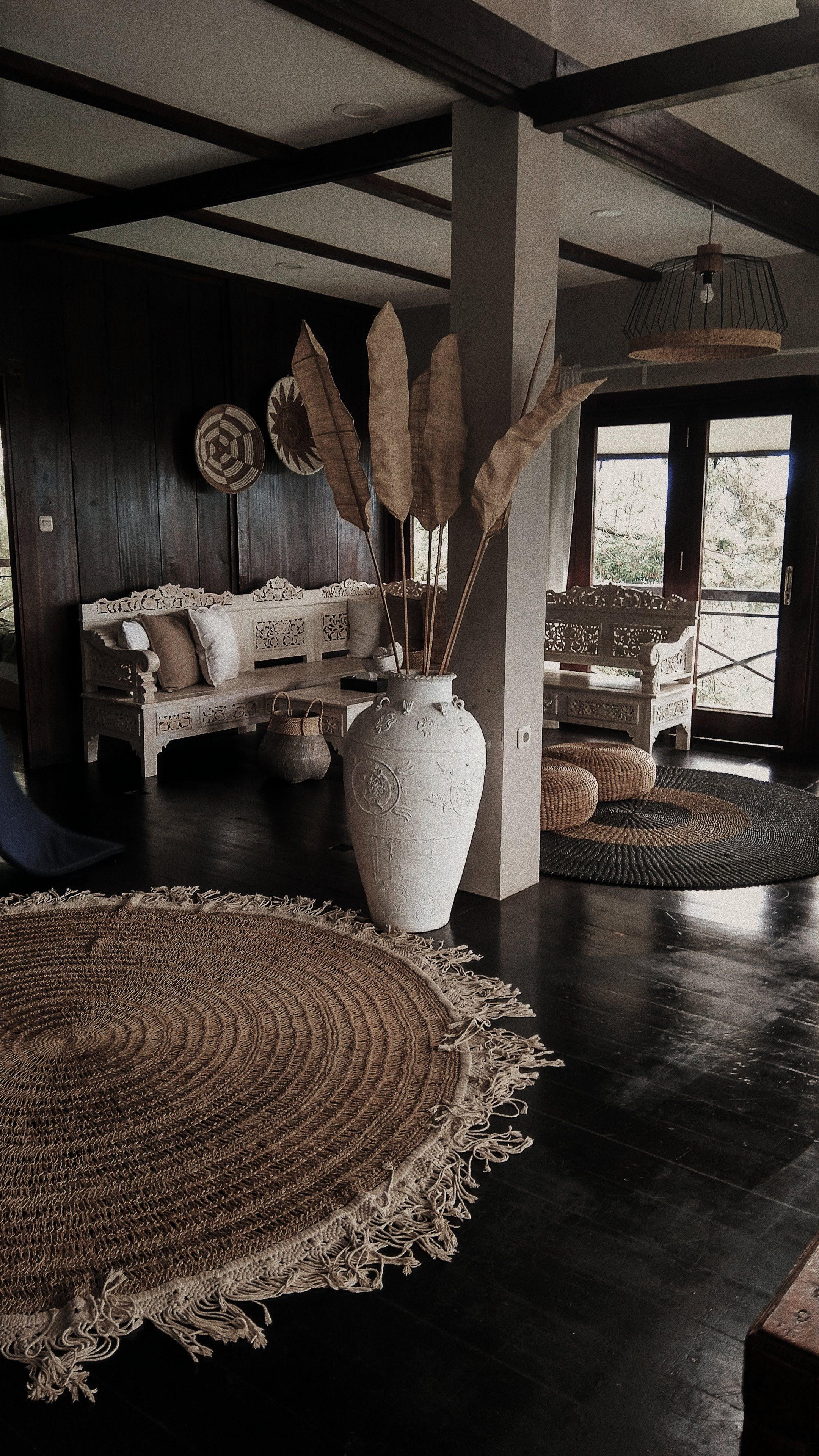
Photo Credit: Selenic Moon (pexels.com)
Conclusion
The question for interior designers to keep in mind during this process might be “What is remarkable about this space and what could it become if I look at it without limits?”
While the space may not at – first glance – appear extraordinary, any space is full of possibilities if you learn and practice the “art of seeing.”