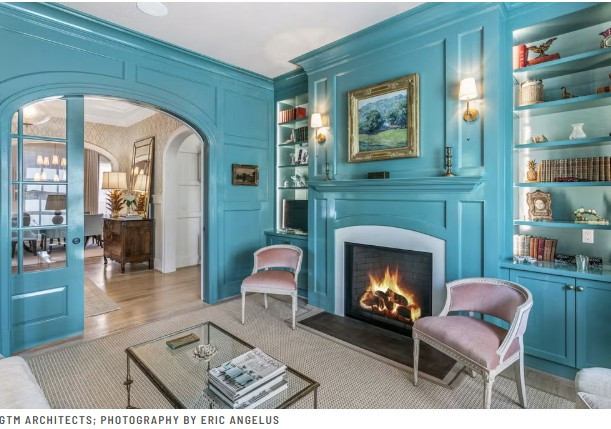
Pocket doors have quietly re-emerged as one of the most practical and design-forward solutions in residential interiors. Once considered a purely utilitarian feature, they are now being reimagined as architectural statements—balancing space efficiency with refined detailing.
They are no longer a niche solution reserved for tight floor plans—they have evolved into a sophisticated architectural tool used across residential, commercial, and public interiors. When thoughtfully specified, they do more than save space; they shape how environments function, feel, and adapt over time.
For homeowners seeking both flexibility and beauty, and for designers aiming to maximize every square inch, pocket doors offer a compelling opportunity to design smarter without sacrificing style. They present a unique intersection of performance and artistry—where spatial efficiency meets material expression.
Design Lesson: The best space-saving solution is the one that also elevates the design narrative.
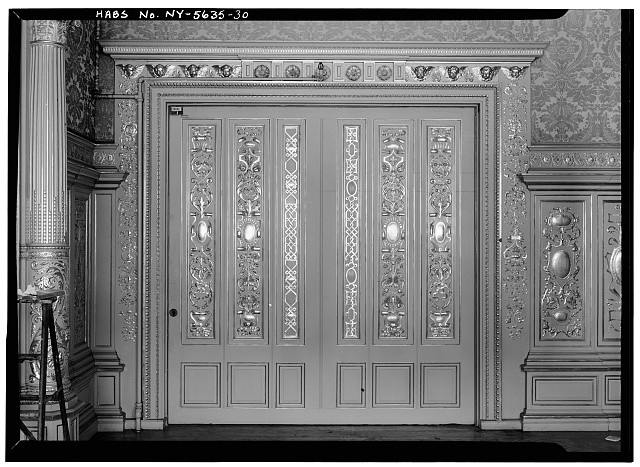
Library of Congress - Music Room Villard House New York, NY
Historical Context: From Victorian Innovation to Modern Precision
Pocket doors emerged as a defining feature of 19th-century interiors, particularly in Victorian and Edwardian homes. These spaces valued both grandeur and flexibility, and pocket doors allowed rooms to transform based on occasion.
Large, double-leaf pocket doors often separated parlors, dining rooms, and libraries—offering homeowners the ability to host expansive gatherings or create intimate, enclosed environments.
In many cases, these doors featured etched or stained glass, rich wood species, and detailed millwork—elements that signaled craftsmanship and status.
As modernism introduced open plans and simplified forms, pocket doors temporarily faded. Today, however, advancements in hardware, track systems, and construction methods have reintroduced them as high-performance design elements.
Design Lesson: What was once a decorative convenience is now a strategic architectural decision.
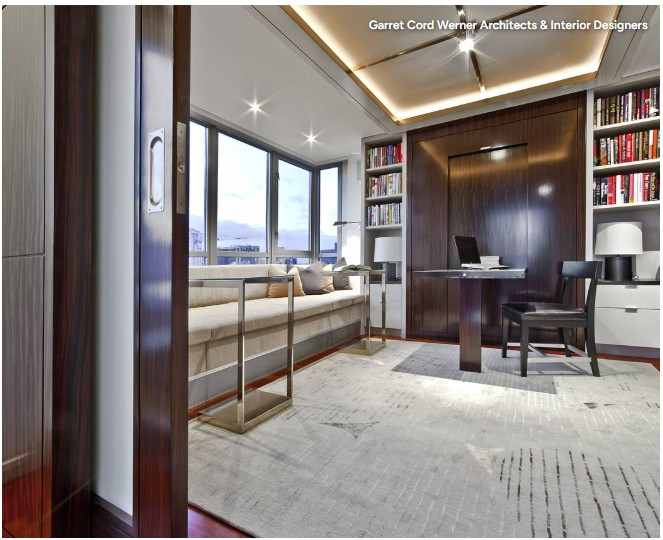
Why Pocket Doors Matter in Contemporary Design
Modern living demands flexibility. Open plans are still popular, and homeowners increasingly want the ability to create privacy when needed—whether for remote work, multigenerational living, or simply a quieter moment.
The current design landscape is defined by duality - openness and privacy, collaboration and separation, beauty and performance. Pocket doors uniquely support all of these.
They allow designers to...
Create adaptive spaces without increasing square footage
Maintain clean sightlines and architectural continuity
Introduce moments of reveal and concealment
Enhance user control over environment and experience
Pocket doors answer these needs in a way traditional hinged doors cannot.
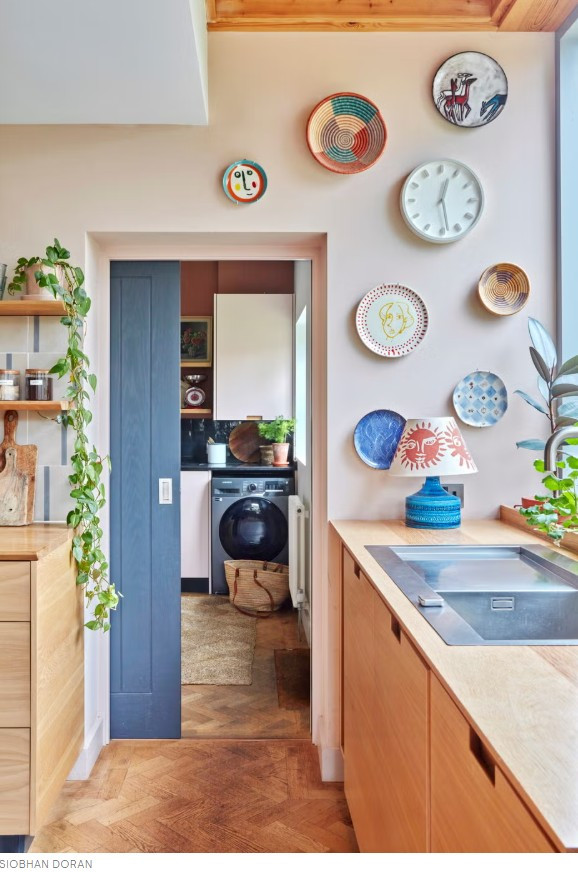
They eliminate the swing radius required by standard doors, freeing up valuable floor space. This makes them particularly effective in smaller homes, urban environments, and secondary spaces like powder rooms or laundry areas.
Beyond function, pocket doors also contribute to a cleaner visual line. When open, they disappear entirely into the wall, allowing materials, sightlines, and architectural features to take center stage.
In both residential and commercial settings, this flexibility is no longer a luxury—it’s an expectation.
Design Lesson: Flexibility is the new form of luxury in spatial design.
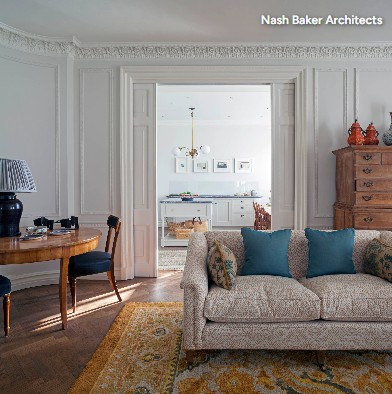
Common Uses for Pocket Doors in Residential Design
Pocket doors are incredibly versatile and can be adapted to a wide range of applications throughout the home.
Space-Saving Solutions in Compact Areas
In bathrooms, closets, and laundry rooms, where every inch matters, pocket doors eliminate clearance issues and improve circulation. This is especially valuable in older homes where layouts are tighter.
Flexible Room Dividers
Pocket doors can subtly divide spaces without making them feel permanently enclosed. Home offices, guest rooms, and dens benefit from this adaptability—open when desired, closed when needed.
Primary Suite Enhancements
Designers often use pocket doors between the bedroom and en suite bathroom to maintain a seamless aesthetic while still providing privacy.
Kitchen Transitions
Pocket doors can close off kitchens to contain noise or odors, while still allowing for an open feel during gatherings.
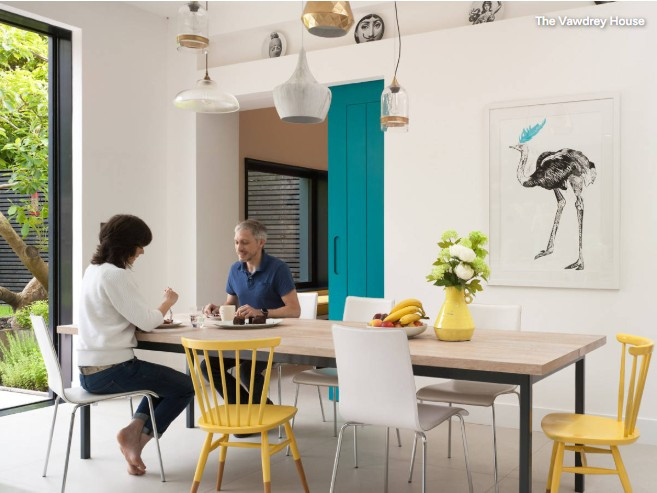
Photo Credit - Houzz.com
Residential Applications - Beyond Space Saving
Layered Living in Open-Concept Homes
Rather than fully abandoning open plans, designers are now softening them. Pocket doors allow spaces to remain visually connected while offering optional separation.
Think living room to dining room transitions, or kitchens that can be closed during meal prep.
Primary Suite Refinement
Pocket doors between sleeping areas, bathrooms, and closets create a seamless flow without interrupting material continuity.
Secondary Spaces with Elevated Function
Laundry rooms, pantries, and mudrooms benefit from pocket doors that reduce visual clutter while improving accessibility.
Aging-in-Place and Universal Design
Pocket doors can support wider clearances and easier operation compared to swing doors, making them valuable in accessible design strategies.
Design Lesson: A well-placed pocket door allows a space to serve multiple roles without compromise.
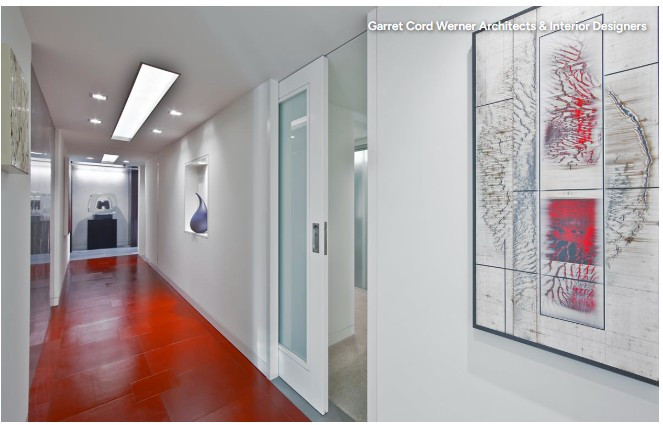
Commercial Applications - Performance Meets Experience
In commercial interiors, pocket doors contribute not only to efficiency but also to user experience and brand expression.
Workplace Design
Conference rooms that open to collaborative zones
Private offices that can expand or contract
Focus rooms that appear and disappear as needed
Hospitality Environments
Guest room flexibility (connecting rooms, suite expansions)
Restaurant private dining areas
Spa treatment rooms requiring both privacy and flow
Retail Spaces
Back-of-house concealment
Flexible merchandising zones
Temporary partitions for events or seasonal displays
Pocket doors allow businesses to reconfigure space without costly renovations—an increasingly valuable advantage.
Design Lesson: In commercial design, adaptability directly impacts long-term value.
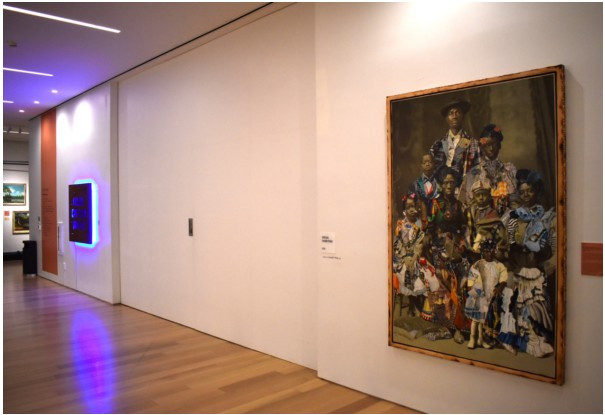
Photo Credit - SingCore.com
Public Space Applications - Flow, Durability, and Human Experience
In public environments, pocket doors must balance aesthetics with durability and code compliance.
Cultural and Civic Buildings
Museums, libraries, and community centers use pocket doors to guide visitor flow while maintaining openness.
Healthcare and Wellness Spaces
Pocket doors can reduce corridor obstruction and improve accessibility in patient rooms and consultation areas.
Education Environments
Flexible classrooms and multi-use spaces benefit from operable partitions, including pocket door systems.
Here, material selection and hardware durability become critical. Heavy-duty tracks, fire-rated assemblies, and acoustic considerations are often required.
Design Lesson: In public spaces, every design decision must serve both people and performance
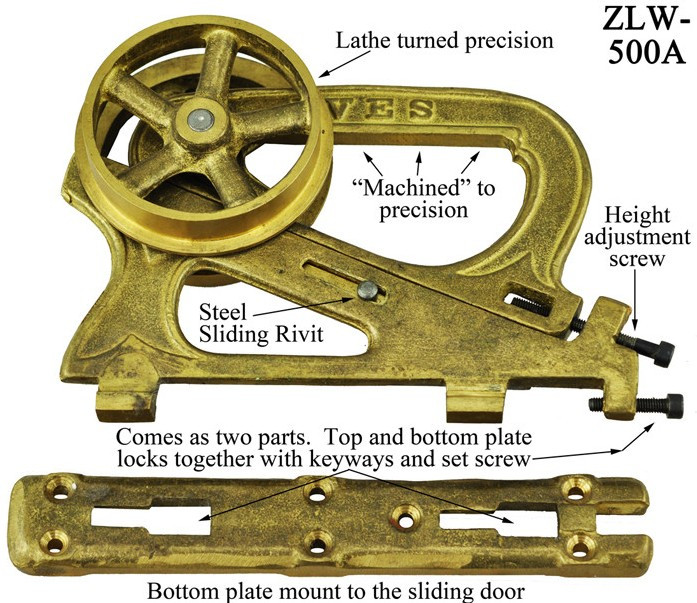
Photo Credit - VintageHardware.com
Design Considerations for Pocket Doors
While pocket doors offer many advantages, thoughtful design is essential to ensure they perform well and look intentional.
Wall Depth and Construction
Pocket doors require sufficient wall cavity space. This means designers must plan early—particularly in remodels—to accommodate framing and hardware.
Hardware Quality
High-quality tracks and rollers are critical. Poor hardware can result in sticking, noise, or misalignment. Soft-close mechanisms are increasingly popular for a more refined user experience.
Door Thickness and Material
Heavier materials such as solid wood or glass require robust support systems. Designers should balance aesthetic goals with structural considerations.
Accessibility and Maintenance
Because pocket doors slide into walls, accessing hardware for repairs can be more complex. Specifying reliable systems upfront helps mitigate long-term issues.
Materiality and Detail: Designing the Door Itself
Pocket doors are not just functional—they are an opportunity for material storytelling.
Wood
Warm, timeless, and versatile. Ideal for residential and hospitality applications.
Glass (Clear, Frosted, Reeded)
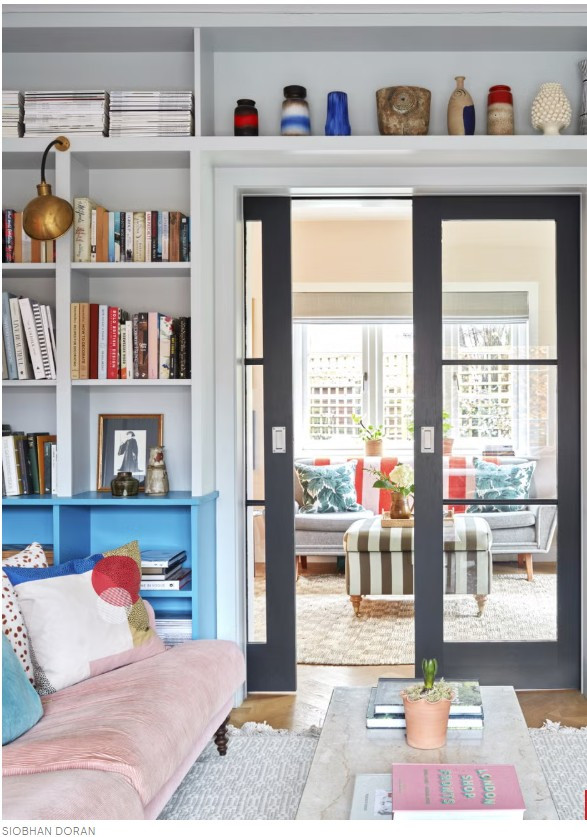
Introduces light while maintaining varying levels of privacy.
Metal and Steel Systems
Common in commercial and industrial-inspired interiors.
Composite and Specialty Materials
Used in high-performance environments requiring durability or code compliance.
Design Lesson: The door is not separate from the design—it is part of the material palette.
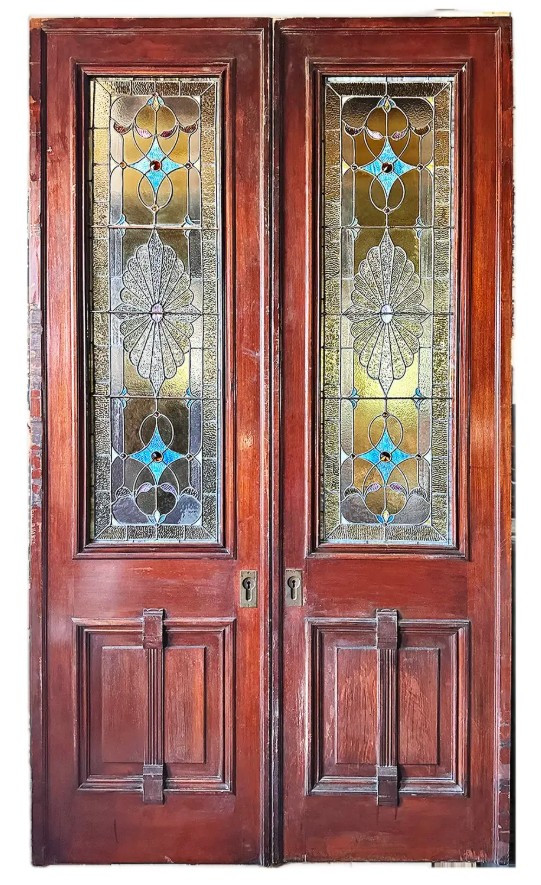
Photo Credit - Chairish.com
Elevating Design with Stained Glass Pocket Doors
One of the most compelling ways to transform a pocket door from functional to extraordinary is through the use of stained glass panels.
Historically rooted in artisan craftsmanship, stained glass introduces color, texture, and light play into interior spaces. When integrated into pocket doors, it offers a unique combination of privacy and illumination.
Why Stained Glass Works So Well
Diffused Light It allows natural light to pass between rooms while maintaining privacy.
Visual Identity Custom glass patterns can reinforce brand, story, or reflect a home’s architectural style – from traditional to contemporary.
Historic Integration or Modern Contrast Works equally well in restoration projects and contemporary interiors seeking character.
Focal Point Creation: Even when partially visible, stained glass pocket doors act as a visual anchor.
Best Applications
Between entryways and living spaces
Separating dining rooms from kitchens
Enhancing hallways with limited natural light
Adding character to historic home renovations
Designers can opt for subtle, neutral-toned glass for a modern look, or more intricate, colorful designs for a traditional or eclectic aesthetic.
Applications Across Sectors
Residential - Entry sequences, dining transitions, hallway light enhancement
Hospitality - Boutique hotels, lounges, signature suites
Public Spaces - Cultural buildings, heritage restorations
Designer Considerations
Coordinate leading patterns with surrounding geometry
Balance color intensity with overall palette
Consider daylight orientation and lighting conditions
Design Lesson: Stained glass transforms a door from a boundary into an experience.
How Interior Designers Can Maximize Pocket Door Impact
Pocket doors are not just space-saving devices—they are strategic design tools. The most successful implementations consider both architecture and lifestyle.
Align with Sightlines
Designers should consider what is visible when the door is open versus closed. A pocket door can frame a view, reveal a feature wall, or conceal less visually appealing areas.
Use Materials Intentionally
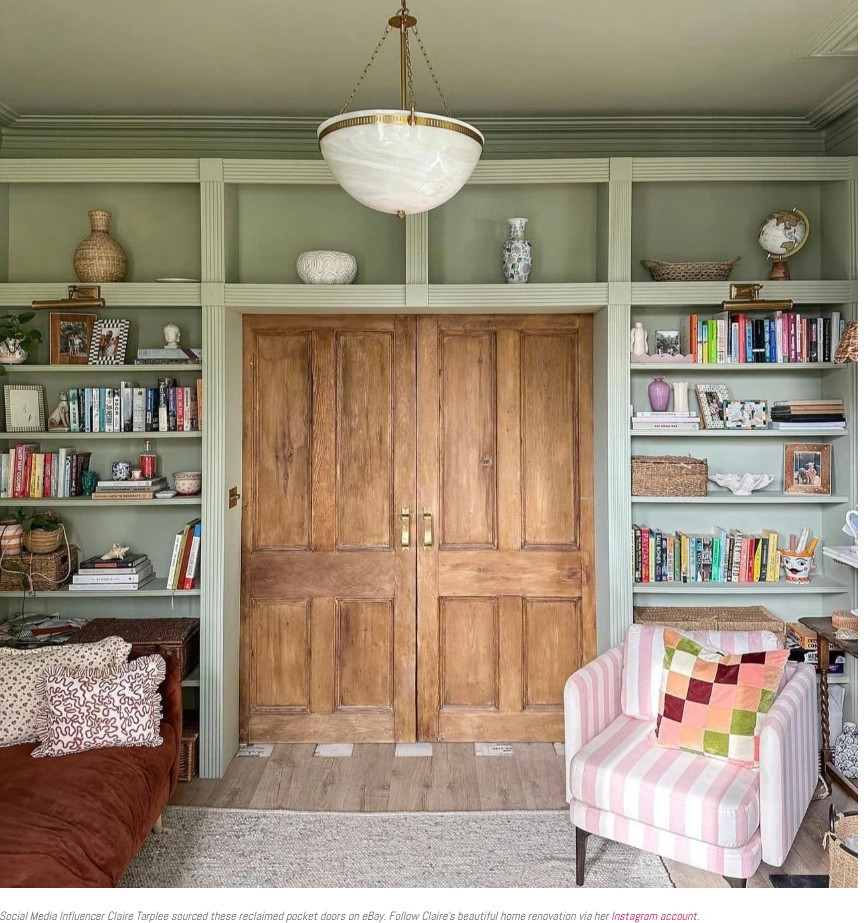
The door itself can reinforce the design narrative. Wood tones can add warmth, painted finishes can blend seamlessly into walls, and glass inserts can introduce lightness.
Coordinate with Trim and Millwork
Casing, baseboards, and adjacent detailing should feel cohesive. In some modern applications, designers opt for minimal or flush detailing to emphasize simplicity.
Think About Acoustics
While pocket doors provide some separation, they are not as soundproof as traditional doors. Designers should set expectations and specify accordingly in spaces like offices or bedrooms.
Highlight or Conceal
A pocket door can either disappear into the architecture or become a feature. Stained glass, bold finishes, or custom hardware can elevate it into a design moment.
Technical Considerations - What Designers Must Plan Early
Pocket doors require early coordination across disciplines.
Wall Construction and Systems Integration
Structural framing requirements
Electrical and plumbing conflicts
Fire-rating in commercial/public settings
Hardware and Track Systems
Capacity (weight load)
Soft-close and automation options
Maintenance accessibility
Acoustics and Sealing
Pocket doors typically offer less acoustic insulation than swing doors. Designers should:
Specify acoustic-rated systems where needed
Use seals or gaskets in sensitive environments
Code Compliance
Particularly in commercial and public projects:
ADA accessibility
Fire and life safety requirements
Egress considerations
Design Lesson: A beautiful detail only succeeds when it is technically sound.
Pocket Doors in Modern vs. Traditional Interiors
Pocket doors are remarkably adaptable across design styles.
In modern interiors, they are often sleek and understated—flush panels, neutral tones, and minimal hardware. The emphasis is on invisibility and clean lines.
In traditional spaces, pocket doors may feature raised panels, detailed trim, or decorative glass, echoing historical precedents.
The inclusion of stained glass bridges both worlds. In traditional homes, it reinforces authenticity; in contemporary settings, it can serve as a curated contrast—introducing craftsmanship into otherwise streamlined spaces.
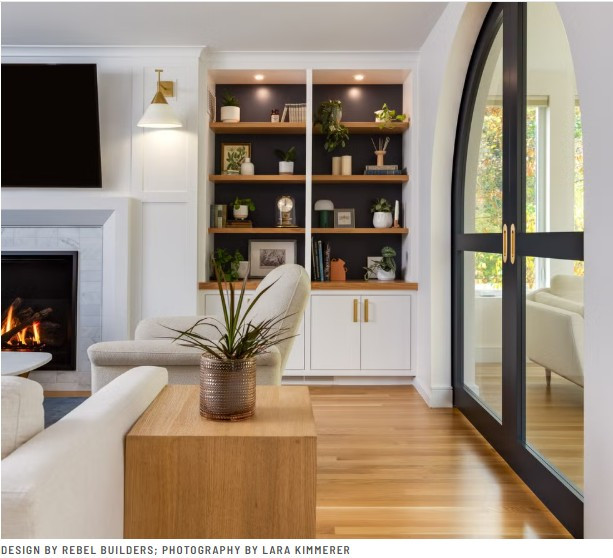
Design Strategy - When to Highlight vs. Conceal
One of the most important creative decisions is whether the pocket door should disappear—or stand out.
Concealed Approach
Flush with wall panels
Minimal hardware
Matches surrounding finishes
Expressive Approach
Contrasting materials
Decorative glass (including stained glass)
Visible track or framing details
Both strategies are valid—the key is intentionality.
Design Lesson: Design impact comes from choosing where to be quiet—and where to speak.
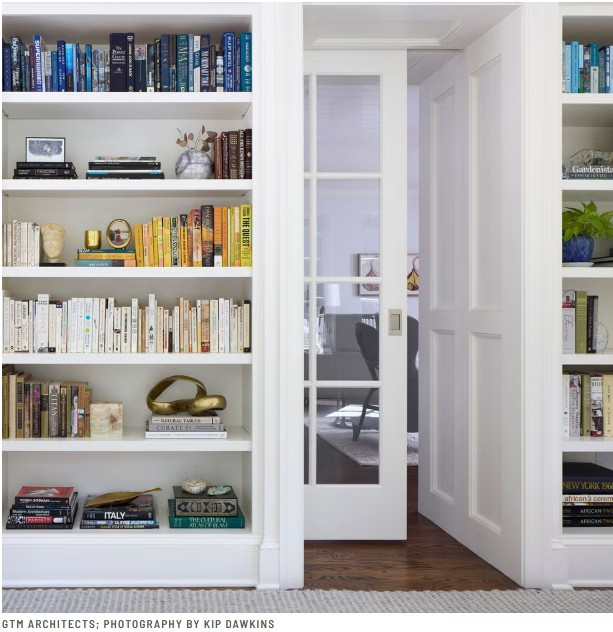
Potential Challenges and How to Overcome Them
No design solution is without trade-offs, and pocket doors are no exception.
Installation Complexity: Early planning with contractors ensures proper framing and alignment.
Limited Sound Insulation: Use in conjunction with other acoustic strategies if privacy is critical.
Hardware Wear Over Time: Invest in high-quality systems and specify reputable manufacturers.
When thoughtfully specified, these challenges are manageable and often outweighed by the benefits.
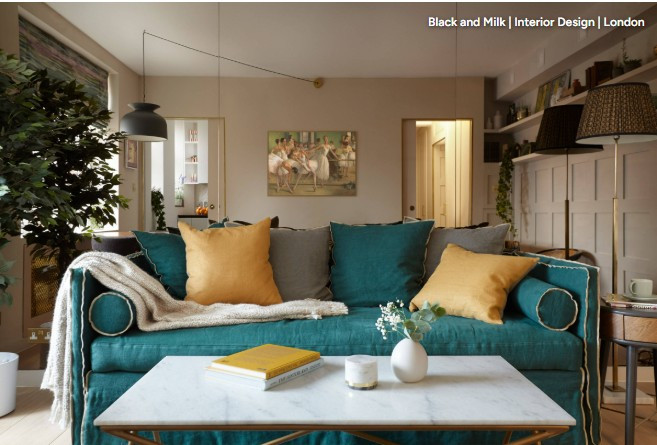
Conclusion: A Small Element with Expansive Impact
Pocket doors demonstrate how a single architectural element can influence space, movement, and experience. Across residential, commercial, and public design, they offer a rare combination of efficiency, flexibility, and beauty.
For interior designers, they are not simply a solution to spatial constraints—they are a means of shaping how people interact with environments.
When paired with thoughtful material selection, technical precision, and creative vision—including the artistry of stained glass—pocket doors become far more than functional.
By understanding both their history and modern potential, designers can use pocket doors not just as a functional feature, but as a meaningful part of the design story.
Design Lesson: Great design is not just seen—it is experienced through movement, transition, and choice.
Pocket Doors vs. Barn Doors - Designing with Intention, Not Trend
Pocket doors and barn doors are often grouped together as “sliding door solutions,” but in practice, they serve very different design purposes. Understanding when—and why—to use each is what separates a trend-driven choice from a well-resolved design decision.
Design Lesson: Not all space-saving solutions solve the same problem.
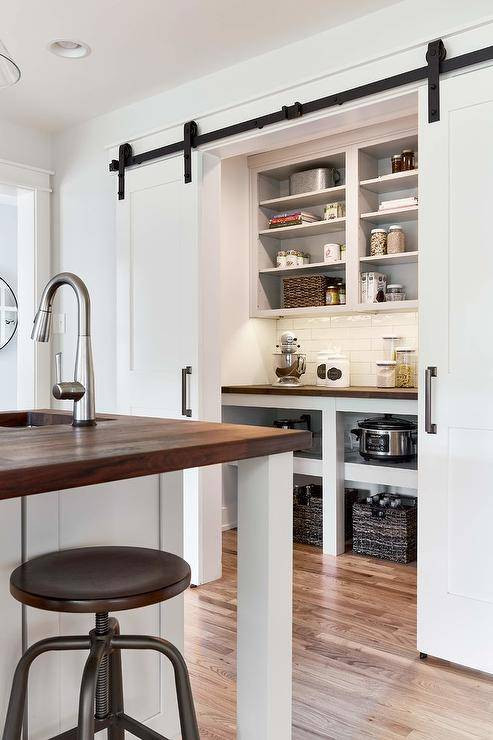
Photo Credit Jennifer Radakovic Designs
Core Differences: Function, Form, and Experience
Pocket Doors
Slide into the wall cavity
Disappear completely when open
Prioritize minimalism and spatial efficiency
Offer cleaner sightlines and architectural continuity
Barn Doors
Slide along the wall surface
Always remain visible
Emphasize expression and materiality
Introduce a strong stylistic statement
Design Lesson: Pocket doors are about absence; barn doors are about presence.
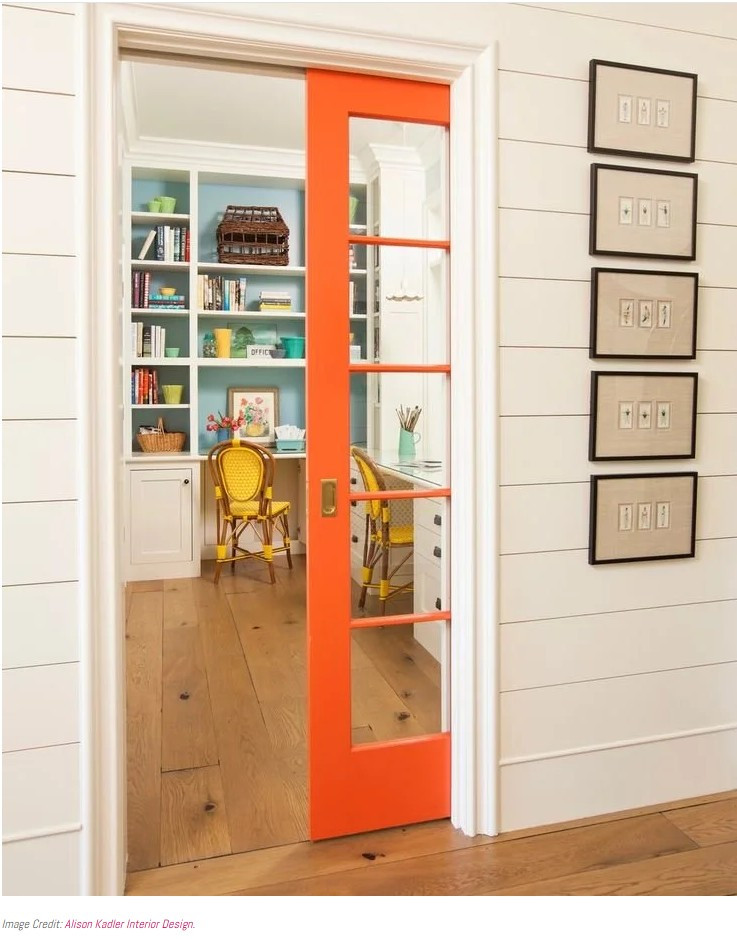
Performance Comparison - What Designers Must Evaluate
Space Efficiency
Pocket Door - Maximizes usable wall and floor space
Barn Door - Requires clear wall space equal to door width
Winner - Pocket Door
Privacy
Pocket Door - Better seal (though not perfect)
Barn Door - Gaps at edges limit visual and acoustic privacy
Winner - Pocket Door
Acoustics
Pocket Door - Moderate control (improvable with specs)
Barn Door - Minimal sound separation
Winner - Pocket Door
Installation Complexity
Pocket Door - Requires wall construction + early planning
Barn Door - Easier retrofit, surface-mounted
Winner - Barn Door
Design Impact
Pocket Door - Subtle, integrated
Barn Door - Bold, expressive
Winner - Depends on intent
Design Lesson: Choose barn doors when you want to see the door. Choose pocket doors when you want to see the space.
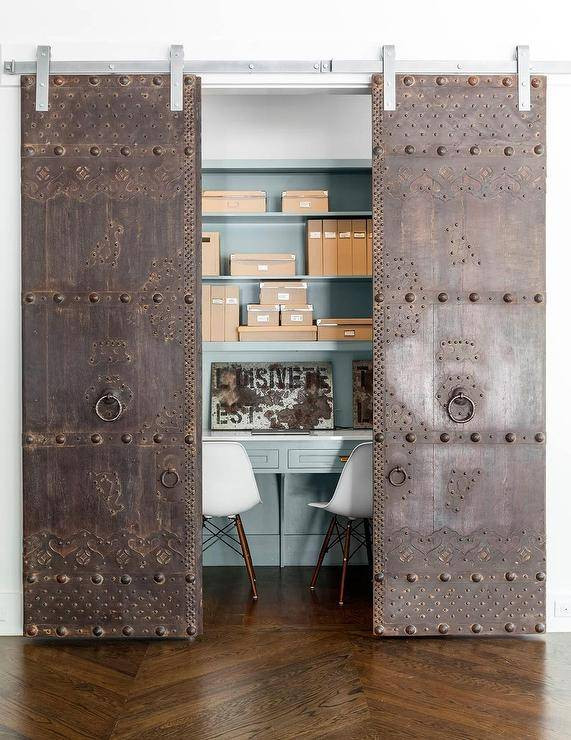
Photo Credit Robert Elliott Homes
When to Specify Pocket Doors vs. Barn Doors
Choose Pocket Doors When:
Space is limited
Clean sightlines are critical
Privacy is required (bedrooms, bathrooms, offices)
You want architectural subtlety
Working in high-end residential or professional environments
Choose Barn Doors When:
You want a design feature or focal point
Wall space is available
Privacy is less critical
You’re layering in rustic, industrial, or statement aesthetics
Retrofit simplicity is important
Design Lesson: The right door is the one that aligns with both function and narrative.
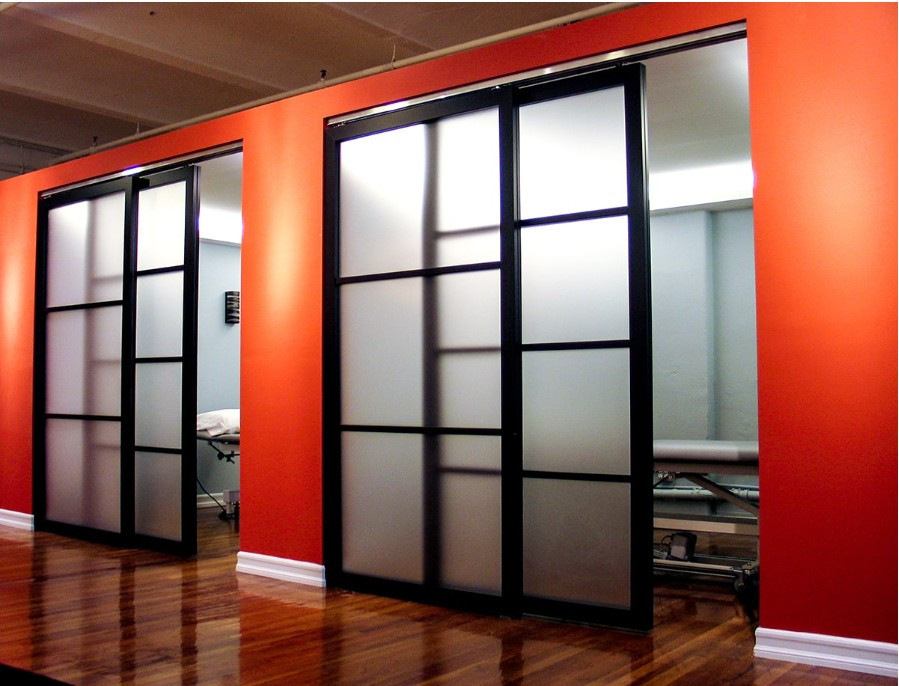
Photo Credit - Raydoor.com
Advanced Applications Across Sectors
Residential
Pocket doors for bathrooms, suites, and transitions
Barn doors for statement pantries, offices, or feature moments
Commercial
Pocket doors for conference rooms and flexible offices
Barn doors for brand-forward environments (hospitality, retail)
Public Spaces
Pocket doors for flow control and accessibility
Barn doors used sparingly, typically for thematic or interpretive design