
Photo Credit: Shutterstock.com
Looking Up: The Fifth Wall Has Always Mattered
When you enter a room, something always catches your eye. It might be a person, a lamp, a painting, or a beautifully crafted piece of furniture. But every once in a while...it's the ceiling.
Today's designers often devote considerable attention to statement ceilings—wood beams, wallpaper, decorative plaster, murals, coffers, and acoustic treatments. These architectural elements do more than complete a room; they shape how we experience it, drawing our eyes upward and creating moments of surprise and delight.
While the phrase "the fifth wall" may sound like a modern design concept, the idea is anything but new. For centuries, architects and craftsmen have understood that ceilings are among the most expressive surfaces in architecture. Every generation has found new ways to transform the space overhead into something memorable.
The most unforgettable interiors are often defined not by the elements we immediately notice, but by the details that quietly shape our experience of place until someone invites us to look.
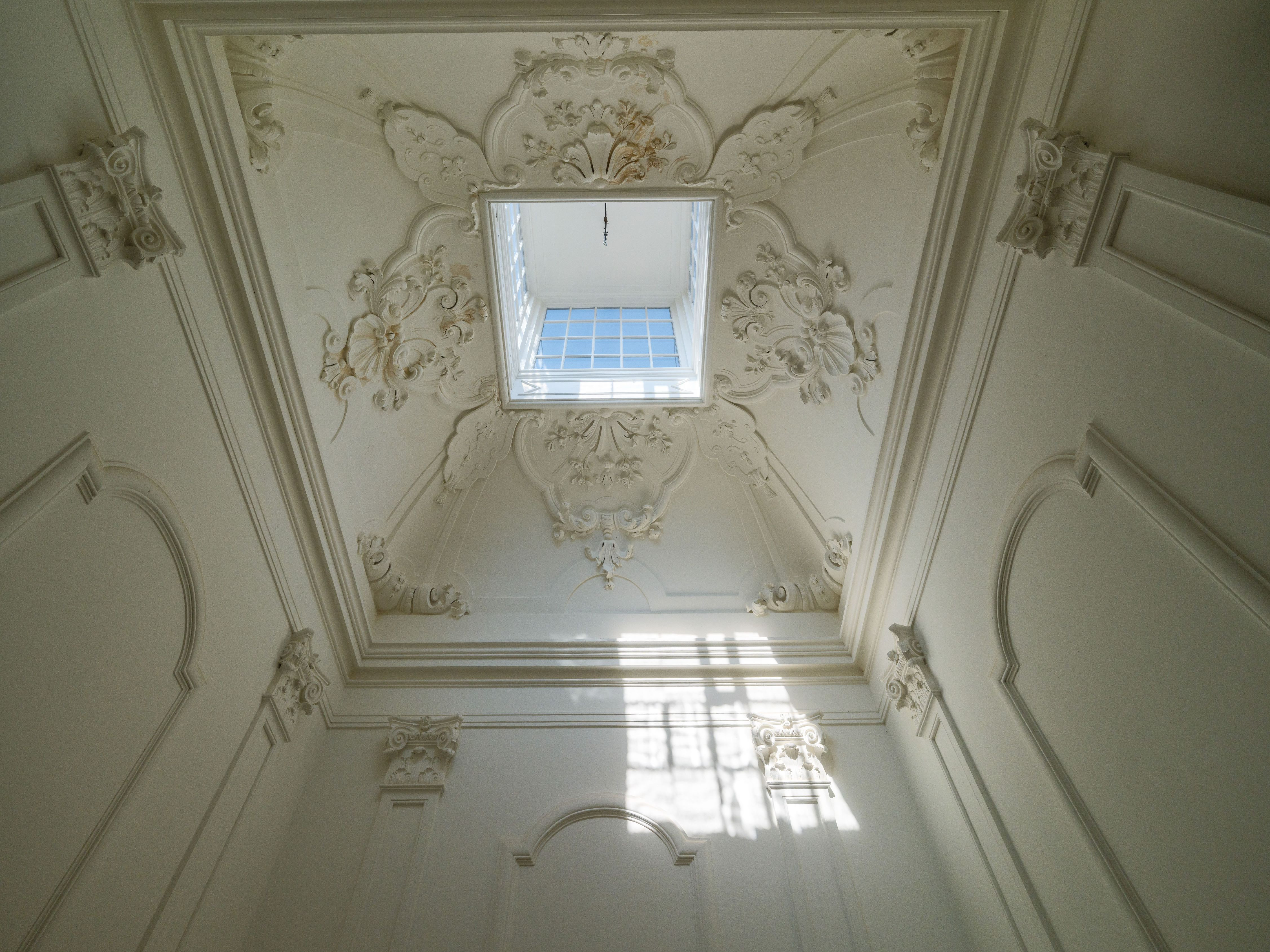
Photo Credit: Haberdoedas Photography (Pexel.com)
European palaces, churches, and grand homes featured magnificent ceilings crafted from carved wood, ornamental plaster, painted frescoes, and even gold leaf. Each decorative element was painstakingly created by skilled artisans, making these ceilings symbols of wealth, craftsmanship, and prestige. For the average homeowner, merchant, or community gathering place, however, such artistry remained well beyond reach.
And then...
The Industrial Revolution changed everything.
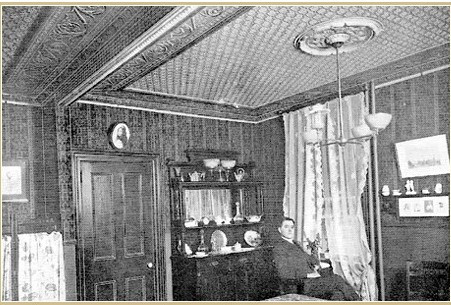
Photo Credit: Brian Greer's Tin Ceilings (tinceiling.com)
From Luxury to Everyday Beauty
Advances in manufacturing transformed decorative ceilings from handcrafted luxuries into architectural features that many more people could enjoy. Using powerful stamping presses, manufacturers produced intricate ceiling panels from thin sheets of tin-coated steel—commonly known today as "tin ceilings." These lightweight panels captured the elegance of ornate plaster while offering a more affordable, durable, and practical alternative.
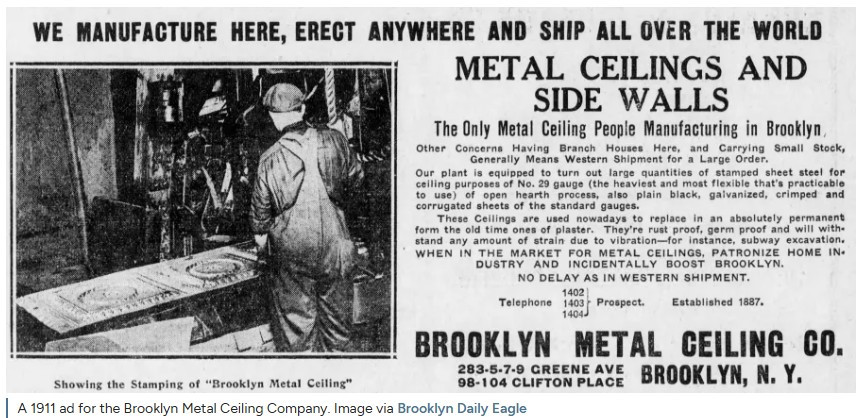
Photo Credit: Brownstoner.com
Illustrated catalogs made it possible for homeowners, shopkeepers, and builders to order decorative ceiling panels that could be shipped across the country by rail. Suddenly, beautiful ceilings were no longer reserved for palaces and mansions. Hotels, restaurants, banks, theaters, schools, storefronts, and homes all embraced pressed metal ceilings as a way to add character and sophistication without the cost of hand-crafted plaster.
Their popularity wasn't based solely on appearance. Pressed metal ceilings were durable, relatively easy to install, resistant to insects, and offered a practical solution in an era when fire safety was becoming an increasingly important consideration. They demonstrated that innovation doesn't have to replace beauty—it can make beauty accessible.
Design Lesson: Great design becomes truly influential when innovation makes craftsmanship and beauty available to more people.
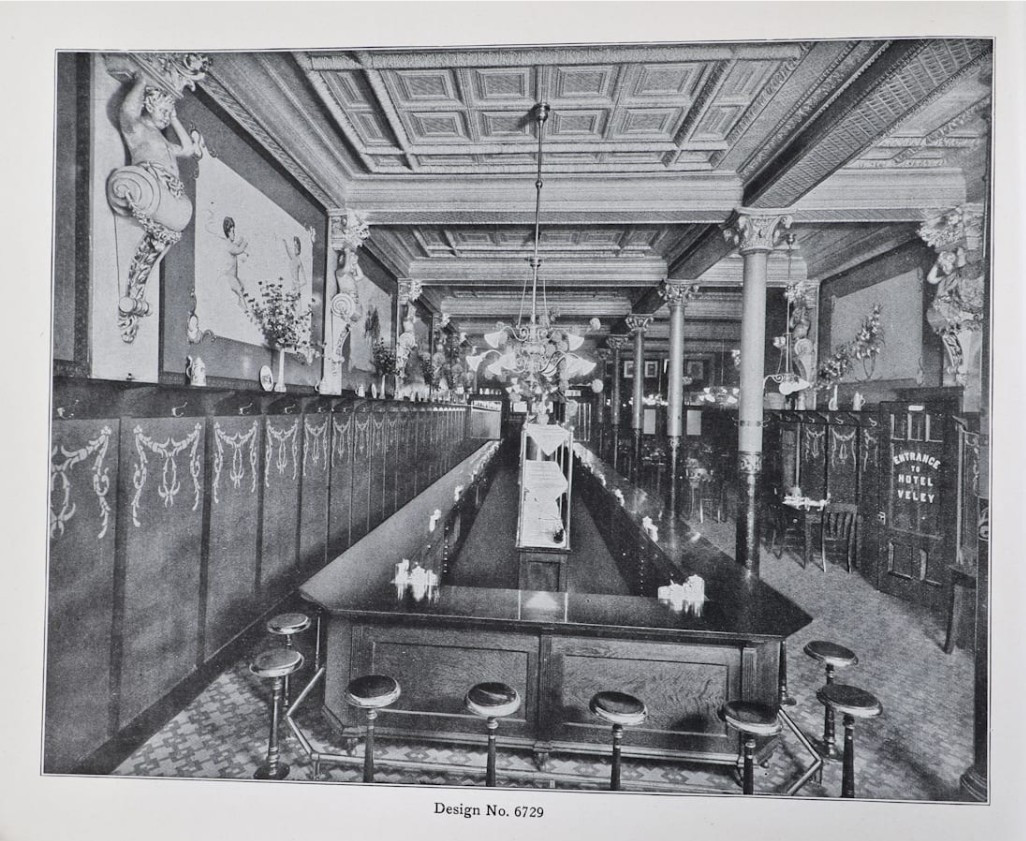
Photo Credit: Bldg51.com
Spaces That Invited Us to Look Up
Some of the most memorable examples of pressed metal ceilings appeared in places where people gathered and where first impressions mattered. Small-town railroad depots, neighborhood banks, elegant hotels, bustling restaurants, and civic buildings often welcomed visitors beneath beautifully patterned ceilings that quietly communicated care, permanence, and pride.
Imagine stepping from a steam locomotive into the station waiting room. Outside, the platform hummed with activity, the air carrying the scent of coal smoke and the hiss of escaping steam. Inside, daylight spilled across an elegantly patterned pressed metal ceiling. In an instant, the room shifted from movement to stillness. Before a traveler spoke to the ticket agent or greeted a waiting loved one, the architecture had already begun telling a story of welcome, craftsmanship, and place. Those ceilings did more than decorate a room—they shaped the experience of arrival.
"Architecture begins shaping our experience long before anyone says, 'Welcome.'"
Design Lesson: The experience of arrival begins long before a conversation starts. Thoughtful architectural details establish comfort, identity, and a lasting first impression.
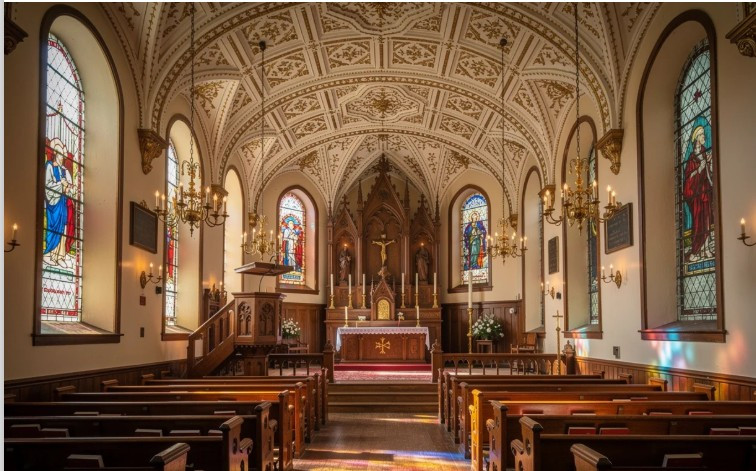
Photo Credit: Shanko Tin Ceilings (Shanko.com)
Why Designers Are Looking Up Again
Today's designers are once again recognizing the ceiling as an essential design surface. Whether restoring a historic building or creating a contemporary interior, they are discovering that memorable spaces don't necessarily require more furnishings or accessories. Often, the architecture itself provides the richness.
Pressed metal ceilings fit beautifully into this renewed appreciation for authentic materials and adaptive reuse. A restored ceiling can become the focal point of a minimalist kitchen, add warmth to a boutique hotel, or introduce texture into a contemporary restaurant without overwhelming the space. Rather than recreating Victorian interiors, designers are thoughtfully pairing historic craftsmanship with clean lines and modern finishes, allowing old and new to complement one another.
This approach reflects a broader shift in design. Increasingly, sustainability means preserving what already exists whenever possible. Restoring an original pressed metal ceiling not only celebrates the building's history but also reduces waste while creating spaces with a depth and character that cannot easily be replicated.
Design Lesson: The most memorable interiors aren't filled with more things—they're enriched by thoughtful architectural details that tell a story.
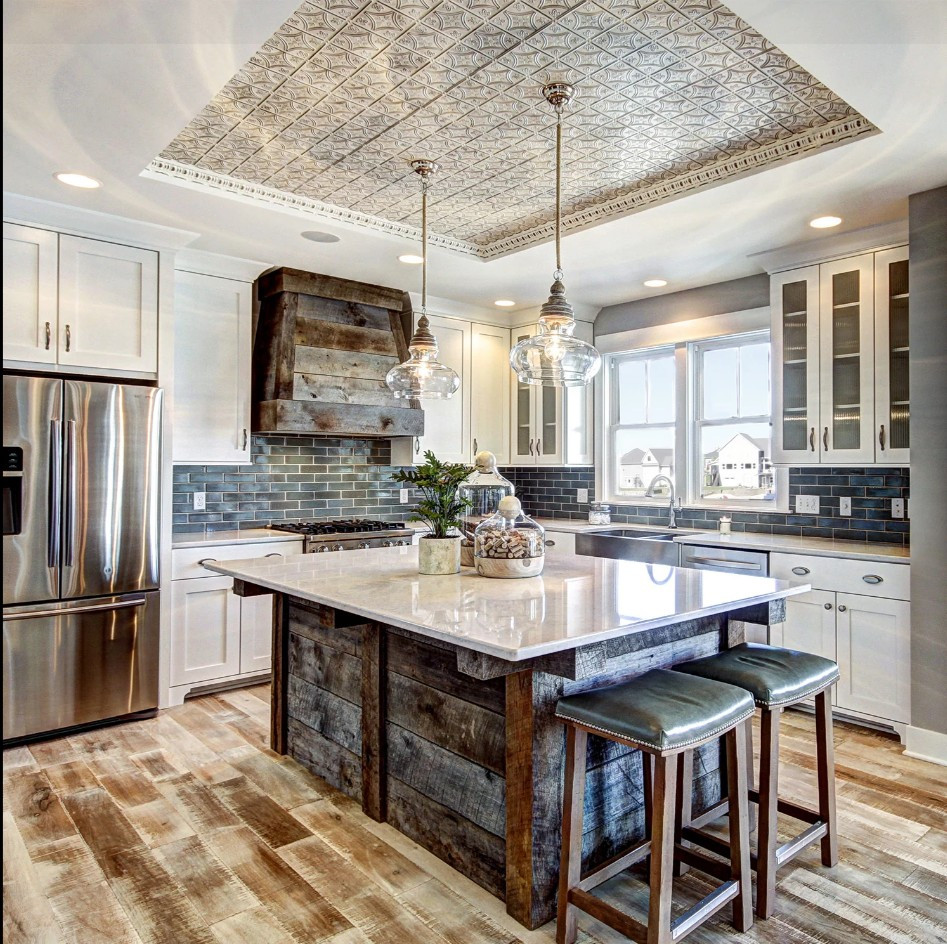
Photo Credit: AmericanTinCeilings.com
The Wonder of the Overlooked
Perhaps the enduring appeal of pressed metal ceilings has little to do with metal at all. Instead, they remind us to slow down, to notice, and to experience architecture with curiosity.
In our screen-filled world, we spend much of our time looking down. Great interiors gently interrupt that habit. They encourage us to pause, lift our eyes, and discover the craftsmanship that has quietly surrounded us all along.
The most memorable interiors are often defined by the elements people don't consciously notice until someone invites them to look. A ceiling may not be the first feature we remember, yet it shapes the light, the atmosphere, and the emotional character of a room in subtle but meaningful ways.
Perhaps that's why pressed metal ceilings continue to inspire designers today. They remind us that wonder isn't always found in the newest trend or the boldest statement. Sometimes it's waiting overhead, quietly transforming an ordinary room into an unforgettable place.
Design Lesson: The best interiors don't simply function well—they reward curiosity, inspire wonder, and encourage us to see familiar places with fresh eyes.
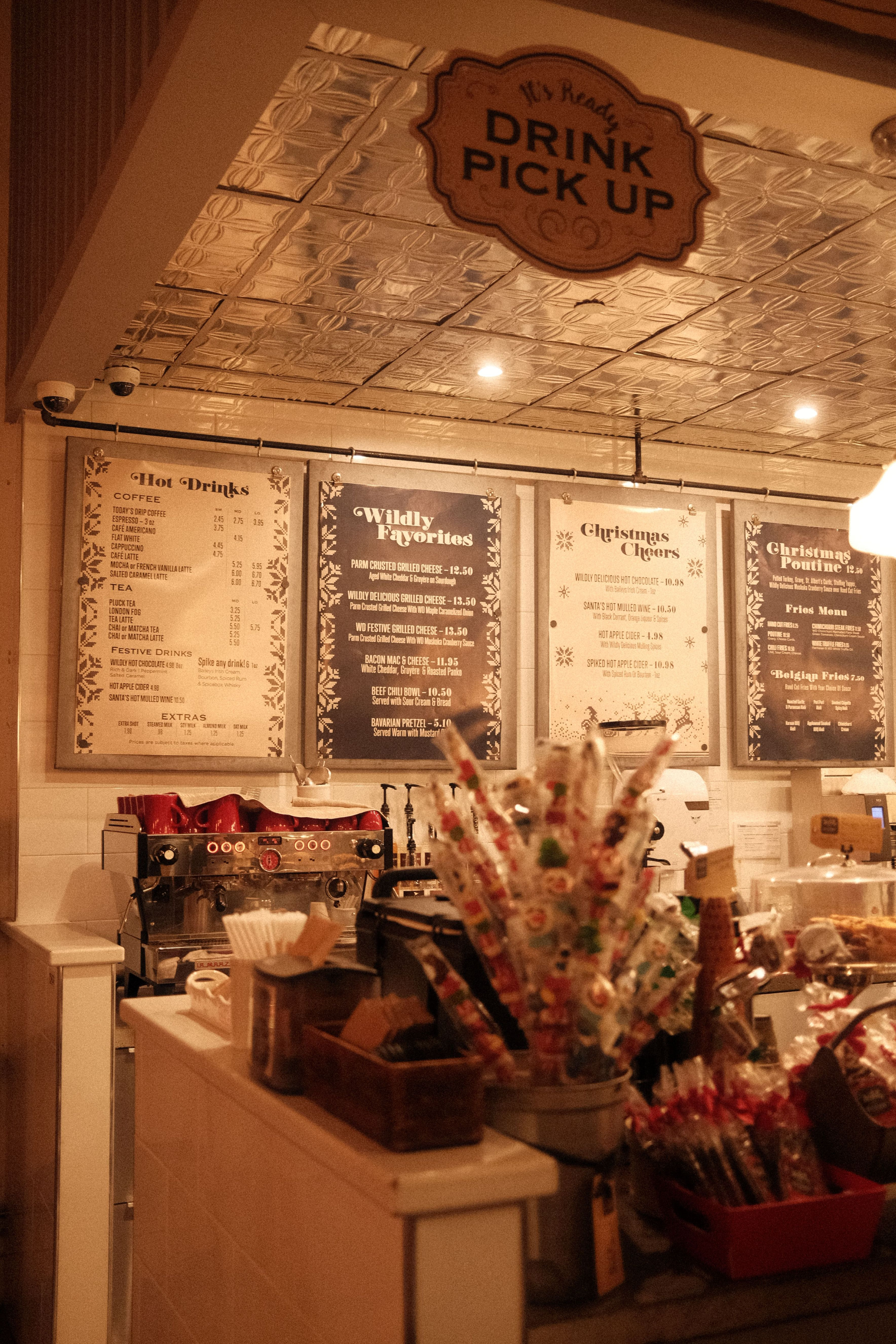
Photo Credit: Wendy Wei (Pexels.com)
Looking Up
Perhaps the greatest lesson pressed metal ceilings offer today's designers isn't about metal at all. It's about intention. Long before "statement ceilings" became a design trend, architects and craftsmen understood that every surface contributes to the experience of a space. Walls shape our movement. Floors ground us. But ceilings lift our eyes, define atmosphere, and quietly influence how a room is remembered.
The fifth wall has always mattered. As designers continue to blend historic character with contemporary living, pressed metal ceilings remind us that some of the most inspiring ideas aren't hidden in plain sight—they're simply waiting for us to look up.