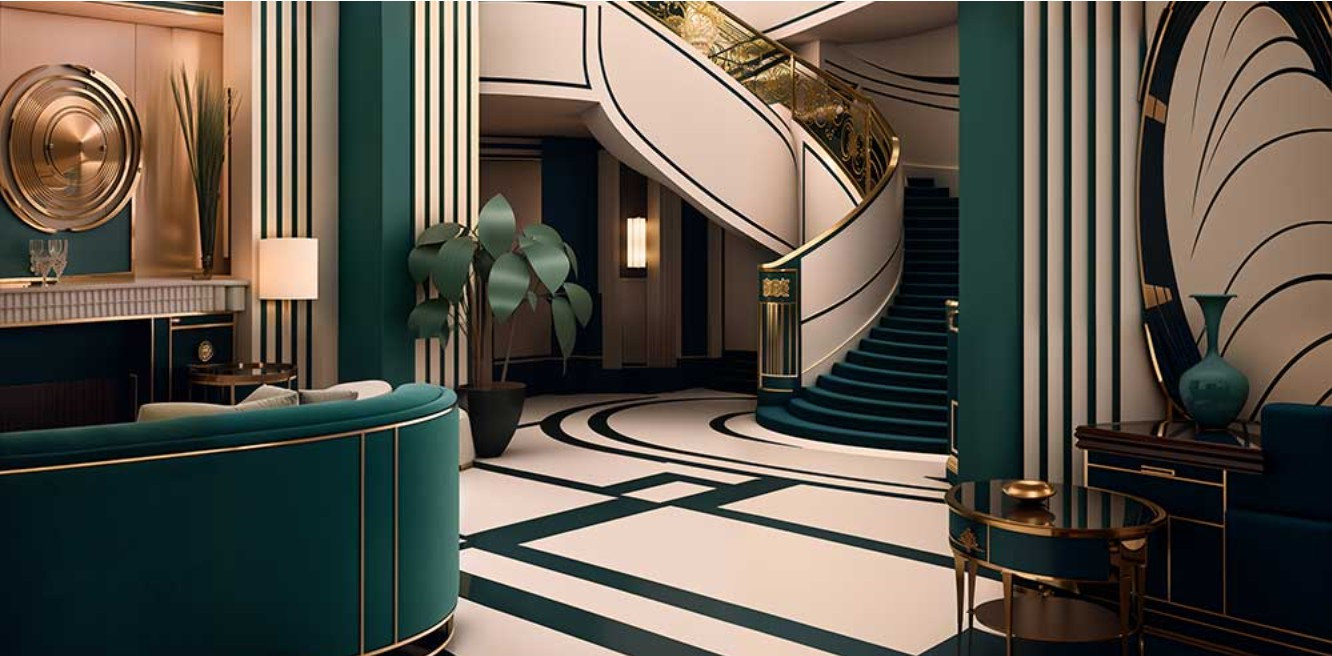
Photo credit - amerellewallplates.com
How Decorative Arts Connect All Art Deco Elements
The Hidden Framework of a Timeless Style
Art Deco is often recognized by its bold geometry, luxurious materials, and unmistakable glamour. Chrome glints against lacquered surfaces. Marble floors meet geometric rugs. Lighting fixtures sparkle like jewelry suspended in air. Yet beneath the visual drama lies a quieter, more foundational force that binds everything together: the decorative arts.
Decorative arts are not merely accents in Art Deco—they are the connective tissue that allows architecture, furnishings, textiles, lighting, and objects to speak the same visual language. Without decorative arts, Art Deco would fragment into disconnected pieces. With them, it becomes an integrated, immersive environment where every detail participates in the overall composition.
Understanding how decorative arts connect Art Deco elements reveals why this style feels so cohesive, why it continues to influence contemporary interiors, and why thoughtful detail remains the defining hallmark of great design.
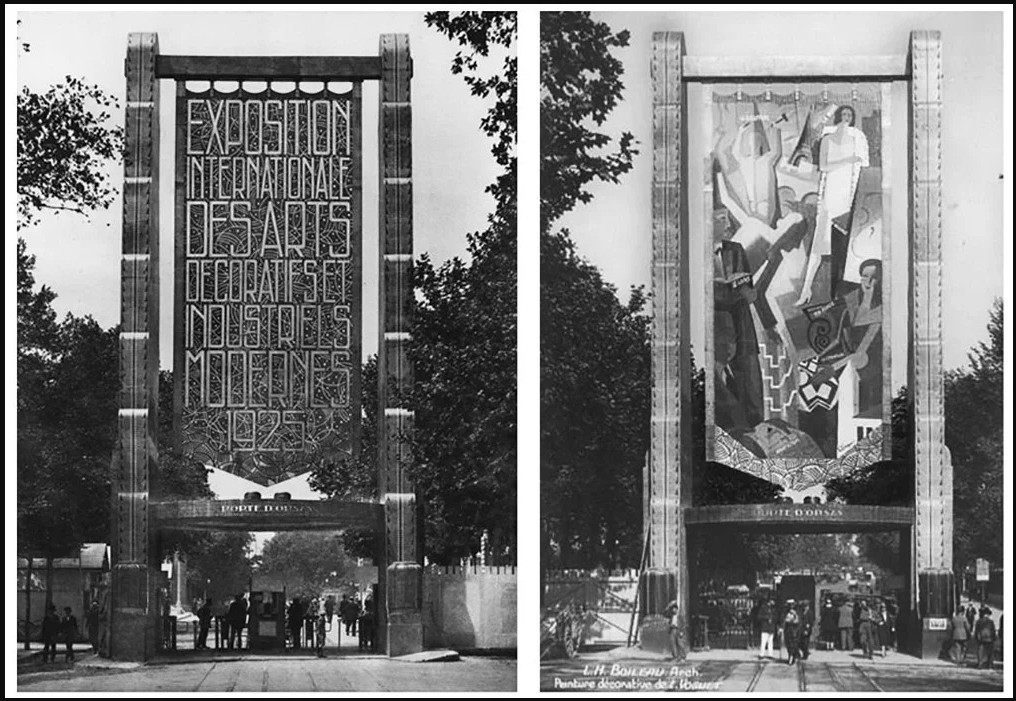
Photo credit - arthurchandler.com
The Historical Foundation of Decorative Arts in Art Deco
To understand how decorative arts unify Art Deco, we must first step back to the early twentieth century, when the movement was born.
Art Deco rose to prominence during the 1920s and 1930s, reaching international attention at the 1925 Exposition Internationale des Arts Décoratifs et Industriels Modernes in Paris. The very name "Art Deco" comes from this exhibition, and notably, the phrase arts décoratifs—decorative arts—was not incidental. It was central to the movement's identity.
Unlike earlier artistic traditions that separated fine art from functional objects, Art Deco embraced the idea that everyday objects could be both useful and beautiful. Furniture, lighting, ceramics, textiles, glassware, and metalwork were elevated to artistic status. Designers collaborated across disciplines, creating interiors in which architecture, furnishings, and decorative objects were conceived together rather than assembled independently.
The result was a design philosophy rooted in unity. Decorative arts were not afterthoughts. They were the framework through which the entire visual environment was orchestrated.
Design Lesson:
When designing a space inspired by Art Deco, think beyond isolated statement pieces. True cohesion emerges when decorative elements are conceived as part of a unified visual system rather than decorative additions applied later.
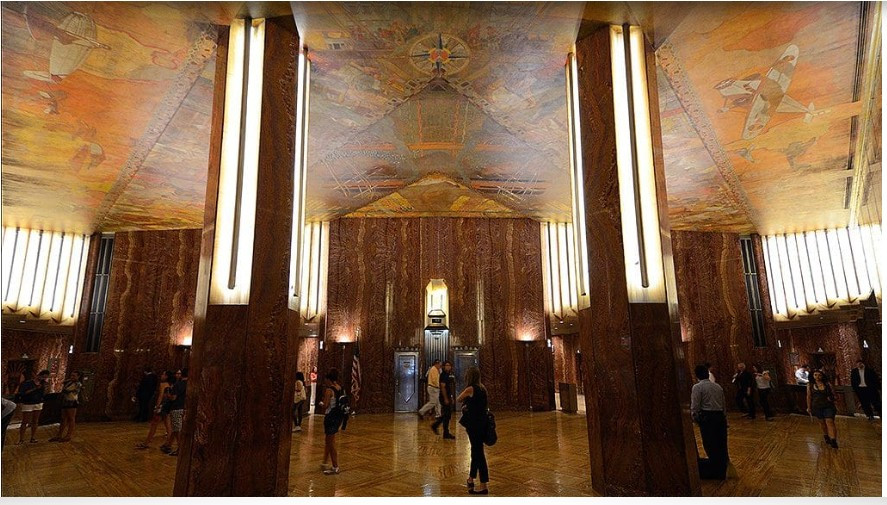
Photo credit - evergreene.com
Decorative Arts as the Visual Language of Art Deco
Every design movement has a visual language. In Art Deco, decorative arts provide the vocabulary.
Geometric motifs are among the most recognizable characteristics of the style. Zigzags, chevrons, sunbursts, stepped forms, and stylized florals appear repeatedly across surfaces and objects. These motifs move fluidly from architecture to furniture to textiles, creating visual continuity across different scales.
A building façade might feature stepped forms reminiscent of skyscrapers. Inside, a cabinet may echo that same geometry in its silhouette. A rug might repeat the pattern in softened textile form, while a light fixture interprets it through glass and metal.
This repetition is not redundancy. It is rhythm.
Decorative arts function as translators, allowing large-scale architectural ideas to be expressed in smaller, human-scale objects. Without this translation, the architecture and interior elements would feel unrelated. With it, the space feels composed.
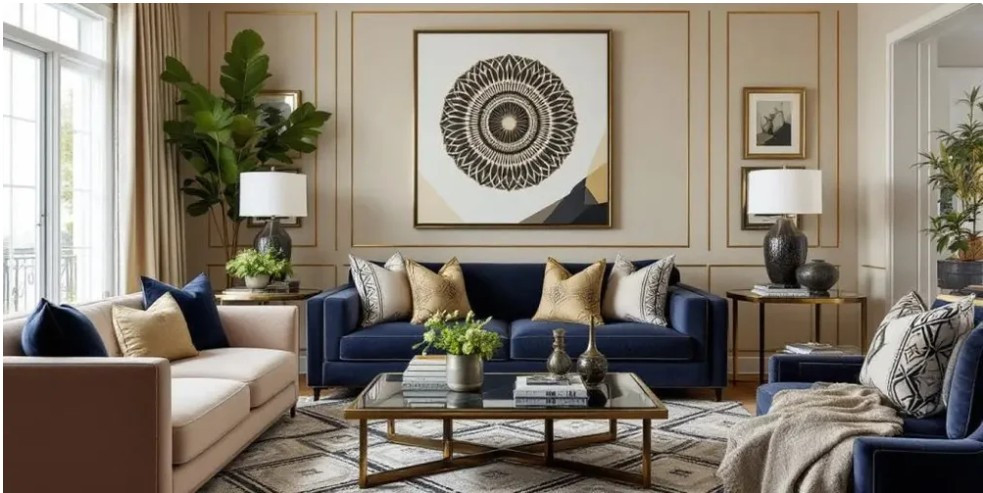
Photo credit - chandelierslife.com
Materiality as a Unifying Force
One of the most powerful ways decorative arts connect Art Deco elements is through material selection.
Art Deco celebrates materials that convey luxury, modernity, and technological progress. Exotic woods such as ebony and rosewood appear alongside lacquer finishes, chrome, brass, glass, marble, and inlaid stone. Even when materials differ, they are selected to complement each other through contrast and reflection.
Decorative arts objects carry these materials throughout the interior. A chrome-and-glass light fixture echoes the metal details of door hardware. A lacquered cabinet reinforces the sheen found in wall panels. A marble-topped table reflects the flooring beneath it.
Material repetition creates visual continuity, even when forms vary.
What makes Art Deco especially compelling is its balance between opulence and precision. Surfaces are often highly finished, yet never chaotic. Materials are chosen not simply for their beauty but for how they contribute to the collective whole.
Design Lesson:
Material repetition creates harmony. If chrome appears in lighting, echo it in hardware. If lacquer appears in furniture, reinforce it with decorative accessories. Cohesion often begins with material continuity.
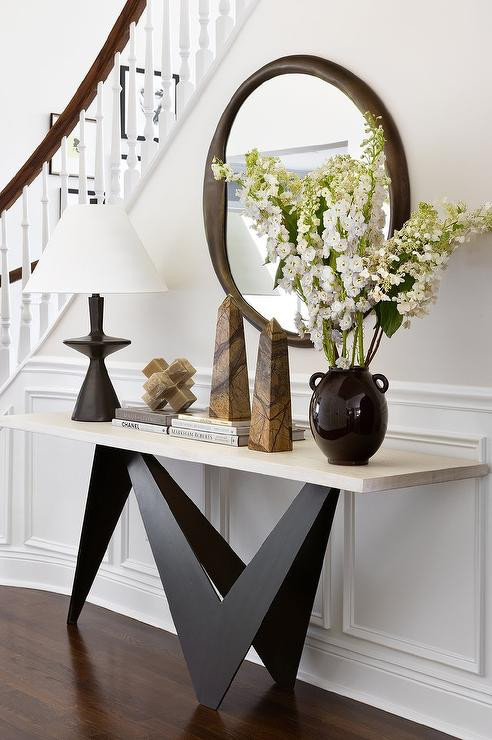
Photo credit - decorpad.com
The Role of Decorative Objects as Connective Details
Small objects often carry disproportionate visual influence.
In Art Deco interiors, decorative objects such as vases, clocks, sculptures, and trays act as bridges between large design elements. These objects repeat shapes, materials, and motifs found elsewhere in the room, strengthening visual unity.
Consider the iconic Art Deco sunburst motif. It may appear in architectural relief, reappear in a mirror frame, and then subtly echo in the etched surface of a glass vase. Each repetition reinforces the identity of the space.
Objects also provide opportunities to introduce craftsmanship. Many Art Deco decorative arts are handcrafted or feature intricate detailing, making them both artistic statements and functional objects.
This attention to small-scale design is what prevents Art Deco interiors from feeling cold or mechanical. Instead, they feel layered and intentional.
Design Lesson:
Never underestimate the power of small objects. Thoughtfully selected decorative pieces are not filler; they are connectors that strengthen the design narrative.
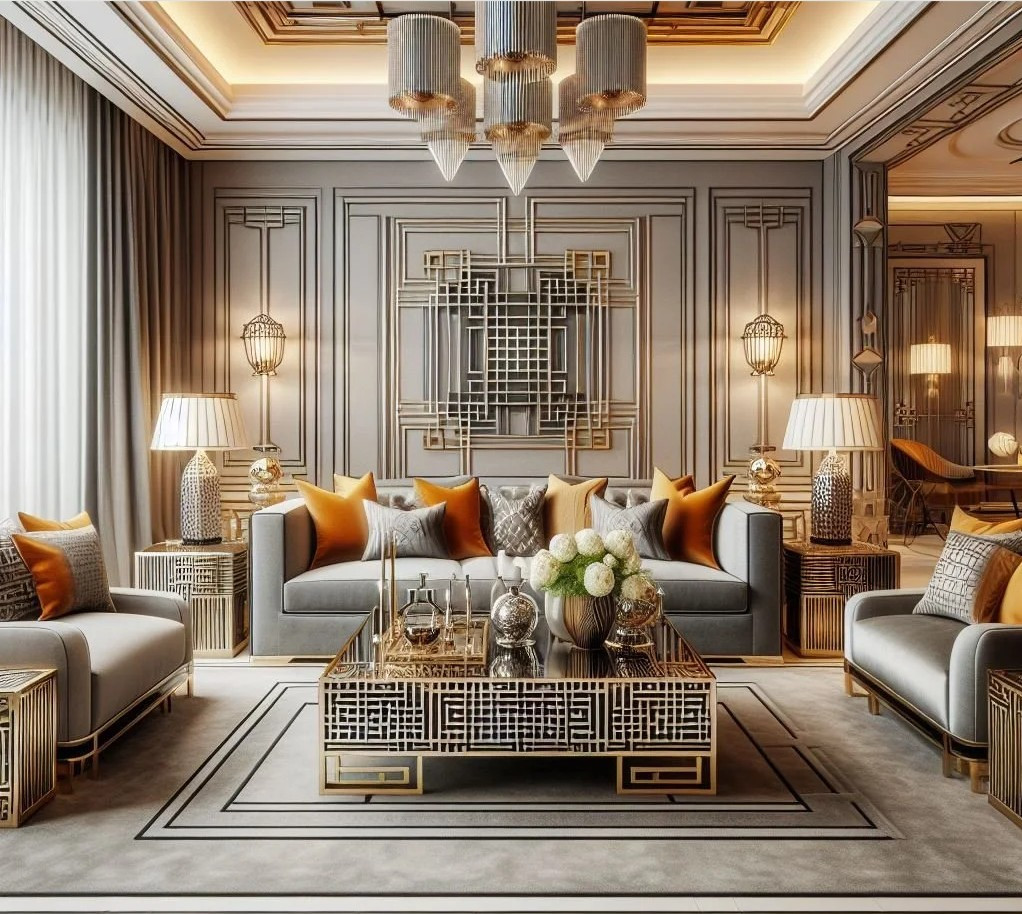
Photo credit - Lorddecor.com
Textiles as Pattern Carriers
Textiles are among the most effective decorative arts for carrying pattern across a space.
Rugs, upholstery, drapery, and cushions provide opportunities to introduce repeating motifs without overwhelming architectural elements. Art Deco textiles frequently featured stylized botanical forms, fan shapes, chevrons, and linear patterns that echoed architectural geometry.
Textiles also soften the hard surfaces common in Deco interiors. Marble, metal, and lacquer create reflective environments, while textiles introduce warmth and tactility. The contrast enhances both materials.
Pattern continuity through textiles allows designers to connect seating areas to architectural features, guiding the eye through the space.
Design Lesson:
Patterns in textiles should reinforce architectural ideas rather than compete with them. When textiles echo geometry found elsewhere, the room gains visual rhythm.
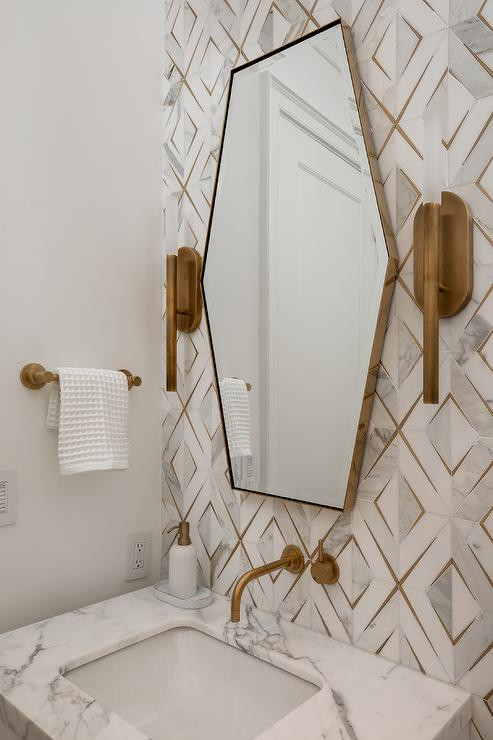
Photo credit - Decorpad.com
Lighting as Functional Sculpture
Lighting occupies a unique place in the decorative arts because it combines function, technology, and ornament.
Art Deco lighting fixtures often resemble sculptural objects. Frosted glass shades, stepped silhouettes, chrome finishes, and etched patterns transform lighting into visual anchors. Rather than disappearing into the background, lighting participates actively in the design.
Lighting also reinforces symmetry, a key principle in Art Deco composition. Paired sconces, balanced pendants, and evenly spaced fixtures create visual order.
When lighting echoes forms found elsewhere—stepped profiles, geometric lines, metallic finishes—it strengthens the architectural narrative.
Design Lesson:
Lighting should not be treated as an afterthought. In Art Deco design, lighting acts as both sculpture and structure, defining the visual rhythm of the room.
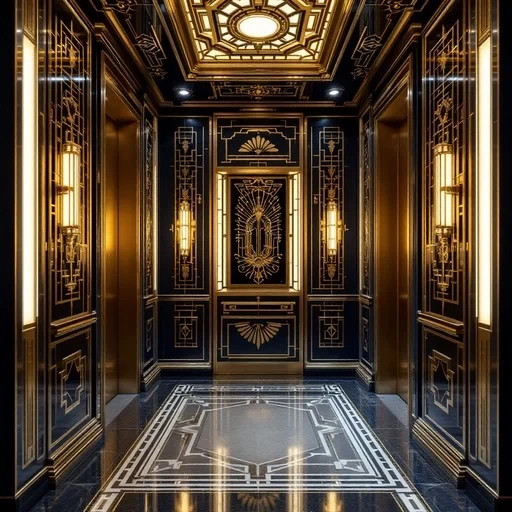
Photo credit - Stockcake.com
Decorative Arts and the Total Design Philosophy
One of the most distinctive aspects of Art Deco is its commitment to total design.
Designers often create complete environments rather than individual pieces. Architecture, furniture, textiles, lighting, and decorative objects are conceived as parts of a single composition.
This holistic approach reflects the broader philosophy of decorative arts - beauty should exist across all aspects of daily life.
In many historic Art Deco interiors, even seemingly minor elements—door handles, elevator panels, radiator covers—receive careful decorative attention. Nothing is left to chance.
The result is immersive design.
Rather than isolated moments of beauty, Art Deco interiors offer continuous visual storytelling from entry to exit.
Design Lesson:
Consistency across details creates immersion. When every element participates in the design language, the space feels intentional rather than assembled.
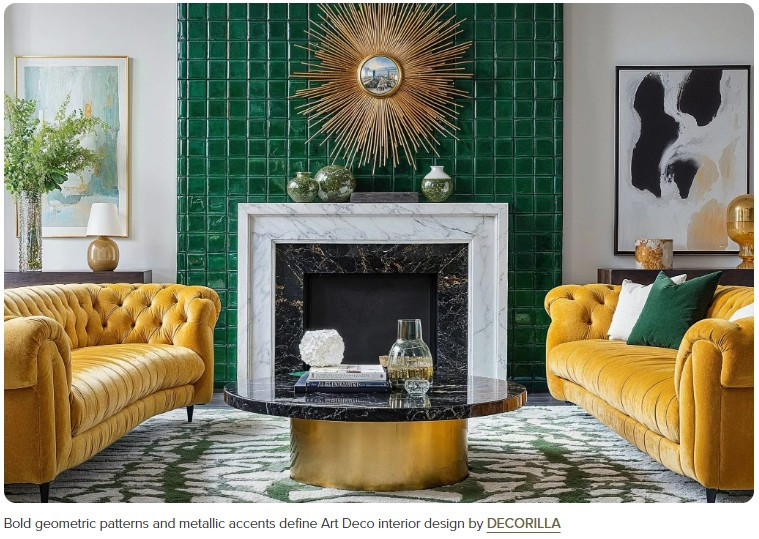 Photo credit - Decorilla.com
Why Decorative Arts Still Matter in Contemporary Design
Although Art Deco originated nearly a century ago, its reliance on decorative arts remains deeply relevant today.
Modern interiors often struggle with fragmentation. Furniture from one era mixes with architecture from another. Decorative objects are added without clear intention. The result can feel visually disjointed.
Art Deco offers an alternative model—one rooted in cohesion.
By using decorative arts to repeat motifs, materials, and proportions, contemporary designers can create environments that feel unified without becoming rigidly historical.
Even subtle references to Deco principles—such as repeating geometric patterns or coordinating materials across surfaces—can elevate modern interiors.
Decorative arts remain the bridge between vision and execution.
They transform abstract design ideas into tangible experiences.
Design Lesson:
Decorative arts are not decorative extras. They are strategic tools that translate design ideas into physical form.
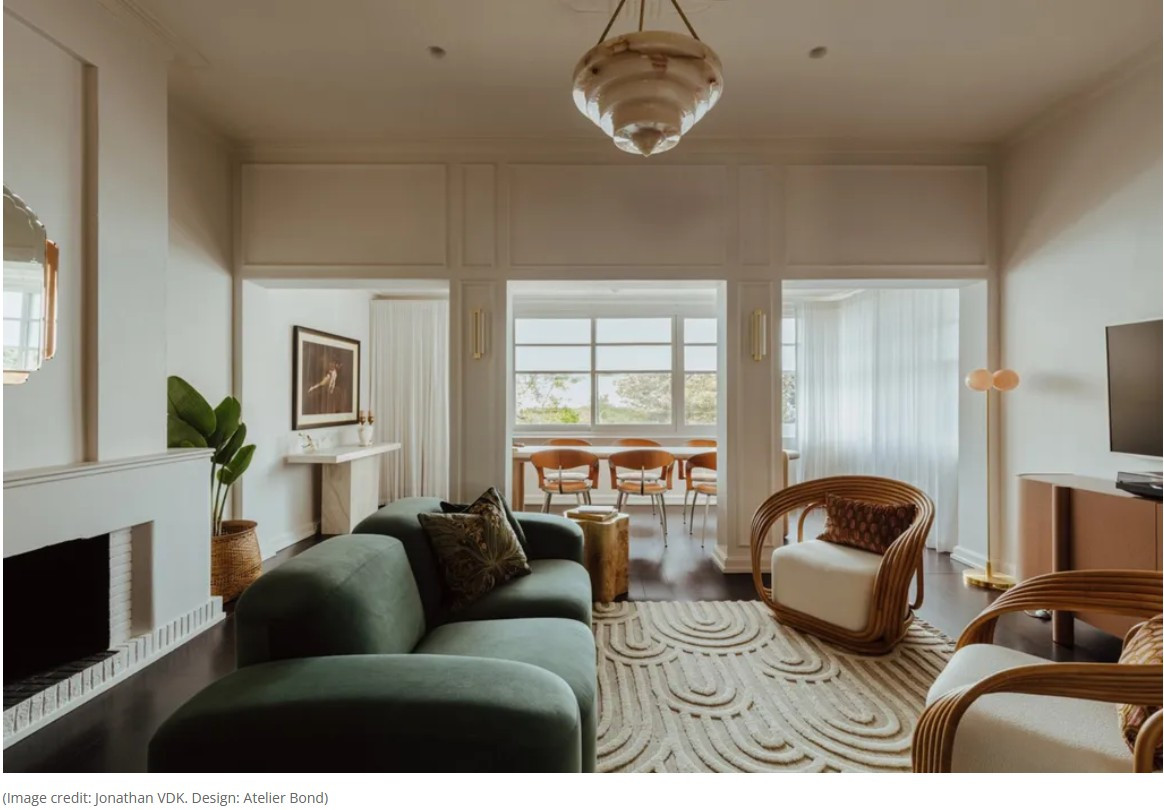
The Enduring Legacy of Decorative Arts in Art Deco
At its core, Art Deco is not defined solely by style but by integration.
Decorative arts connect architecture to furniture, furniture to objects, objects to textiles, and textiles back to structure. They form the continuous thread that transforms separate elements into a cohesive whole.
This is why Art Deco interiors feel intentional rather than accidental. Every detail contributes to the larger composition.
The enduring lesson of Art Deco is not simply about glamour or geometry. It is about unity through detail.
When decorative arts are used thoughtfully, they do more than beautify a space. They organize it. They clarify it. They give it identity.
And in doing so, they transform design from decoration into experience.
Final Design Lesson:
The strength of Art Deco lies not in individual objects but in relationships between them. When decorative arts connect elements across a space, the result is harmony that feels both timeless and deliberate.