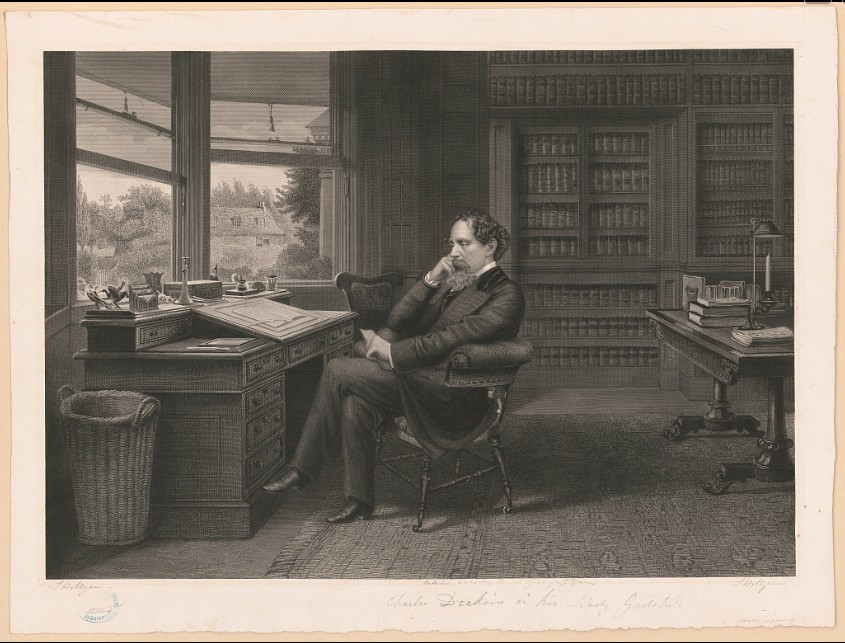
Photo Credit - Library of Congress - S. Hollyer - Charles Dickens in his study
From Study to Man Cave: The Design Evolution of Male Retreat Spaces
The modern “man cave” is often portrayed as a cultural cliché—oversized recliners, mounted televisions, and walls crowded with memorabilia. Yet beneath the stereotypes lies a far more compelling design story. The male retreat space, in its many forms, is not a novelty of modern suburbia but the latest expression of a centuries-old architectural tradition: the deliberate creation of private rooms that allow for solitude, identity, and personal ritual.
Viewed through a design lens, the man cave becomes more than a themed entertainment room. It becomes a continuation of spatial traditions rooted in privacy, authority, reflection, and leisure. The modern version may feature streaming screens rather than writing desks, but the underlying design impulse remains remarkably consistent: to carve out a personal territory within the shared environment of the home.
Understanding the evolution of male retreat spaces offers designers and homeowners alike a deeper appreciation of how these rooms function—not simply as recreational zones, but as expressions of identity and refuge.
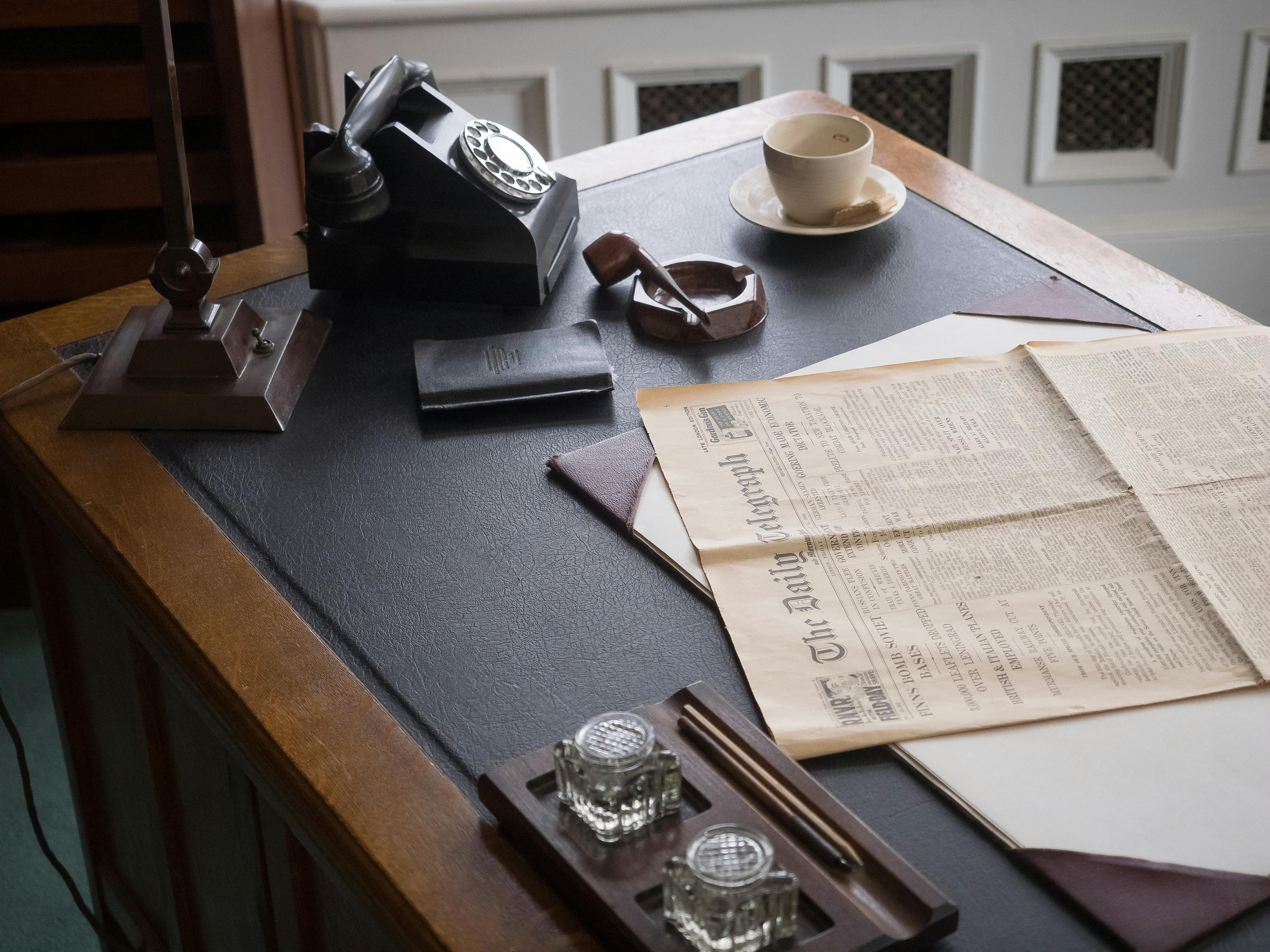
Photo Credit - Pexels.com - William Warby
The Gentleman’s Study: The Original Architectural Retreat
Long before the term “man cave” entered everyday vocabulary, the gentleman’s study served as the primary masculine retreat within the home. Emerging prominently in the 18th and 19th centuries, the study was both functional and symbolic—a place of thought, governance, reading, and reflection.
Design elements in these rooms were intentional and deeply tied to purpose. Built-in bookshelves created visual weight and permanence. Writing desks positioned near windows supported concentration and access to natural light. Materials such as walnut, mahogany, and leather established an atmosphere of gravity and quiet authority. Lighting tended toward warm and subdued tones, fostering a sense of enclosure and focus rather than openness and distraction.
These studies were rarely flamboyant. Instead, they conveyed stability and continuity. Collections—maps, globes, instruments, or books—were displayed not merely as decoration but as markers of personal knowledge and intellectual engagement.
What distinguished these rooms most was their sense of boundary. They were physically separate from the social spaces of the home, reinforcing the idea that retreat was not an accident but an intentional act of withdrawal.
Design Lesson:
Designing for retreat begins with boundaries. A successful personal retreat space is not simply furnished differently; it is spatially defined in a way that signals separation from daily activity.
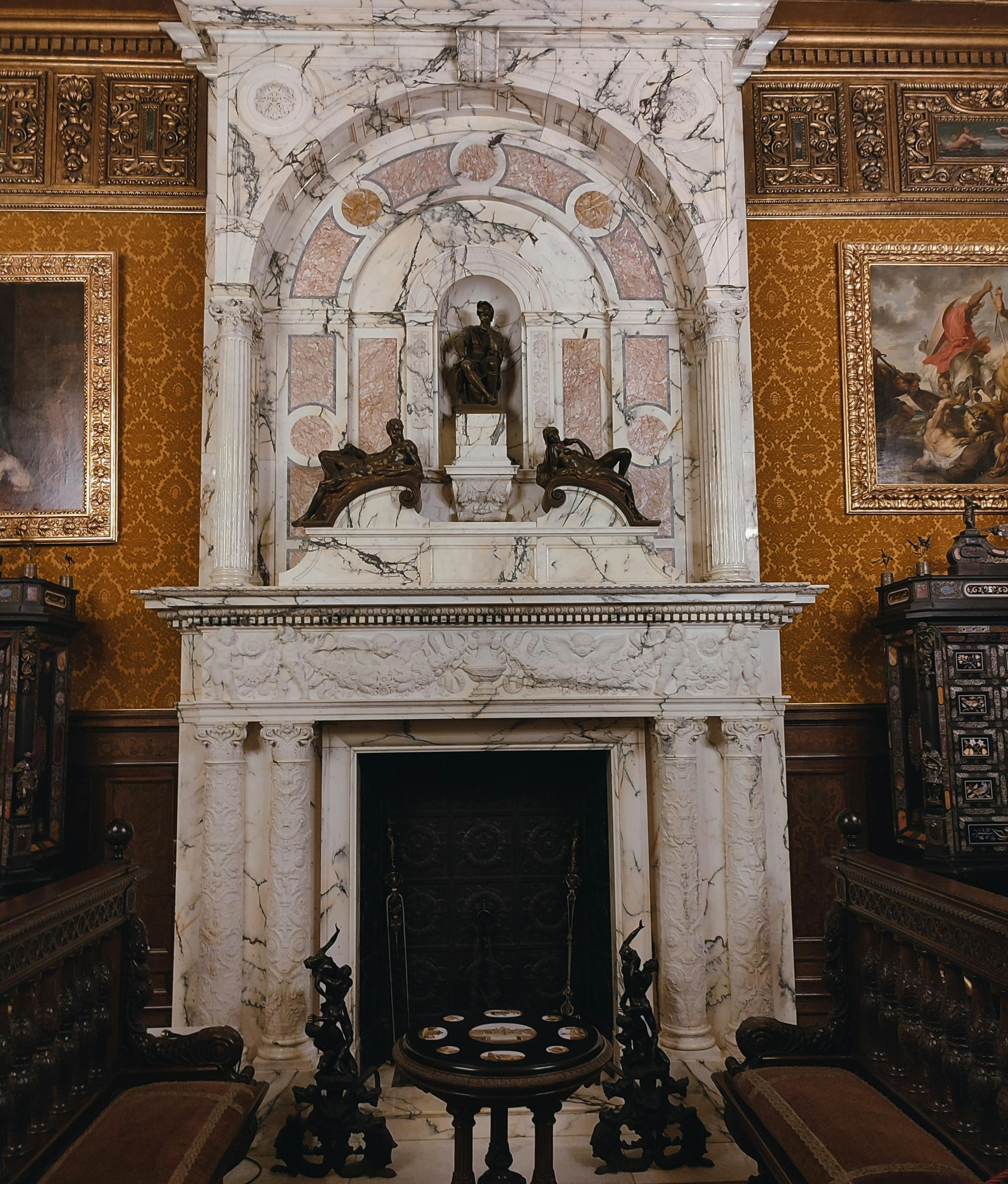 Photo Credit - Pexels.com - Princess ara Versabal
The Smoking Room: Designing for Ritual and Camaraderie
By the Victorian era, domestic architecture introduced another distinct form of male retreat: the smoking room. These spaces represented a shift in function from intellectual solitude to social relaxation.
Smoking rooms were often designed with a strong sense of mood. Rich textiles, deep upholstery, and saturated colors created environments that encouraged lingering conversation. Wood paneling remained common, but it was often paired with patterned rugs and upholstered walls that softened acoustics and enhanced comfort.
Lighting became more atmospheric. Low-level illumination, shaded lamps, and layered textures contributed to a sense of intimacy and enclosure. Furniture arrangements supported interaction—chairs angled toward one another, tables placed within easy reach, and circulation paths designed to accommodate movement without disrupting conversation.
The smoking room introduced an important concept still visible in modern retreat spaces: ritual. Whether lighting a cigar, playing cards, or sharing stories, the room existed to support repeated, meaningful actions.
Design Lesson:
Ritual shapes space. When a room is designed around recurring behaviors—conversation, gaming, relaxation—it develops a rhythm that strengthens its identity and usability.
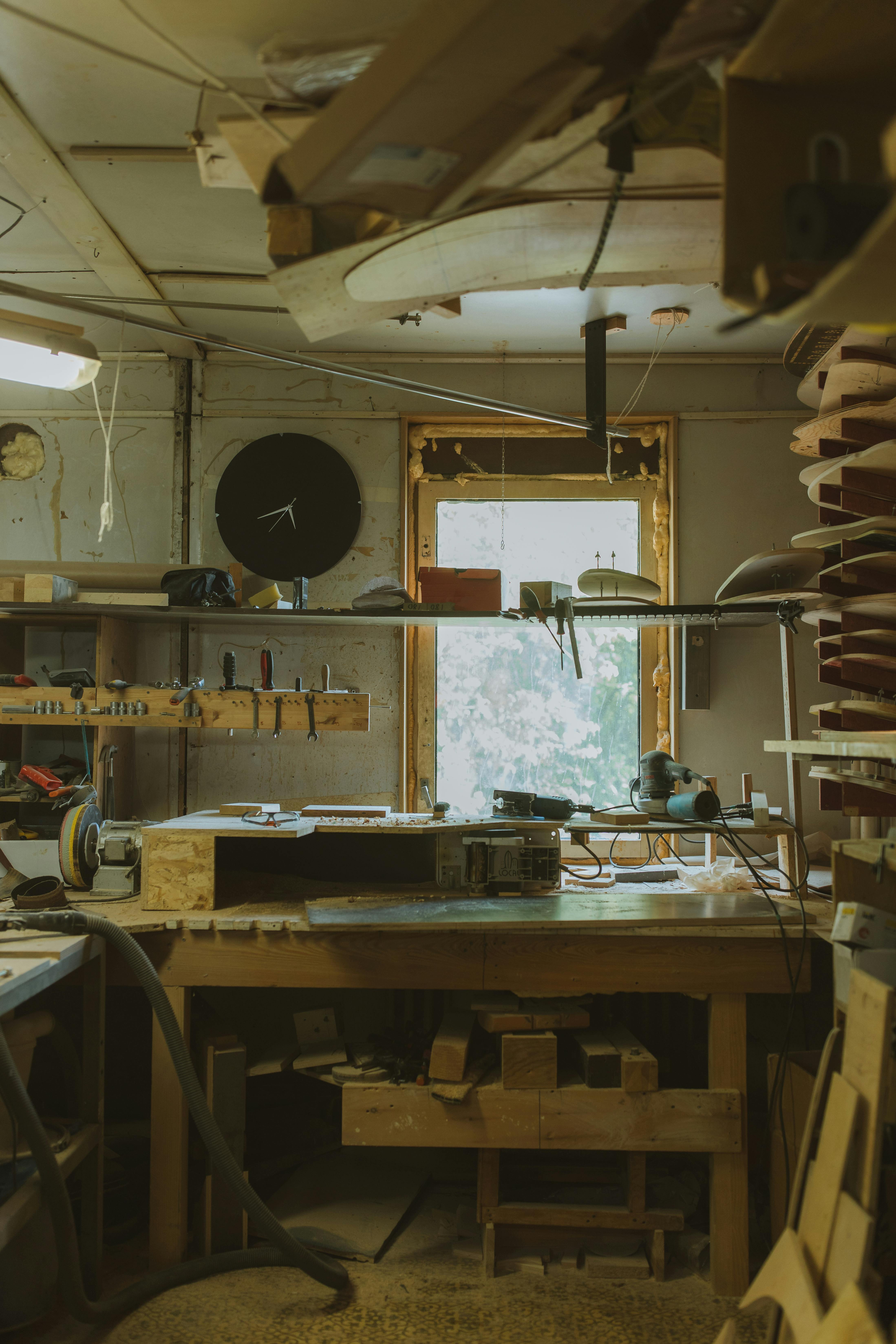
Photo Credit - Pexels.com - Yaroslav Shuraev
The Workshop and Basement: The Rise of Hands-On Retreat
In the 20th century, suburban development introduced new domestic zones that transformed the nature of male retreat spaces. Basements, garages, and utility rooms became fertile ground for hobby-driven environments.
Unlike earlier studies or smoking rooms, these spaces prioritized activity over contemplation. Workbenches replaced writing desks. Storage systems became essential design elements. Materials shifted toward durability—concrete floors, pegboard walls, and steel shelving reflected the functional demands of mechanical and craft work.
This era reinforced the connection between masculinity and making. Woodworking shops, model-building stations, and repair benches became sites of creativity and technical engagement. These environments were rarely decorative in the traditional sense, yet they possessed their own design logic—efficiency, accessibility, and resilience.
The workshop model introduced a lasting principle: retreat spaces do not need to be refined to be meaningful. They need to be purposeful.
Design Lesson:
Function establishes authenticity. Spaces designed around real activity feel more grounded and satisfying than those built purely around appearance.
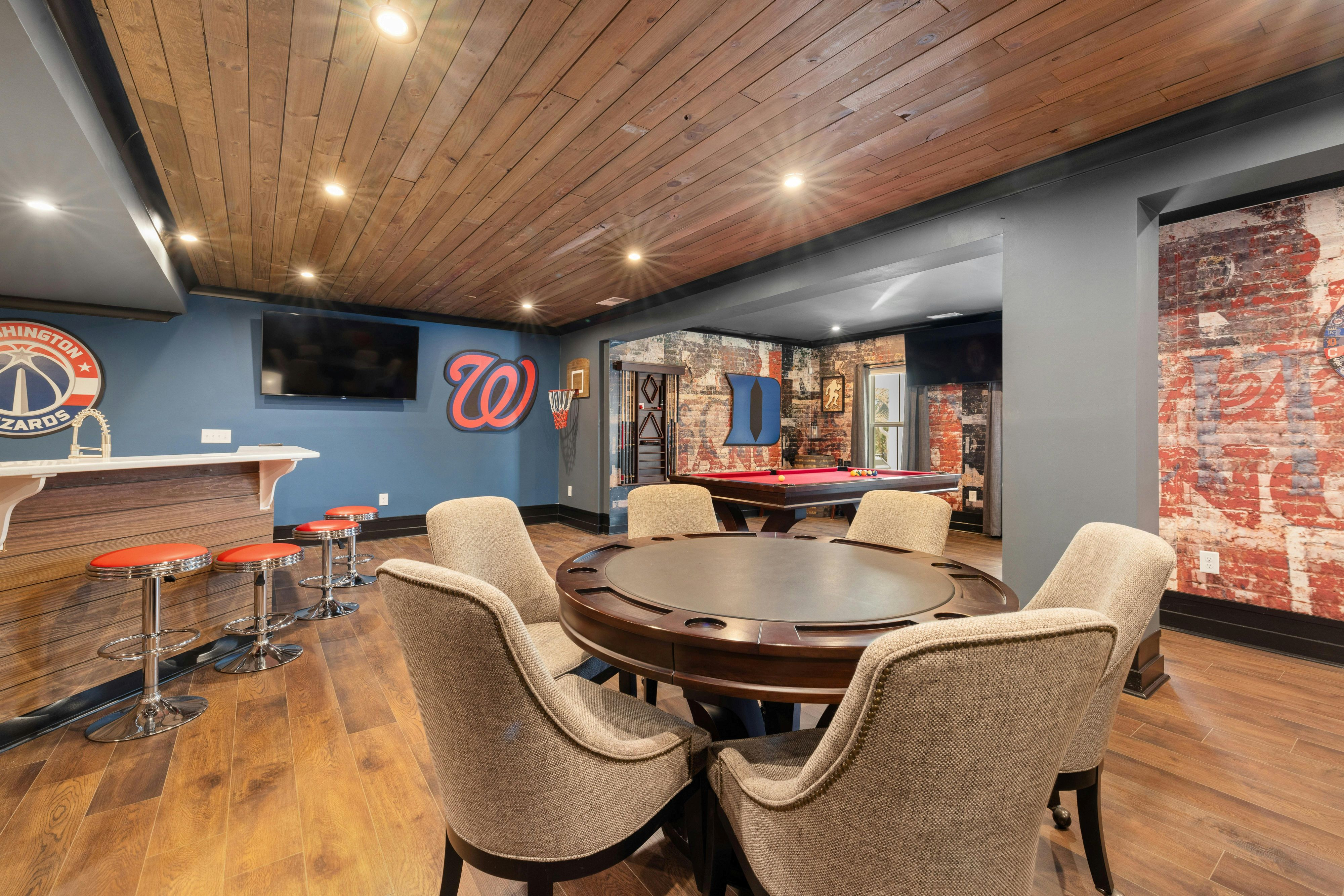 Photo Credit - Pexels.com - Curtis Adams
The Media-Driven Man Cave: Entertainment as Identity
The late 20th and early 21st centuries witnessed the cultural explosion of the “man cave” as a branded concept. Media and retail industries promoted themed entertainment spaces centered around sports, television, and leisure.
Televisions became focal points. Seating grew larger and more immersive. Beverage stations and game tables introduced elements of hospitality and recreation. Walls filled with memorabilia—team jerseys, vintage signs, framed photographs—transformed the room into a gallery of personal allegiance.
Yet even within these contemporary interpretations, the echoes of earlier retreat spaces remain visible. The enclosed atmosphere of the study persists. The social rituals of the smoking room endure. The functional focus of the workshop survives in gaming setups and hobby installations.
Where earlier versions emphasized intellectual or mechanical engagement, the modern man cave highlights entertainment and sensory immersion.
Design Lesson:
Identity drives design decisions. The most compelling retreat spaces express personal passion in visible, intentional ways.
 Photo Credit - Pexels.com - Sueda Dilli
Material Language: The Quiet Vocabulary of Masculine Retreat
Across centuries of design evolution, male retreat spaces share a consistent material vocabulary. These materials communicate durability, permanence, and tactile richness.
Wood remains a dominant presence—whether in paneling, furniture, or flooring. Leather adds comfort and patina. Metal introduces structure and contrast. Wool and woven textiles soften acoustics and enhance warmth. These elements collectively create environments that feel grounded and substantial.
Color palettes typically lean toward deeper tones—charcoal, navy, forest green, tobacco brown. These hues support enclosure and reduce visual stimulation, encouraging focus and relaxation.
Lighting, too, follows a recognizable pattern. Rather than relying on bright overhead illumination, retreat spaces favor layered light: task lighting for precision, ambient lighting for mood, and accent lighting for display.
The consistency of these materials across eras suggests that the design of retreat spaces responds not only to cultural norms but to sensory needs—comfort, quiet, and tactile satisfaction.
Design Lesson:
Material weight influences emotional weight. Heavier, tactile materials create psychological grounding that supports relaxation and retreat.
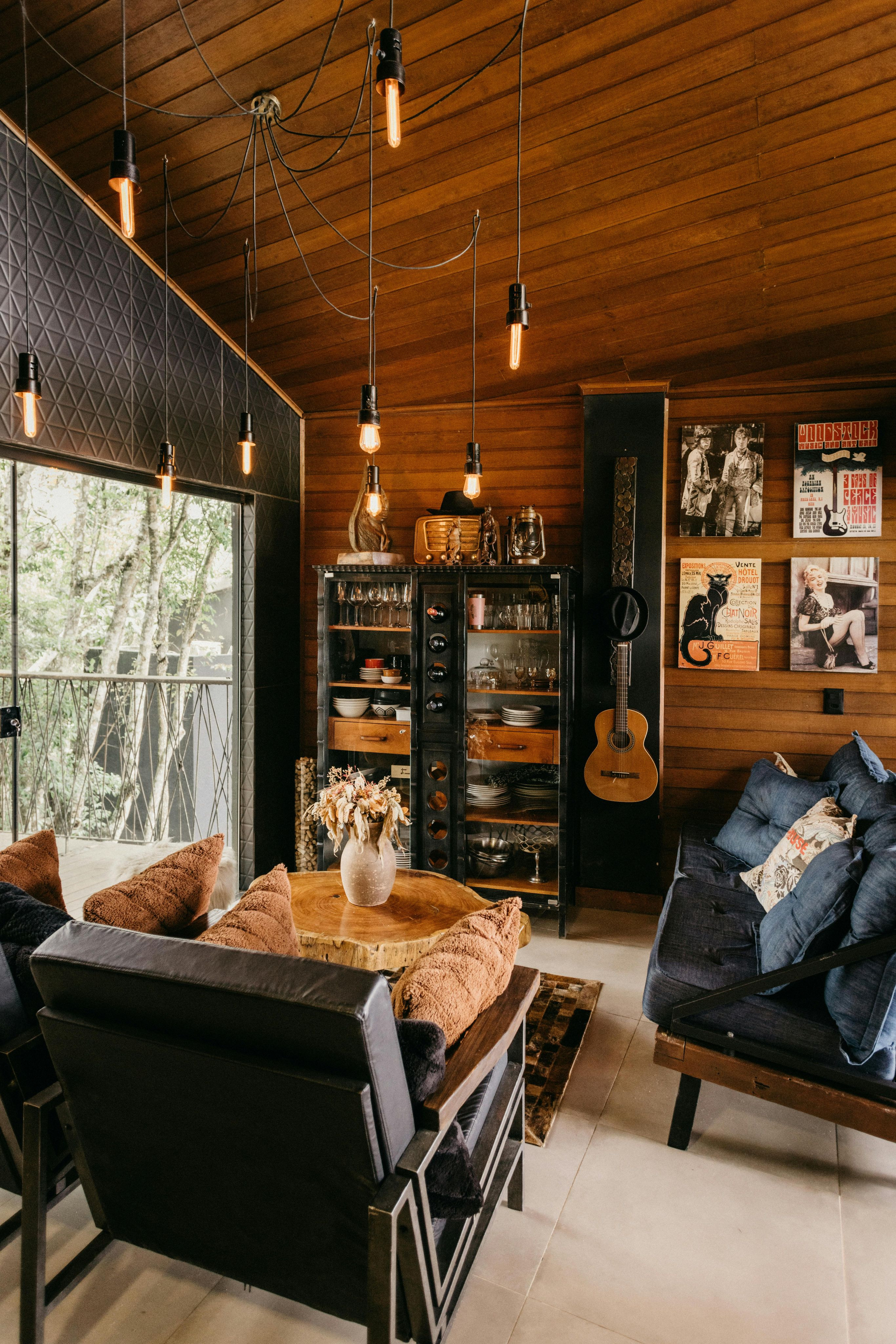
Photo credit - Pexels.com - Jonathan Borba
Spatial Psychology: Why Retreat Spaces Matter
At its core, the male retreat space is less about gender identity and more about spatial psychology. Humans require zones of withdrawal—places where attention can narrow and identity can be expressed without interruption.
Historically, men were often granted dedicated private rooms in domestic architecture, reinforcing the cultural acceptance of solitude. These rooms functioned as buffers between public responsibility and private restoration.
Today, the concept remains relevant even as lifestyles shift. Remote work, digital entertainment, and home-centered routines have renewed interest in dedicated retreat environments. Whether used for gaming, crafting, reading, or quiet reflection, these spaces support mental restoration through controlled sensory input.
Enclosure, reduced noise, and familiar surroundings create psychological safety. When thoughtfully designed, retreat spaces foster not isolation but renewal.
Design Lesson:
Retreat supports resilience. Spaces that allow controlled withdrawal contribute to long-term well-being and productivity.
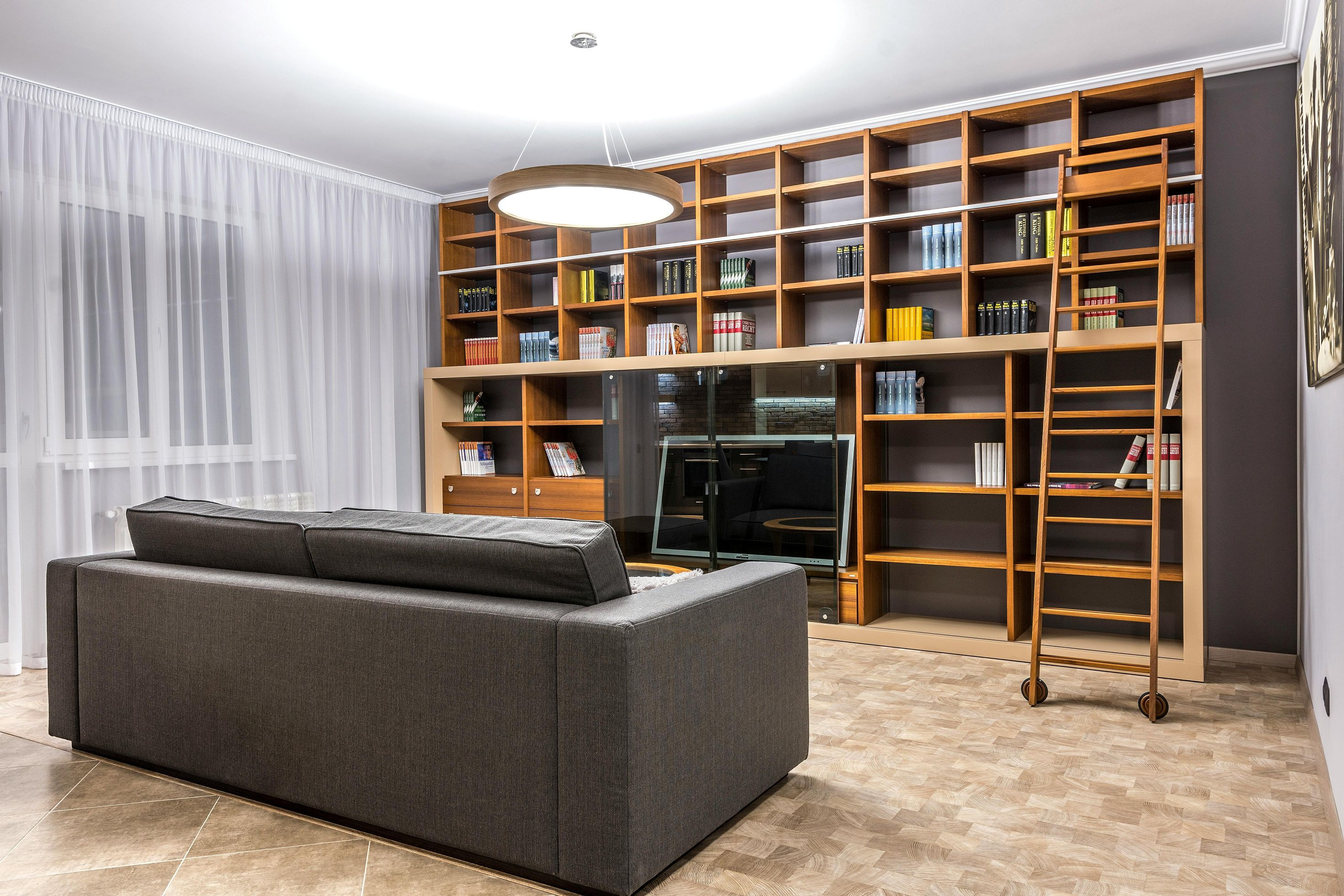
Photo Credit - Pexels.com - Max Vakhtbovych
Rethinking the Modern Man Cave
The contemporary challenge is not whether to design male retreat spaces, but how to elevate them beyond novelty. While themed décor has its place, the most enduring retreat environments are those grounded in thoughtful spatial planning rather than surface decoration.
Modern interpretations increasingly blend technology with craftsmanship. Soundproofing panels improve acoustic control. Integrated storage conceals clutter. Custom millwork transforms hobby collections into curated displays. Lighting systems adapt to different activities, shifting from focused work to relaxed viewing.
These upgrades reflect a broader movement toward intentional design—spaces that support real behavior while maintaining visual cohesion.
The most successful modern man caves are not loud caricatures of leisure. They are carefully composed environments that balance comfort, identity, and function.
Design Lesson:
Refinement elevates experience. Thoughtful detailing transforms casual spaces into enduring environments.
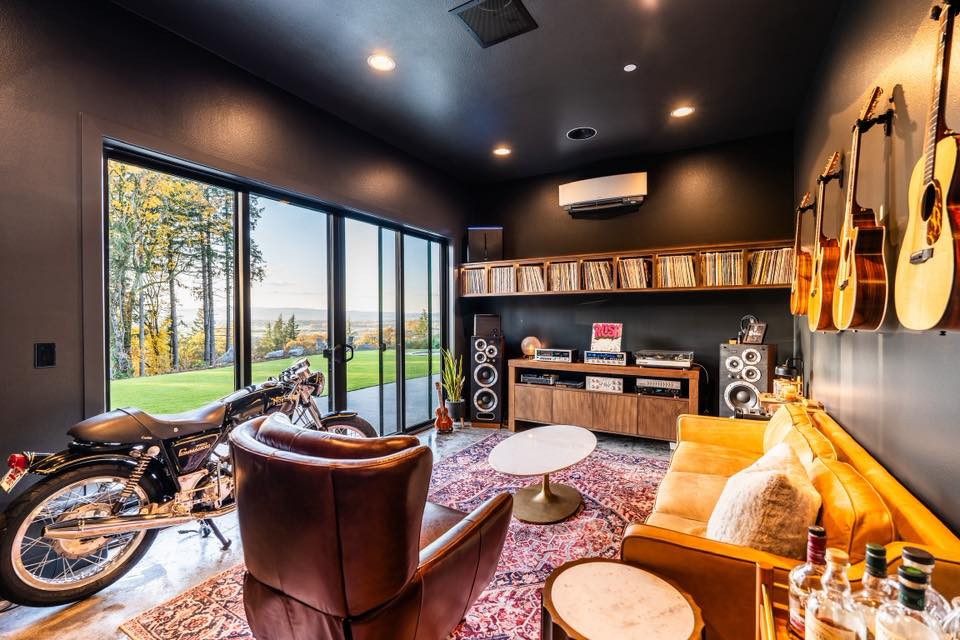
Photo Credit - Found on Man Cave Community Facebook page
The Enduring Role of Personal Territory
Perhaps the most revealing insight about male retreat spaces is their consistency across time. Whether expressed through a gentleman’s study, a Victorian smoking room, a basement workshop, or a modern entertainment lounge, the core objective remains unchanged: to create personal territory within shared space.
These rooms function as markers of autonomy. They provide environments where interests can flourish without compromise and where personal narratives can unfold visually and spatially.
Understanding this continuity helps designers move beyond superficial interpretations of the man cave. Instead of treating it as a cultural joke or design afterthought, it becomes a legitimate architectural tradition worthy of thoughtful execution.
In the end, the story of male retreat spaces is not merely about furniture or décor. It is about the human need for ownership, reflection, and restoration—needs that continue to shape the homes of today.
Design Lesson:
Territory fosters belonging. When individuals have dedicated spaces that reflect their interests, the entire home functions more harmoniously.