Introduction: Why European Modernism Still Shapes the American Home
Residential interior design trends rarely appear in isolation. Instead, they evolve over time, shaped by cultural shifts, technological innovation, and changing expectations around how people live in their homes. Many of the design approaches shaping U.S. residential interiors today—open plans, restrained palettes, sculptural furniture, and a renewed emphasis on comfort—can be traced directly back to European modernist movements that emerged more than a century ago.
What began as radical experimentation in early 20th-century Europe has become an intuitive and enduring design language for contemporary homes. For today’s interior designers, understanding these European roots offers more than historical context. It provides clarity on why certain trends resonate with modern homeowners and how to apply them thoughtfully, with depth and authenticity rather than surface-level imitation.
Clean Lines and Visual Restraint: The Bauhaus Legacy
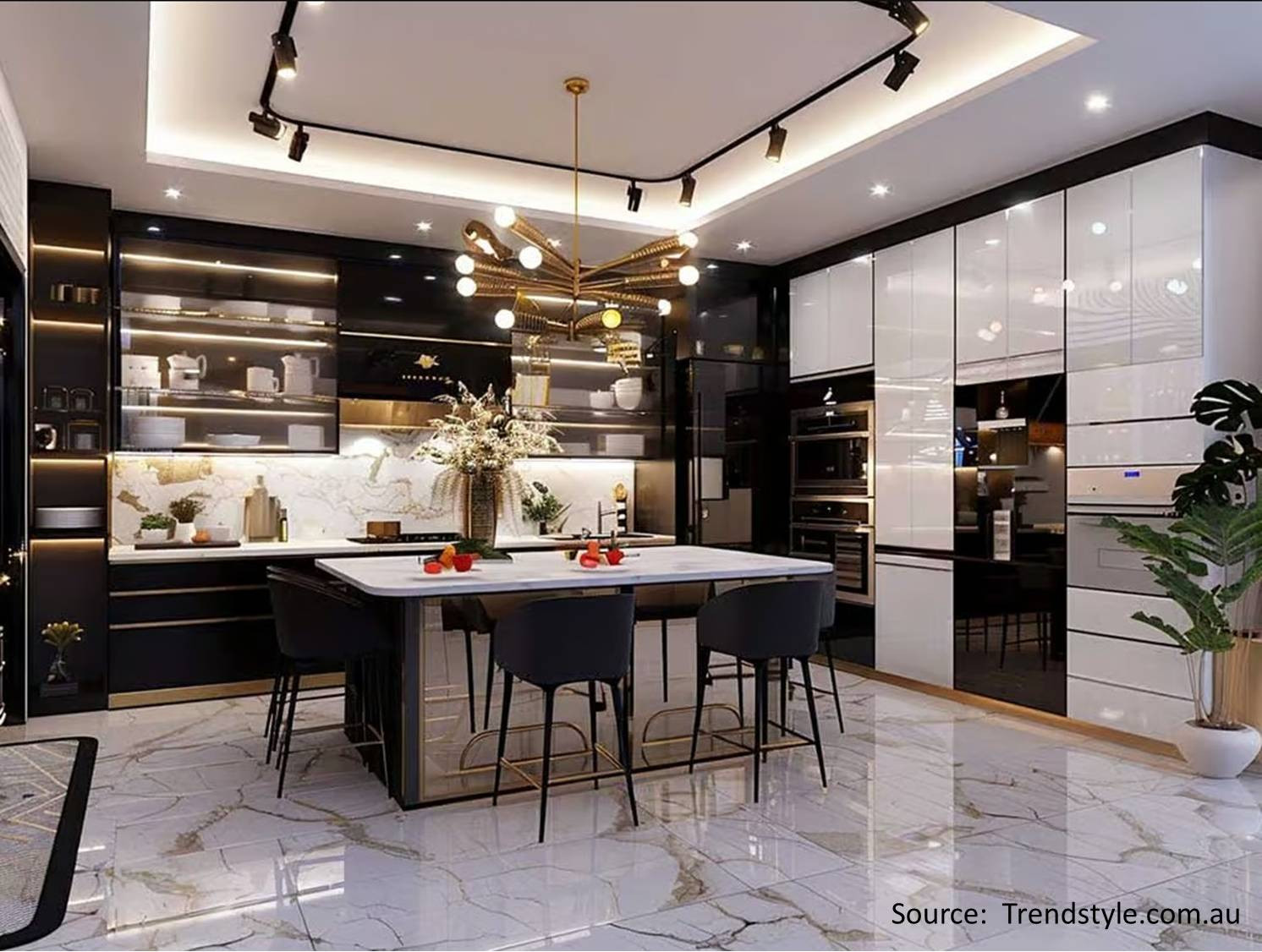
One of the most consistent throughlines between European modernism and today’s residential interiors is the preference for clean lines, visual clarity, and purposeful design. These ideas stem directly from the Bauhaus, where form was always guided by function and excess was intentionally eliminated.
In contemporary homes, this influence appears in streamlined kitchens, simplified millwork profiles, and architectural detailing that prioritizes proportion over ornament. Flat-panel cabinetry, integrated appliances, concealed hardware, and uninterrupted surfaces all reflect Bauhaus ideals—even when designers or clients do not explicitly reference the movement.
Importantly, Bauhaus-inspired restraint does not mean cold or austere spaces. Instead, it creates a framework that allows materials, light, and spatial relationships to take center stage. For residential designers, this legacy offers a timeless approach to creating homes that feel calm, legible, and highly livable.
Open Plans and Flexible Living: A European Response to Modern Life
European modernists were among the first to challenge rigid room divisions, questioning whether traditional layouts truly supported modern living. As cities became denser and lifestyles more fluid, designers advocated for open, adaptable interiors that could evolve alongside their occupants.
Today’s open-plan residential layouts—where kitchens, dining areas, and living spaces flow together—are a direct descendant of this thinking. Beyond openness, flexibility has become a defining trend in contemporary homes. Designers increasingly incorporate multifunctional rooms, movable partitions, and furniture that supports multiple uses throughout the day.
This adaptability mirrors the original European modernist goal: to design interiors that respond to real human behavior rather than prescribe it. In an era of remote work, multigenerational households, and shifting daily routines, these principles feel more relevant than ever.
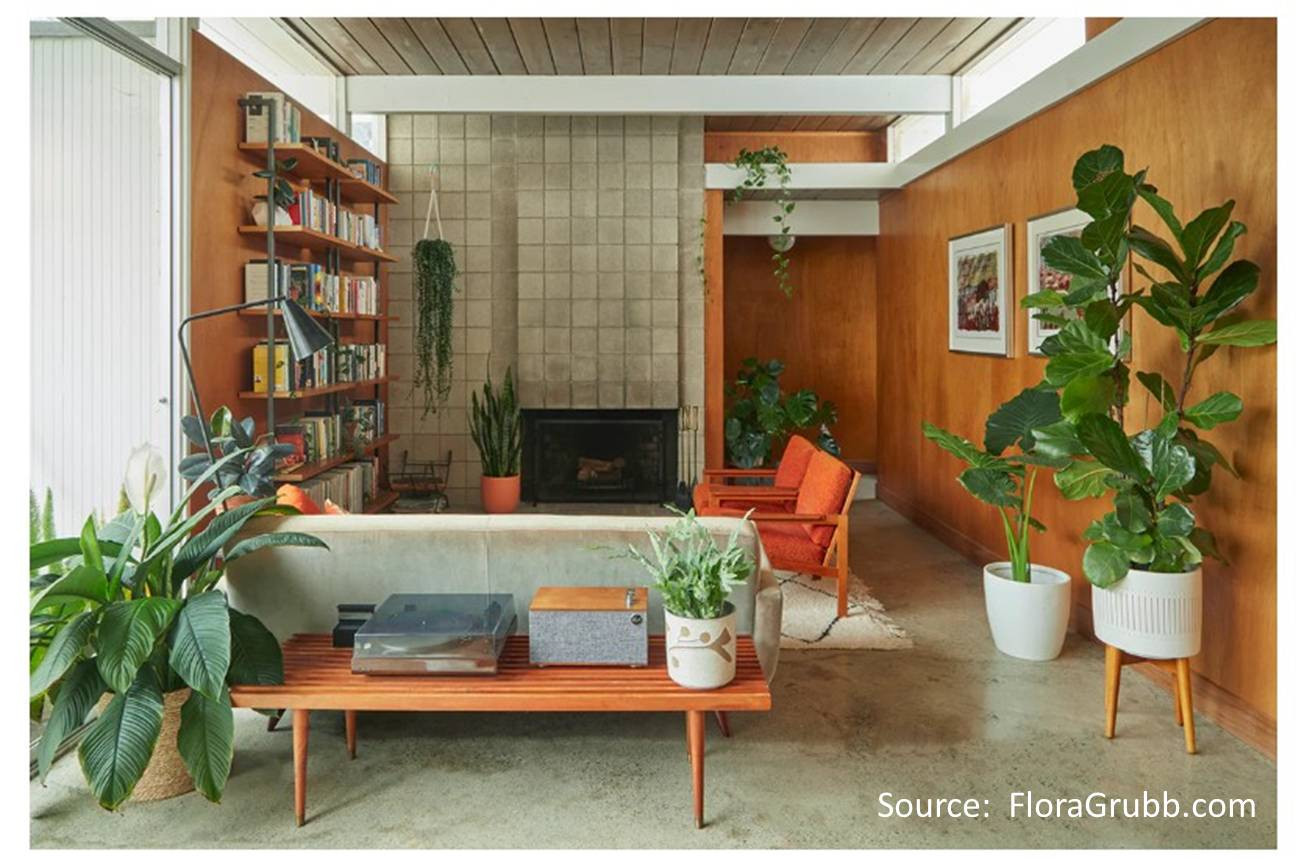
Natural Materials and Comfort: Scandinavian Modernism Reimagined
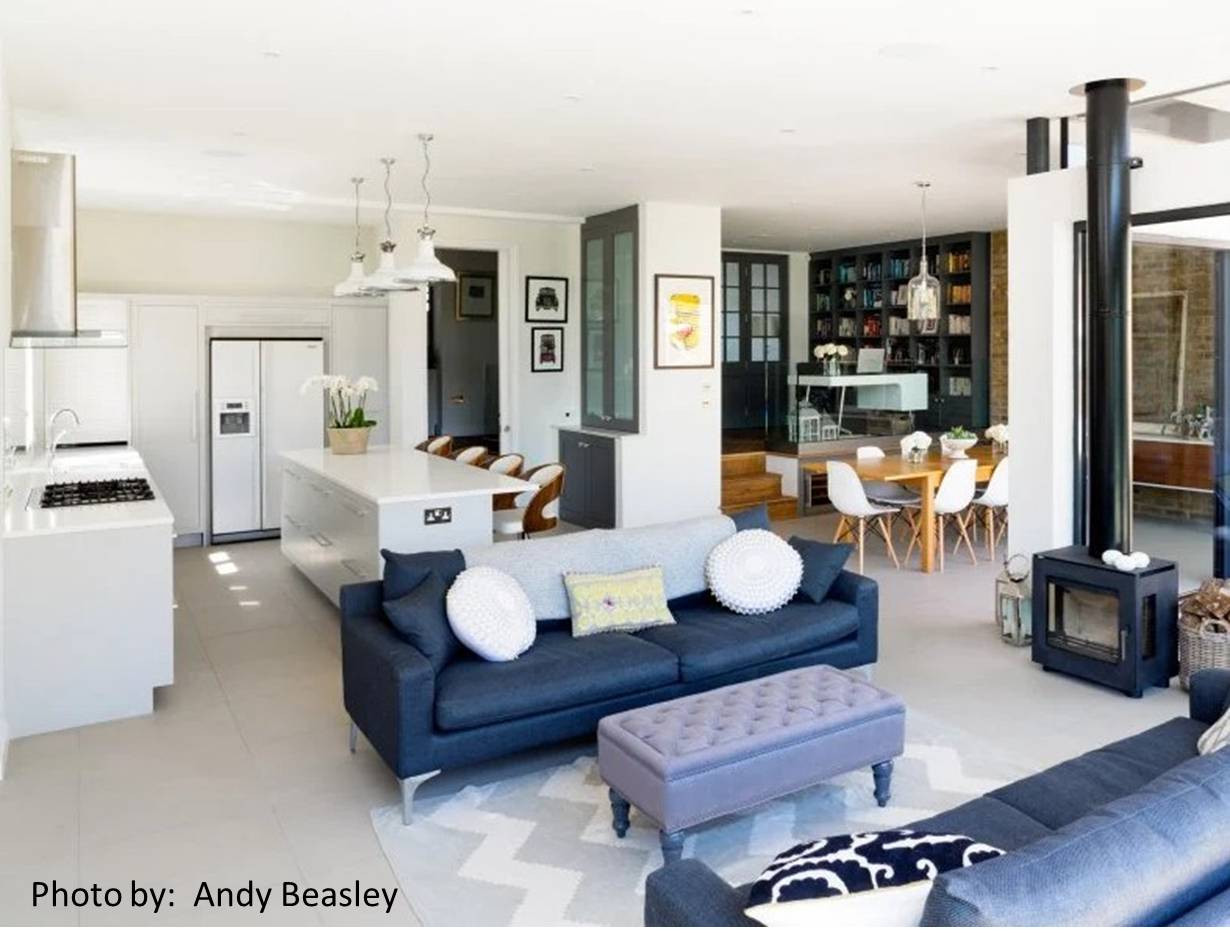
If the Bauhaus emphasized rationality, Scandinavian modernism brought emotional intelligence to modern interiors. Emerging in the Nordic countries, this movement prioritized comfort, craftsmanship, and a deep connection to nature—values that continue to shape residential design trends today.
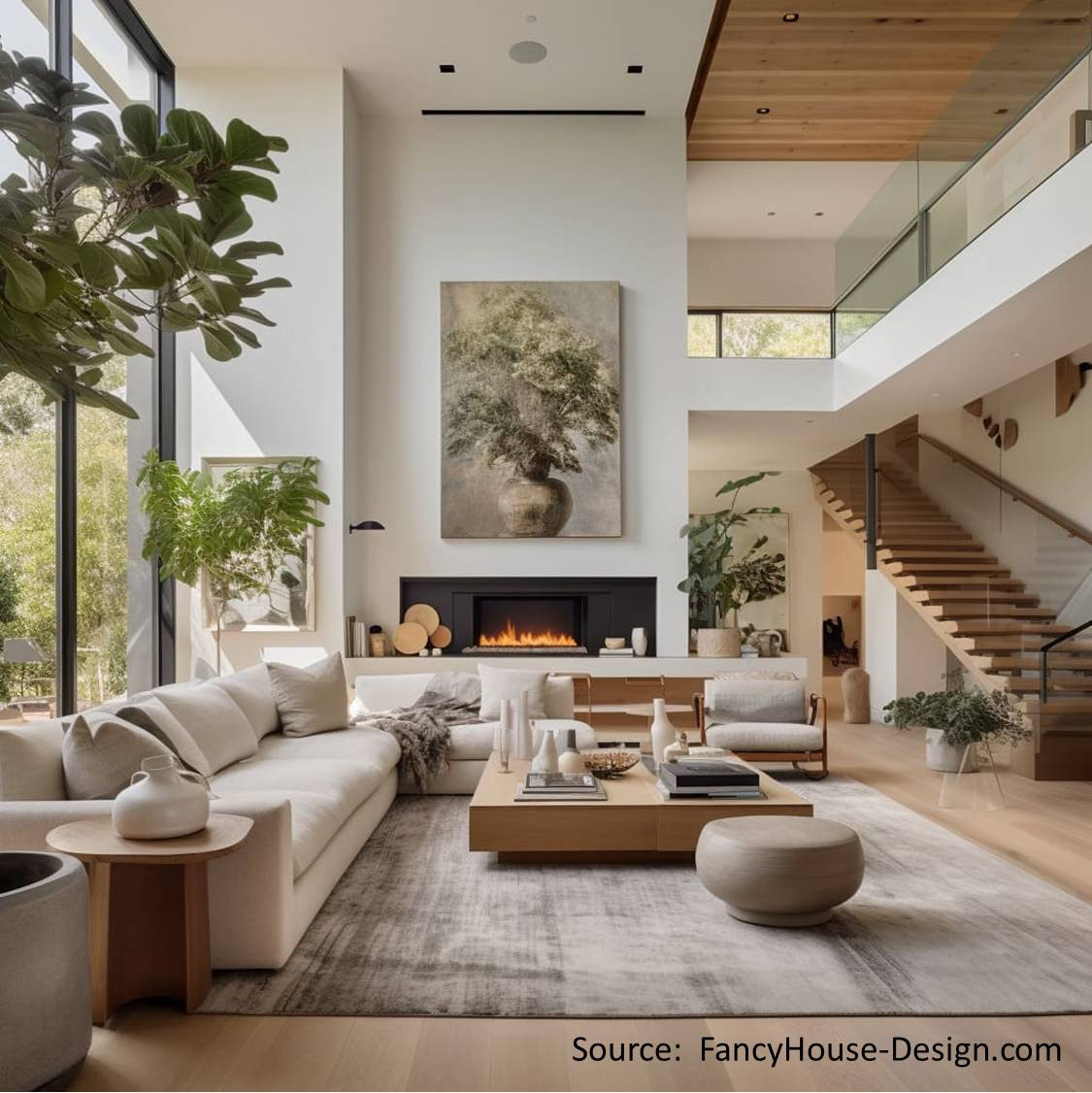
The current popularity of warm minimalism, biophilic design, and wellness-focused interiors draws directly from Scandinavian precedents. Light-toned woods, stone, wool, linen, and leather create spaces that feel grounded and tactile rather than purely visual. Large windows, layered lighting, and soft transitions between spaces further reinforce this human-centered approach.
For residential designers, Scandinavian modernism offers a reminder that simplicity and comfort are not opposites. When thoughtfully executed, modern interiors can feel both refined and deeply welcoming.
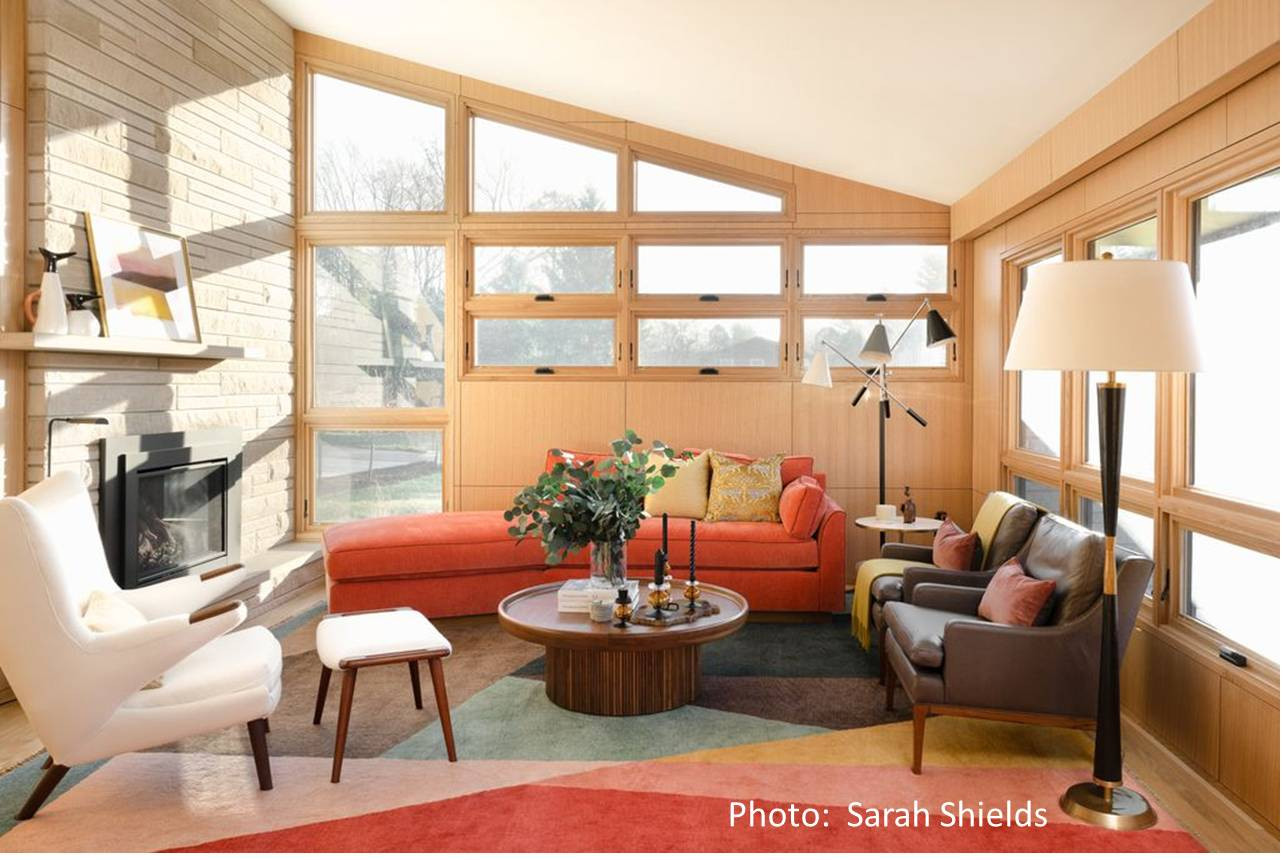
Sculptural Furniture and Expressive Forms: Italian Influence Today
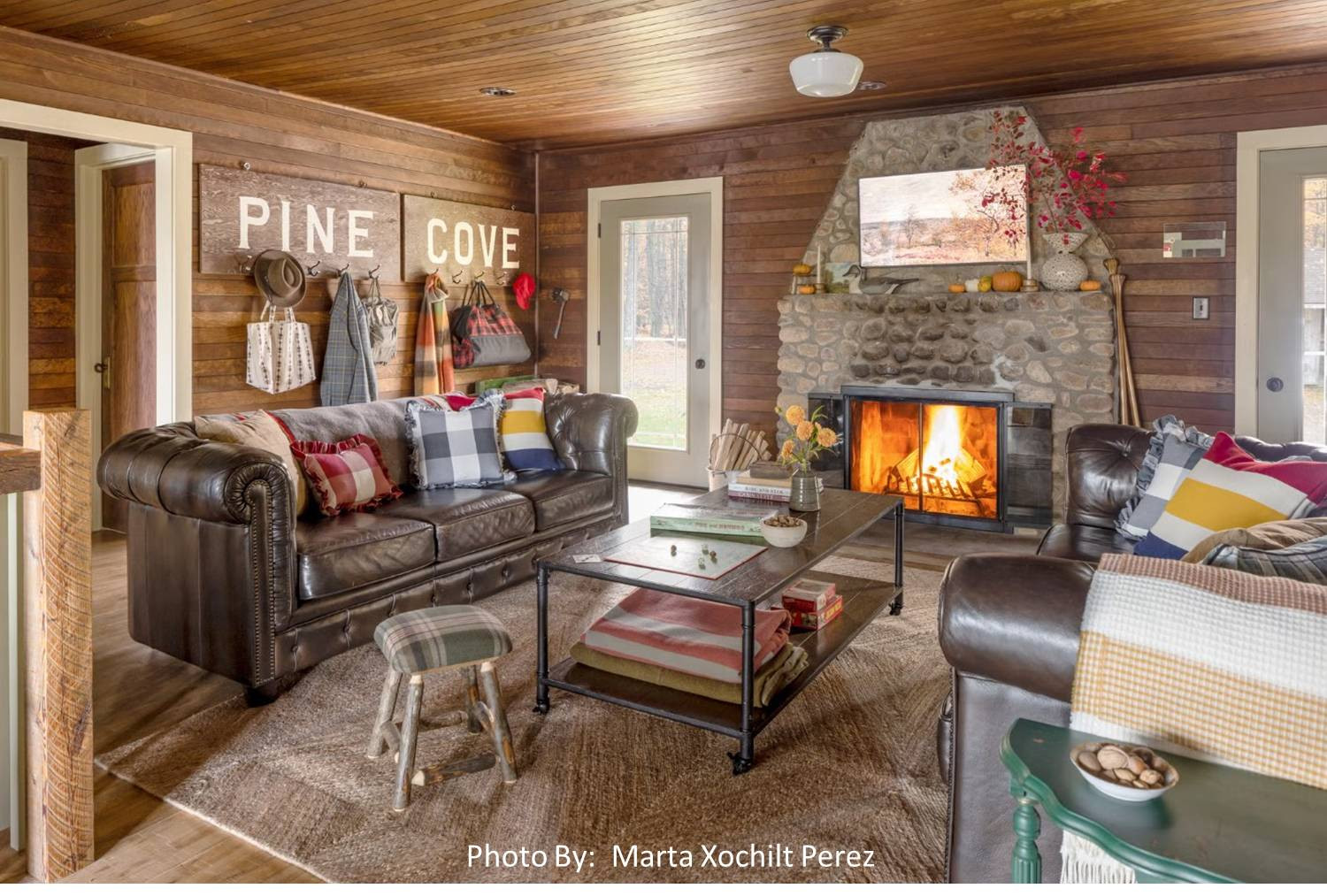
While many European modern movements favored restraint, Italian modernism expanded the emotional and aesthetic range of modern interiors. Italian designers embraced experimentation, exploring how new materials, innovative forms, and expressive silhouettes could coexist with functional design.
In today’s residential interiors, this influence appears through sculptural sofas, curved seating, statement lighting, and furniture that doubles as functional art. These pieces often serve as focal points within otherwise restrained spaces, adding personality without overwhelming the overall composition.
Italian modernism demonstrated that residential interiors could be both disciplined and expressive—a lesson contemporary designers continue to apply when balancing minimal architecture with distinctive furnishings.
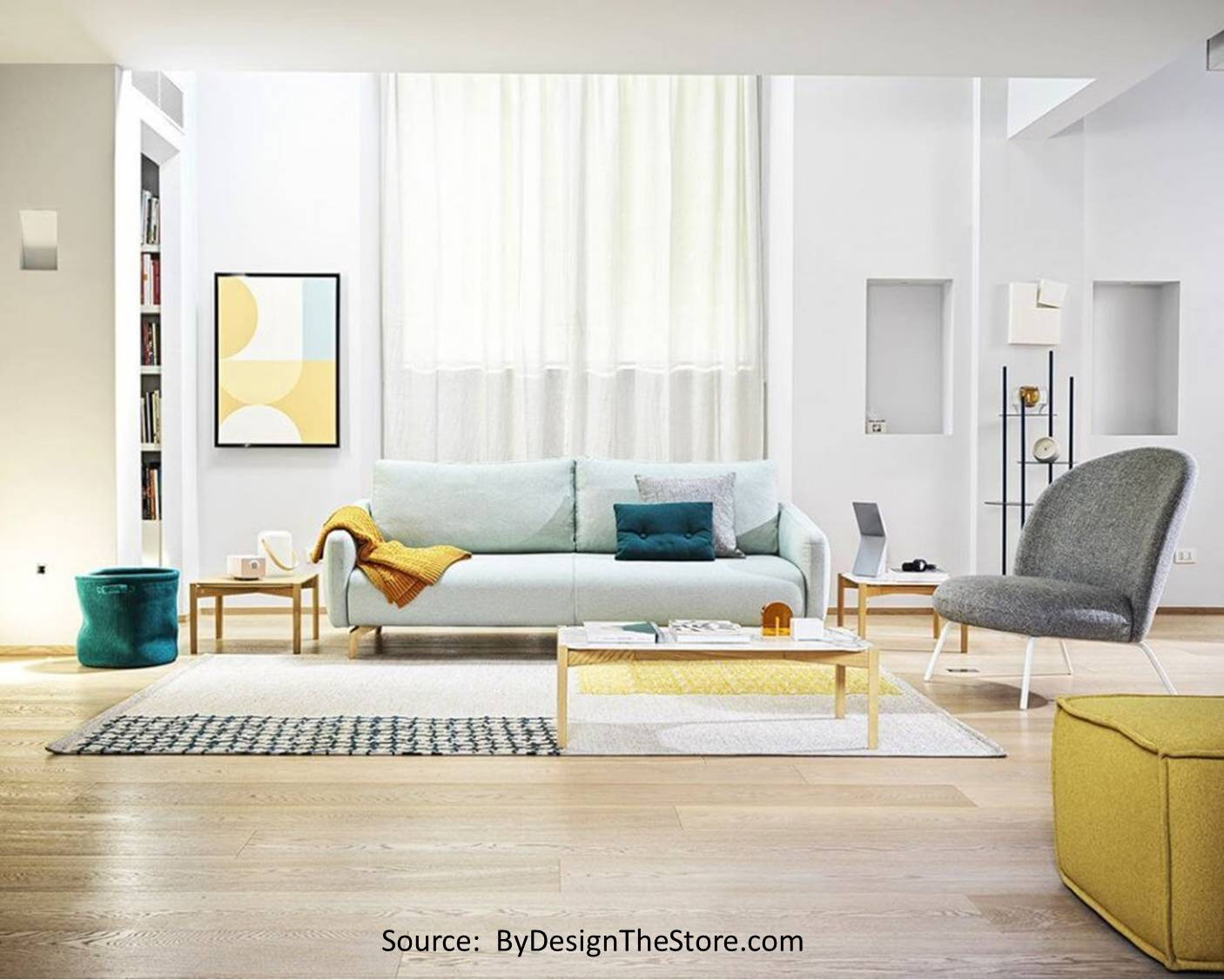
Color, Contrast, and Composition: Lessons from De Stijl
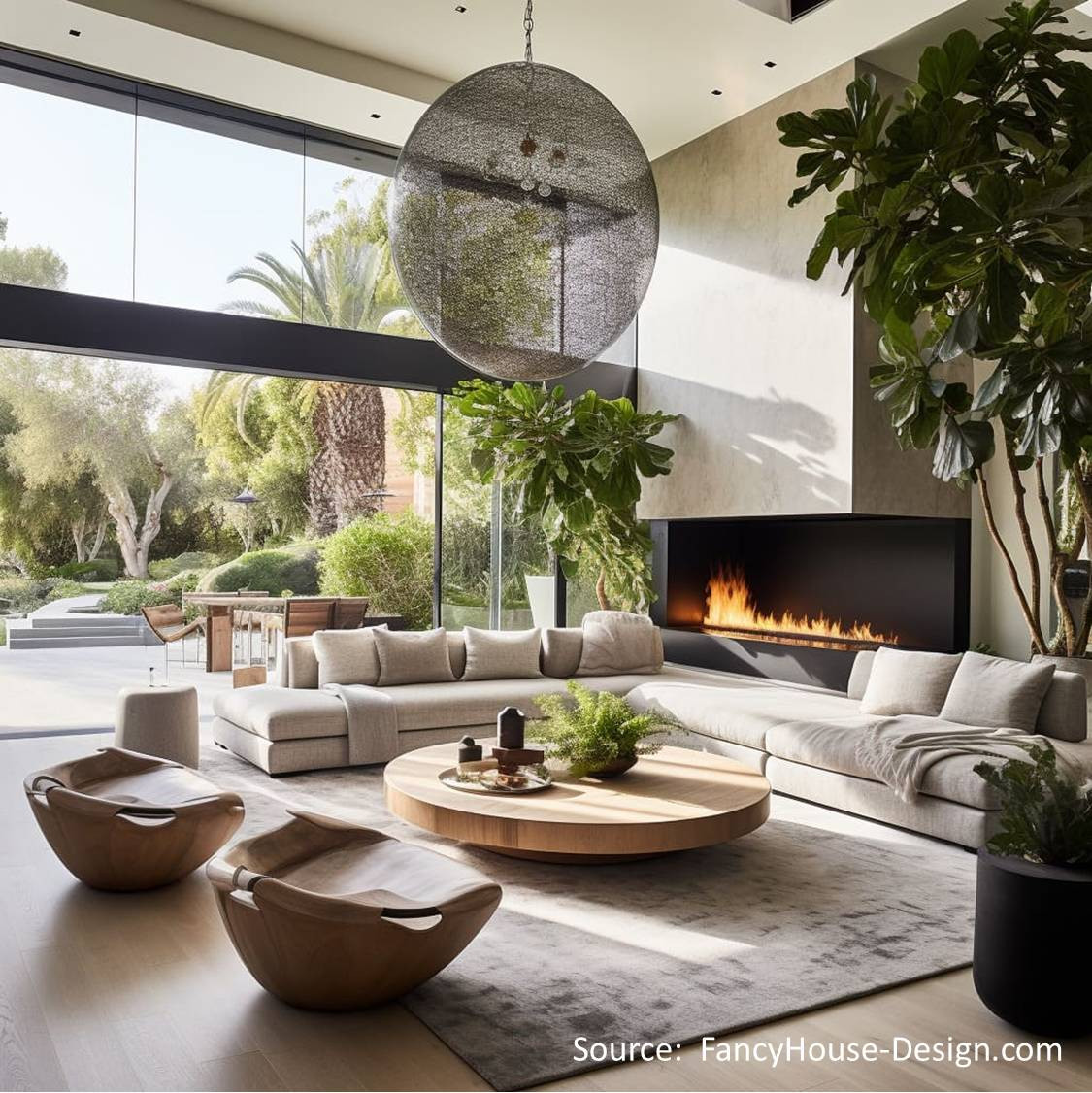
Although De Stijl was visually radical in its original form, its influence on residential interiors today is often subtle and highly refined. The movement’s emphasis on spatial composition, contrast, and intentional placement continues to inform how designers define zones and create visual rhythm within open-plan homes.
Rather than bold primary colors, contemporary interiors often interpret De Stijl principles through tonal contrast, material variation, and controlled accent hues. Light and dark finishes, matte and gloss surfaces, and carefully placed color moments help guide movement through space while maintaining cohesion.
For residential designers, these lessons support interiors that feel dynamic yet balanced—spaces that engage the eye without sacrificing calm.
Built-Ins, Custom Storage, and Practical Beauty
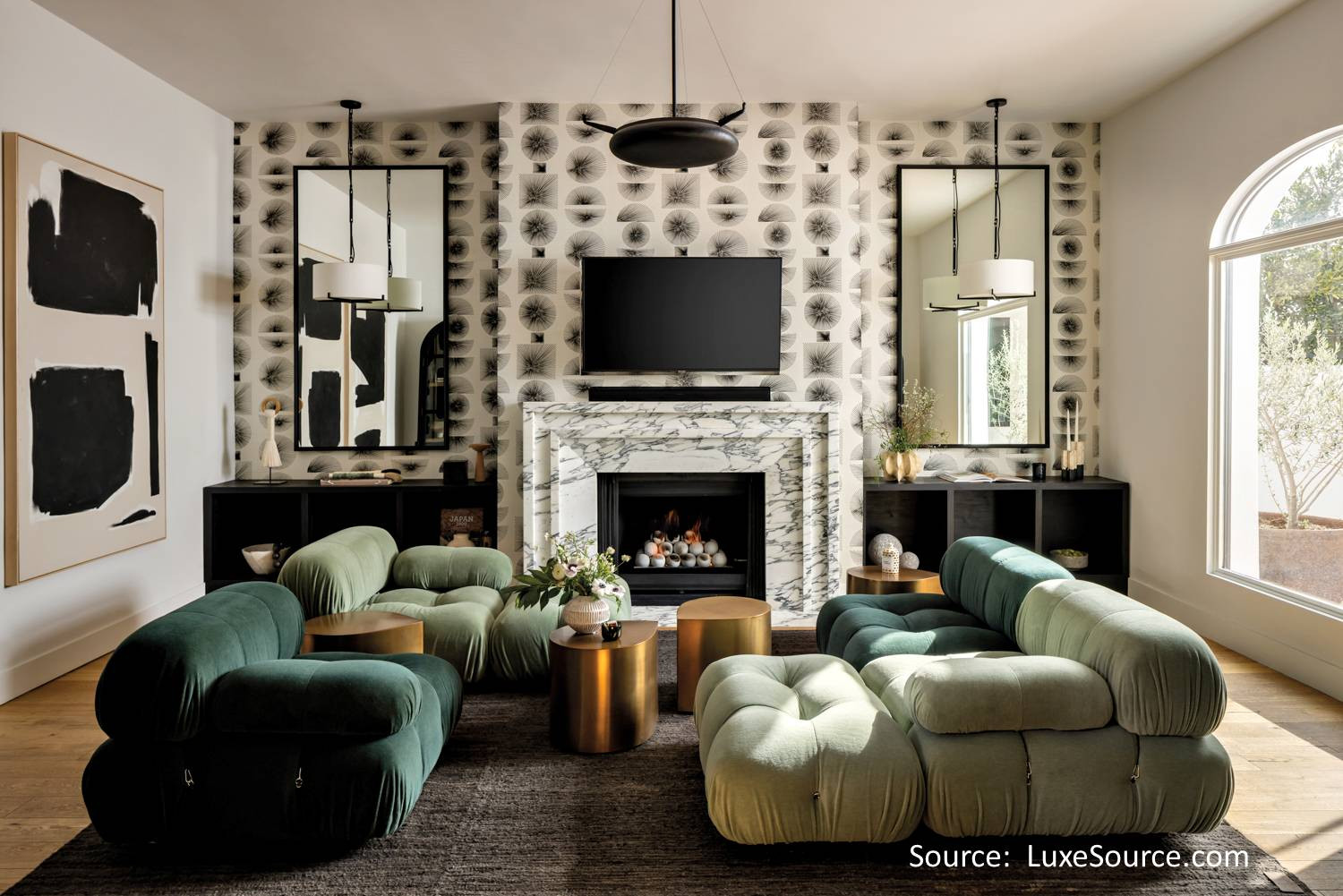
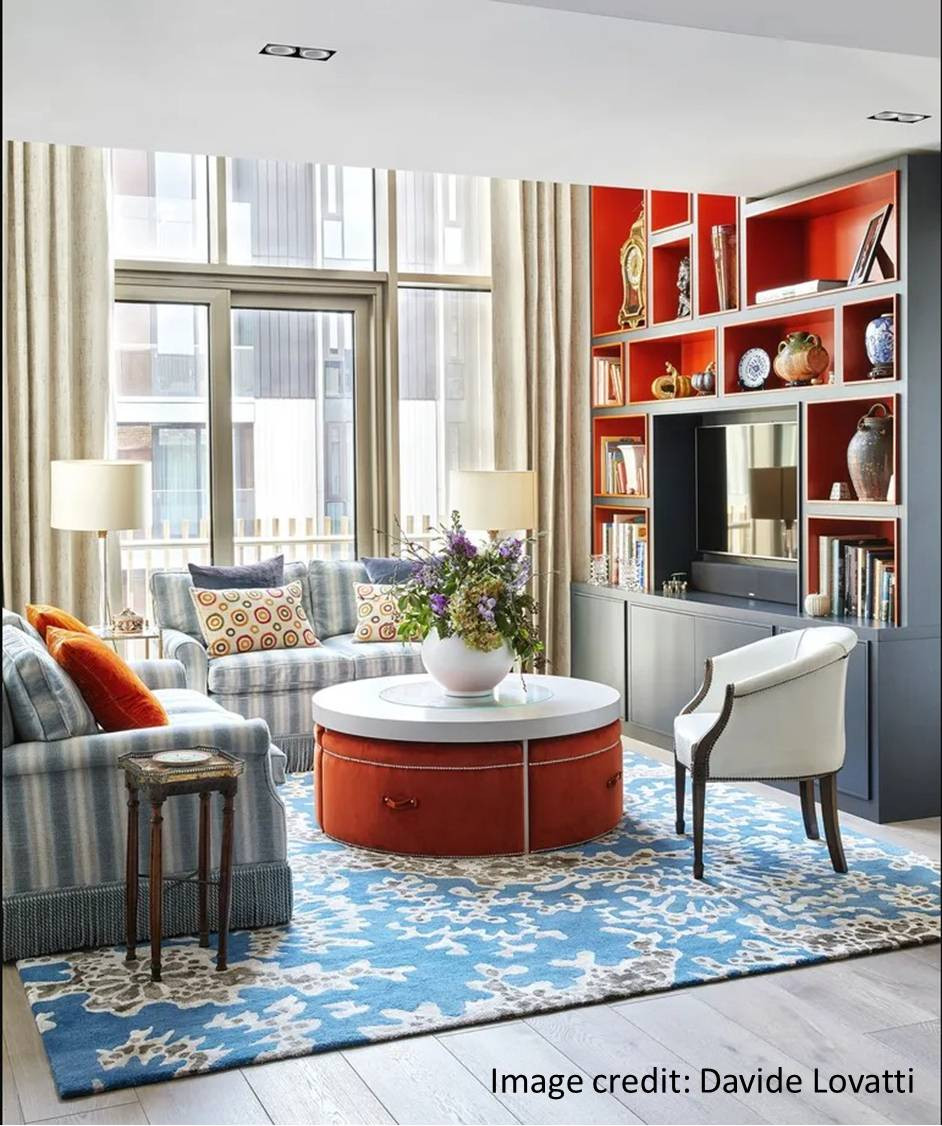
European modern designers believed that interiors should solve everyday problems gracefully. This philosophy lives on in today’s emphasis on custom millwork, built-in storage, and tailored architectural solutions.
From wall-to-wall shelving and integrated benches to concealed closets and multifunctional cabinetry, storage has become a design feature rather than a compromise. These elements enhance both visual clarity and daily usability, reinforcing the idea that beauty and practicality are deeply connected.
This approach resonates strongly with homeowners seeking spaces that feel intentional, efficient, and personal—core values inherited from European modernism.
Sustainability and Longevity: A Modern Interpretation of European Values
European modernism emphasized durability, quality materials, and thoughtful production—principles that align closely with today’s sustainability-focused residential trends. Contemporary designers increasingly prioritize fewer, better pieces; timeless finishes; and layouts designed to adapt over time.
This shift reflects a broader return to European modern values, reframed through modern concerns about environmental responsibility and mindful consumption. Homes are designed not just for immediate impact, but for longevity, repairability, and long-term relevance.
Conclusion: Designing Forward by Looking Back
The most compelling residential interiors today are not driven solely by trends—they are grounded in enduring principles. European modernist movements laid the foundation for many of the design approaches shaping U.S. homes now, from spatial flexibility and material honesty to human-centered comfort and expressive restraint.
For interior designers, understanding these European roots enables more intentional decision-making and richer storytelling for clients. By designing forward with an awareness of the past, today’s residential interiors can feel both unmistakably current and timeless – spaces that evolve with modern living while remaining firmly rooted in ideas that truly last.