
Image by fxquadro on Freepik
Introduction - Designing for Pause in an Always-On Culture
The modern built environment is optimized for activity—movement, productivity, interaction, and stimulation. Yet human performance and well-being depend equally on the ability to withdraw, recalibrate, and restore. This tension has elevated the retreat space from a niche luxury to a critical design typology.
Today’s clients—whether homeowners, employers, hoteliers, or civic planners—are increasingly aware that environments must support both engagement and disengagement. Retreat spaces provide that counterbalance. They are not simply “quiet rooms,” but strategic interventions that shape emotional states, regulate sensory input, and support cognitive recovery.
For designers, this presents an opportunity to move beyond aesthetics into experience design—crafting environments that intentionally shift how a user feels, thinks, and behaves.
Design Lesson - A retreat space is not defined by size or location—it is defined by how effectively it shifts the user’s state of mind. It succeeds when it changes the user’s internal state within moments of entry.
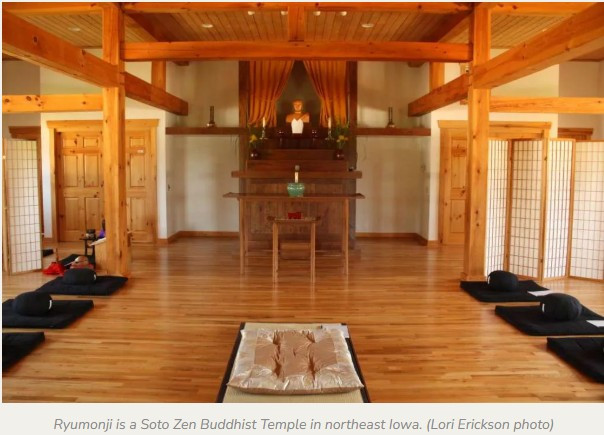
A Brief History of Retreat Spaces
The idea of retreat is deeply rooted in human history. Monastic cloisters in medieval Europe were among the earliest purpose-built environments for contemplation and withdrawal. Similarly, Japanese tea houses (chashitsu) were designed as intentional spaces of simplicity and mindfulness, emphasizing ritual, proportion, and material honesty.
In residential architecture, Victorian-era homes often included parlors or sitting rooms intended for quiet conversation and reflection. Meanwhile, 20th-century modernism introduced open-plan living, which—while liberating—reduced opportunities for privacy and retreat.
The 20th century’s embrace of open-plan living and working environments deprioritized enclosure and privacy, often at the expense of psychological comfort. The current resurgence of retreat spaces can be understood as a recalibration— a corrective response - a rebalancing of openness with intimacy, stimulation with calm into increasingly exposed environments.
Design Lesson - The most compelling retreat spaces reinterpret historical principles— simplicity, enclosure, ritual, and sensory restraint—for contemporary life.
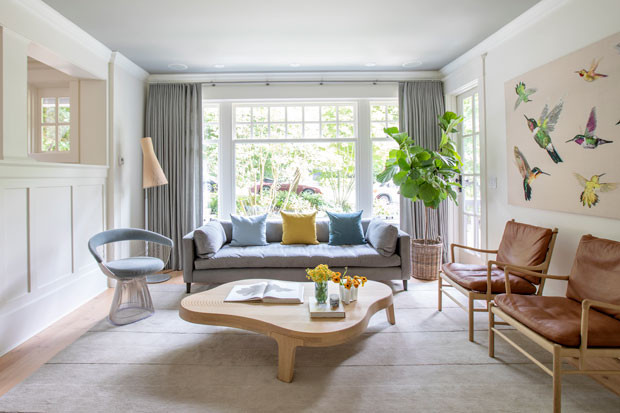
Photo Credit - Janis Nicolay
Why Retreat Spaces Are Increasing in Popularity
Several cultural and behavioral shifts are driving demand.
Remote and hybrid work require environments that support both collaboration and solitude
Mental wellness awareness has elevated the importance of restorative environments
Urban density increases the need for psychological escape, even in small footprints
Experience-driven design in hospitality and retail prioritizes emotional connection
Across sectors, retreat spaces are now viewed as value-add features rather than optional amenities.
Design Lesson - Retreat spaces are no longer secondary—they are strategic differentiators in design.
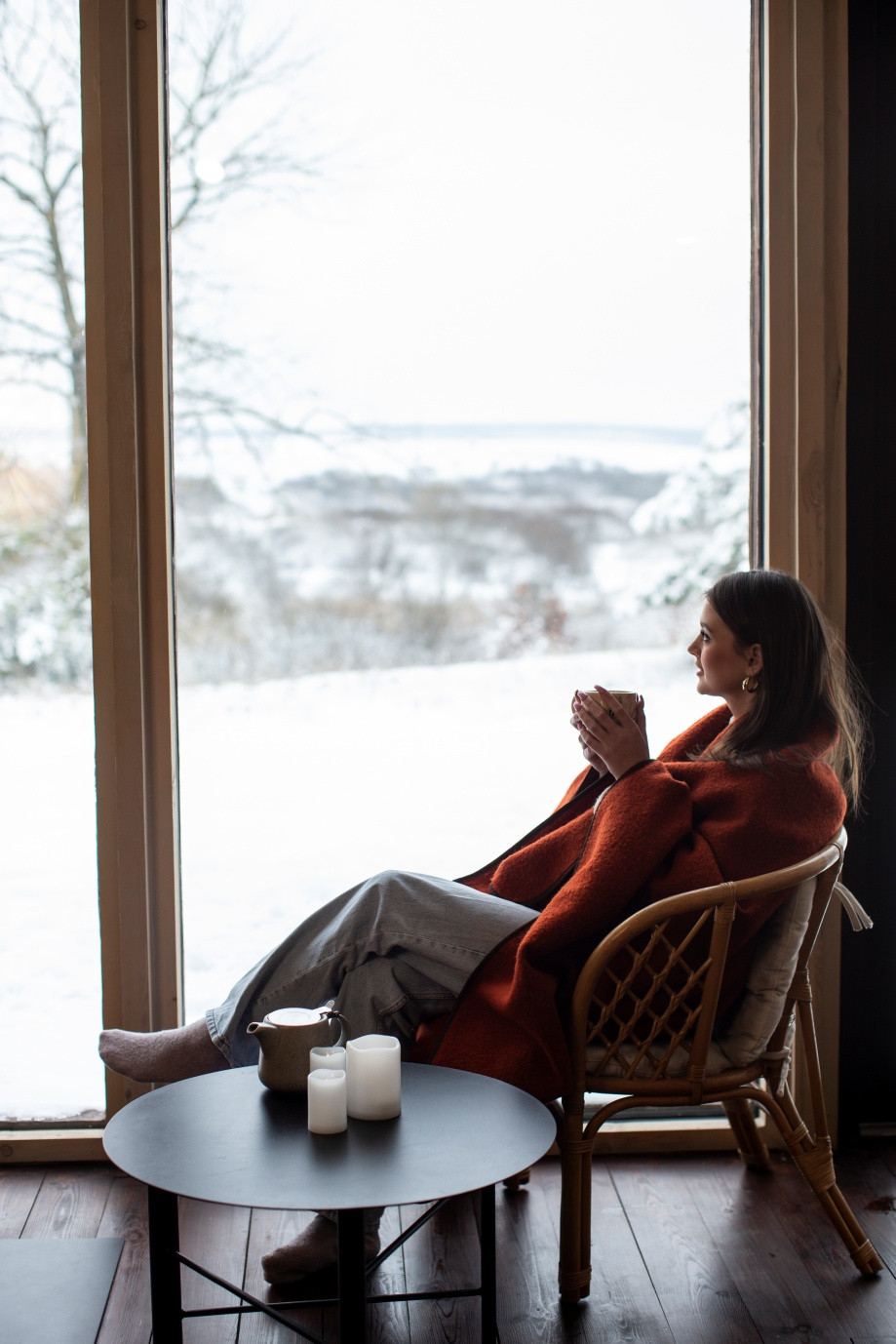
Image by Freepik
Designing Retreat Spaces by Sector
Residential - Personalized Restoration
In residential environments, retreat spaces are deeply personal. They reflect individual rituals—morning coffee, evening reading, meditation, or simply a moment of solitude away from shared household activity.
Best Uses
- Reading, journaling, creative thinking
- Meditation, prayer, breath work
- Screen-free decompression zones
- Micro-retreats within primary suites (window niches, lounge corners)
Design Strategies
- Layered lighting (ambient + task + soft accent)
- Circadian lighting - Incorporate tunable lighting to support natural rhythms
- Soft, tactile materials (linen, wool, boucle)
- Micro-zoning - Use millwork, ceiling treatments, or level changes to carve out space without adding walls
- Acoustic softening - Upholstery, drapery, and rugs to dampen household noise
- View framing - Orient seating toward curated views (garden, sky, artwork)
Design Lesson - The most successful residential retreat spaces feel discovered, not designed.
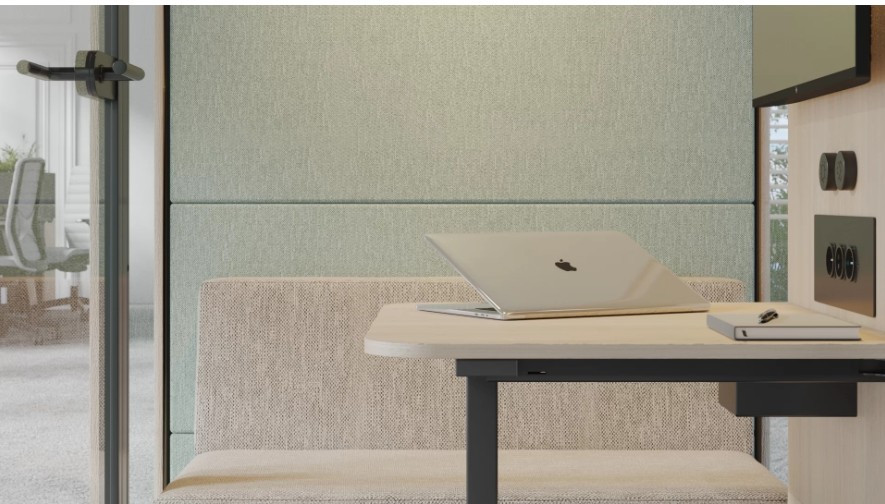
Photo Credit - Narbutas.com
Commercial - Productivity Through Recovery
Workplace design has shifted from maximizing density to supporting performance. Retreat spaces support both productivity and employee well-being. These spaces range from quiet pods to wellness rooms and informal lounges and offer employees control over their environment.
Best Uses
- Deep focus work requiring minimal distraction
- Emotional decompression after high-stress interactions
- Mental reset between meetings
- Private virtual meetings or calls
- Neurodiverse-friendly environments
Design Strategies
- Acoustic controls: NRC-rated materials, panels, upholstery, sound masking, and spatial buffering
- Choice ecosystems: Provide a range of retreat typologies (pods, lounges, enclosed rooms)
- Biophilic integration: Natural light, greenery, and organic materials to reduce stress
- Provide flexible furniture that supports multiple postures.
- Ensure workplace culture supports use of retreat spaces without stigma
Design Lesson - A retreat space that is not culturally supported will remain visually appealing but functionally unused. In commercial design, retreat spaces should reduce cognitive load, not add visual complexity.
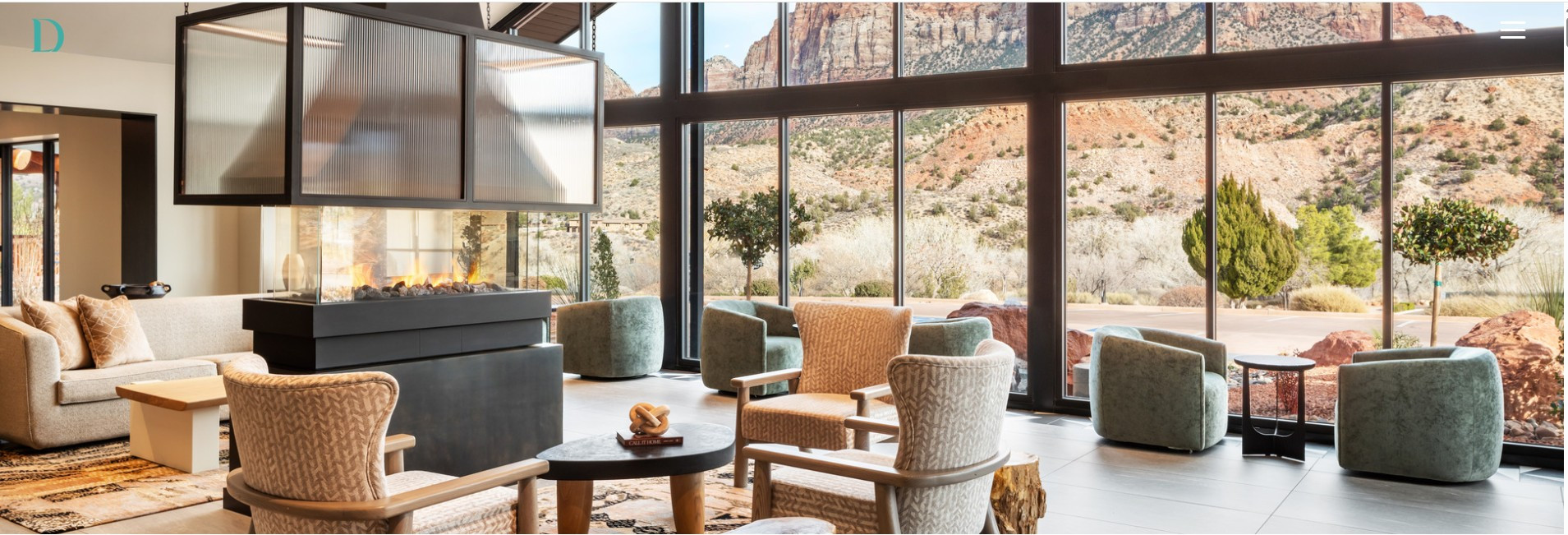
Photo Credit - dyelot.com
Hospitality - Designing Memorable Escape
Hotels and resorts have long embraced the concept of retreat, but today’s guests expect more nuanced, personalized experiences. Retreat spaces extend beyond spas into guest rooms, lobbies, and outdoor environments.
Best Uses
- Spa and wellness environments
- Relaxation and rejuvenation
- Quiet lounges within lobbies
- Private outdoor terraces or garden rooms
- In-room retreat zones beyond the bed
Design Strategies
- Sensory layering: Layer scent, sound, light, and texture to guide emotional response
- Strong narrative design: Align retreat spaces with brand story (wellness, locality, heritage)
- Threshold moments: Use transitions—corridors, lighting shifts, material changes—to signal entry into retreat
- Privacy gradients: Offer varying levels of seclusion within shared environments
Design Lesson - In hospitality, retreat is not just provided—it is staged and experienced as a journey. They succeed when they engage all five senses without overwhelming t hem.
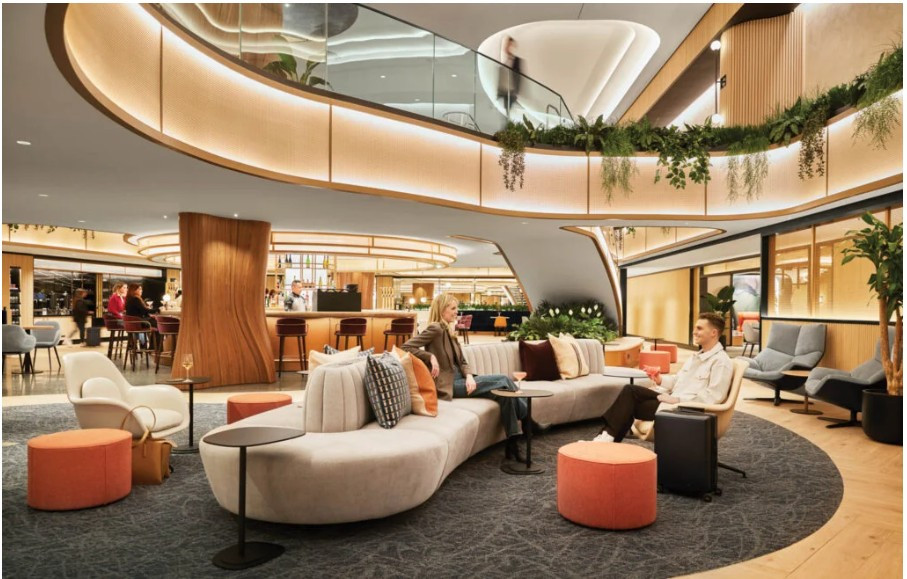
Sapphire Lounge - LaGuardia Airport Photo Credit - InteriorDesigns.net
Public Spaces - Inclusive Calm in Shared Environments
Libraries, airports, museums, and healthcare facilities increasingly incorporate retreat spaces to support diverse user needs. These areas provide moments of calm within high-traffic environments and offer moments of dignity, calm, and accessibility.
Best Uses
- Quiet waiting areas in airports
- Quiet reading zones in libraries
- Reflection spaces in healthcare settings
- Sensory-friendly environments in museums and airports
- Transitional decompression areas in transit hubs
Design Strategies
- Universal design: Ensure accessibility for all ages and abilities
- Durable calm: Select materials that are both robust and visually soothing
- Clear signaling: Use lighting, signage, and spatial cues to indicate quiet zones
- Safety + visibility balance: Provide enclosure without compromising security
Design Lesson - In public spaces, retreat design must balance accessibility, durability, and emotional comfort while balancing openness and protection to feel both safe and accessible.
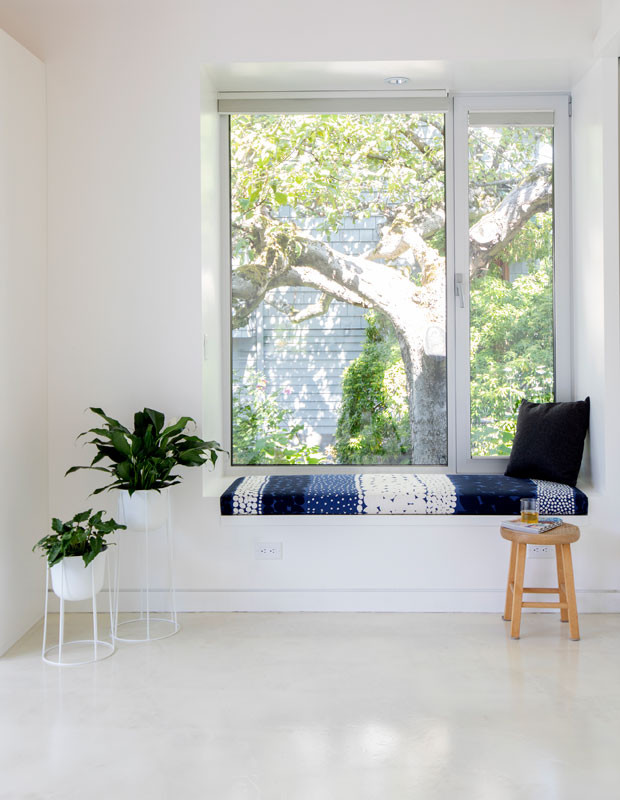
Photo Credit - Janis Nicolay
Core Design Principles: A Framework for Practice
Sensory Control
Control over light, sound, and texture allows users to shift their experience. Dimmable lighting, acoustic dampening, and tactile materials are essential.
Spatial Definition
Create a gradient from active to quiet zones. Retreat spaces should feel intentionally set apart, even within open plans. They benefit from a sense of enclosure—achieved through screens, level changes, or furniture arrangement.
Material Authenticity and Restraint
Natural, tactile materials—wood, stone, linen—reinforce a sense of calm and connection. A limited material palette fosters calm. Avoid excessive pattern or visual noise.
Human Scale and Proportion
Design for intimacy. Lower ceiling treatments, smaller footprints, and proportionate furnishings enhance comfort. Smaller, enclosed volumes foster psychological comfort and a sense of refuge.
User Agency
Whenever possible, give users control over lighting, seating, or privacy.
Design Lesson - Retreat spaces are most effective when they remove stimuli rather than add it. Remove noise, distraction, and visual clutter.
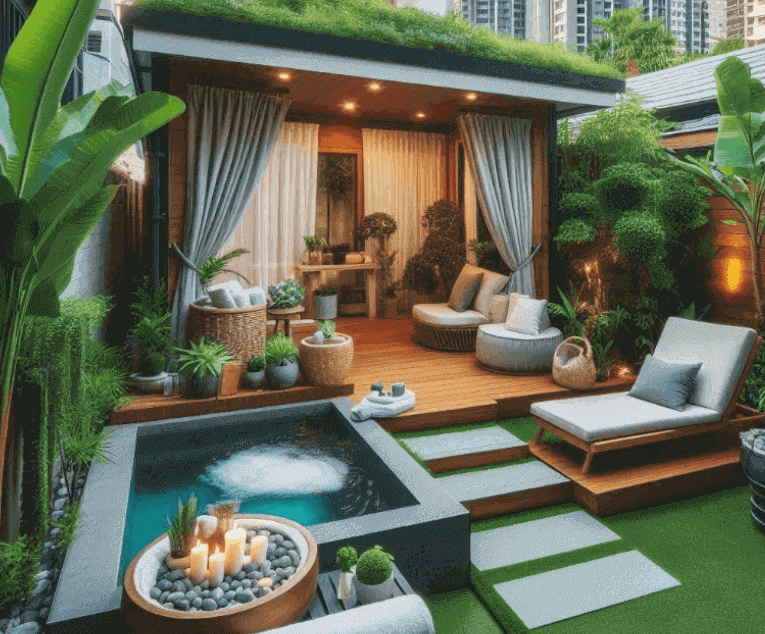
Photo Credit - Whipperberry.com
Implementation Considerations - From Concept to Execution
Programming - Identify when and why users need retreat within a given environment
Adjacency planning - Locate retreat spaces near—but not within—high-activity zones
Budget prioritization - Invest in acoustics and lighting over purely decorative elements
Post-occupancy evaluation - Assess whether spaces are being used as intended and refine accordingly
Design Lesson - A successful retreat space is validated not by appearance, but by consistent use.
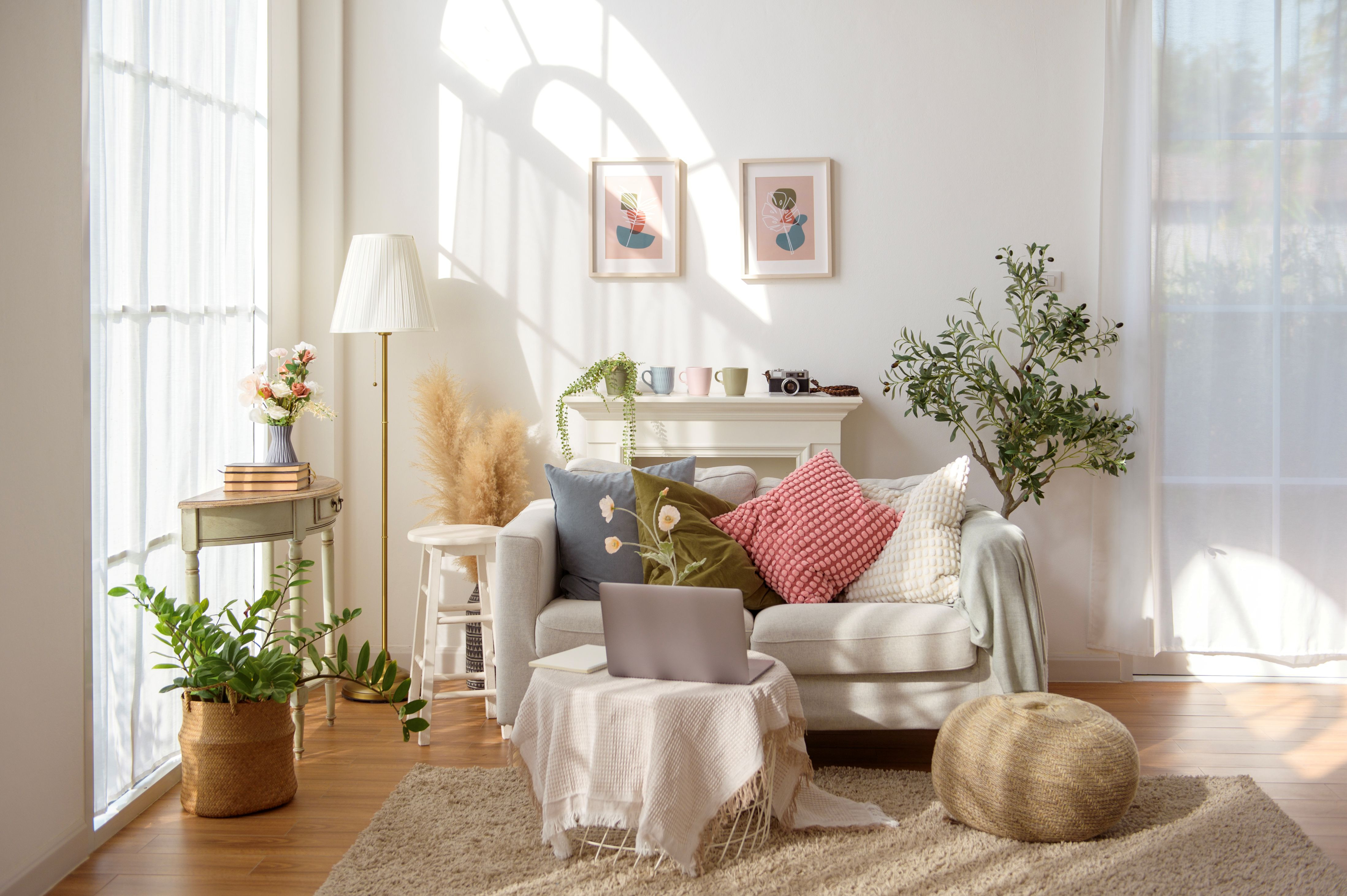
Photo credit - Tonefoto grapher - Vecteezy.com
Common Pitfalls to Avoid
Designing retreat spaces as afterthoughts or leftover areas
Overstyling with excessive materials or visual complexity
Neglecting acoustics, resulting in ineffective spaces
Failing to align design with actual user behavior
Design Lesson: Simplicity requires discipline—restraint is a design decision, not a limitation.
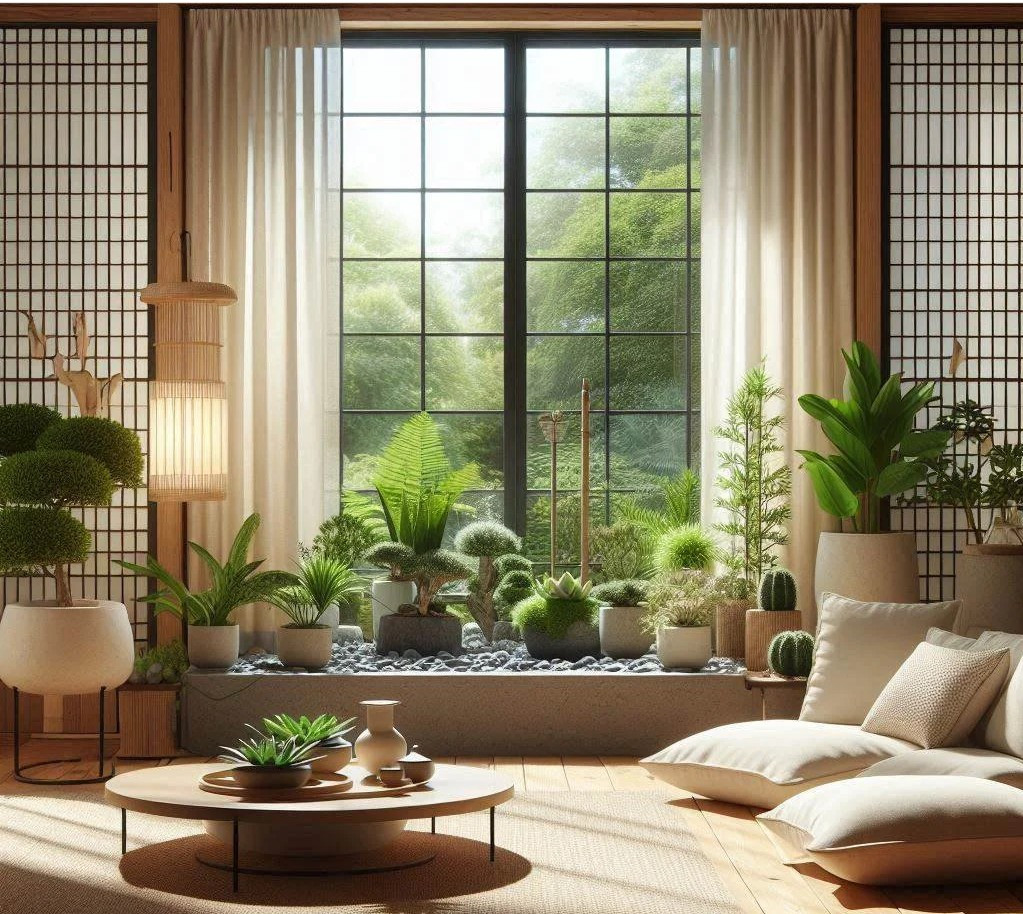
Photo Credit - Lorddecor.com
Conclusion - The Future of Retreat in Design
As the boundaries between work, home, and public life continue to blur, the need for intentional retreat will only grow. Designers are uniquely positioned to shape this evolution by embedding moments of pause into everyday environments.
Whether through a quiet corner in a residence, a wellness room in an office, a spa-like hotel lounge, or a sensory-friendly public zone, retreat spaces represent a meaningful shift from purely functional interiors to environments that actively support restoration, focus, and emotional well-being. These spaces are no longer luxuries reserved for hospitality settings - they are becoming essential components of thoughtful design across sectors, reflecting a broader cultural awareness of mental clarity, balance, and human-centered living.
Looking ahead, the most successful interiors will not simply accommodate activity, they will thoughtfully balance stimulation with stillness. By designing with retreat in mind - through layered spatial planning, calming material palettes, acoustic sensitivity, and biophilic integration - design professionals can craft environments that promote resilience, clarity, and sustained well-being in an increasingly demanding world.
Ultimately, the future of retreat in design is not defined by square footage or specialty rooms, but by intention. It is expressed in the quite decisions that shape how a space feels, how it restores, and how it supports the people who inhabit it. Designers who embrace this philosophy will not only respond to emerging needs - they will help define the next era of interiors, where beauty, wellness, and purpose converge to create spaces that truly sustain human life.