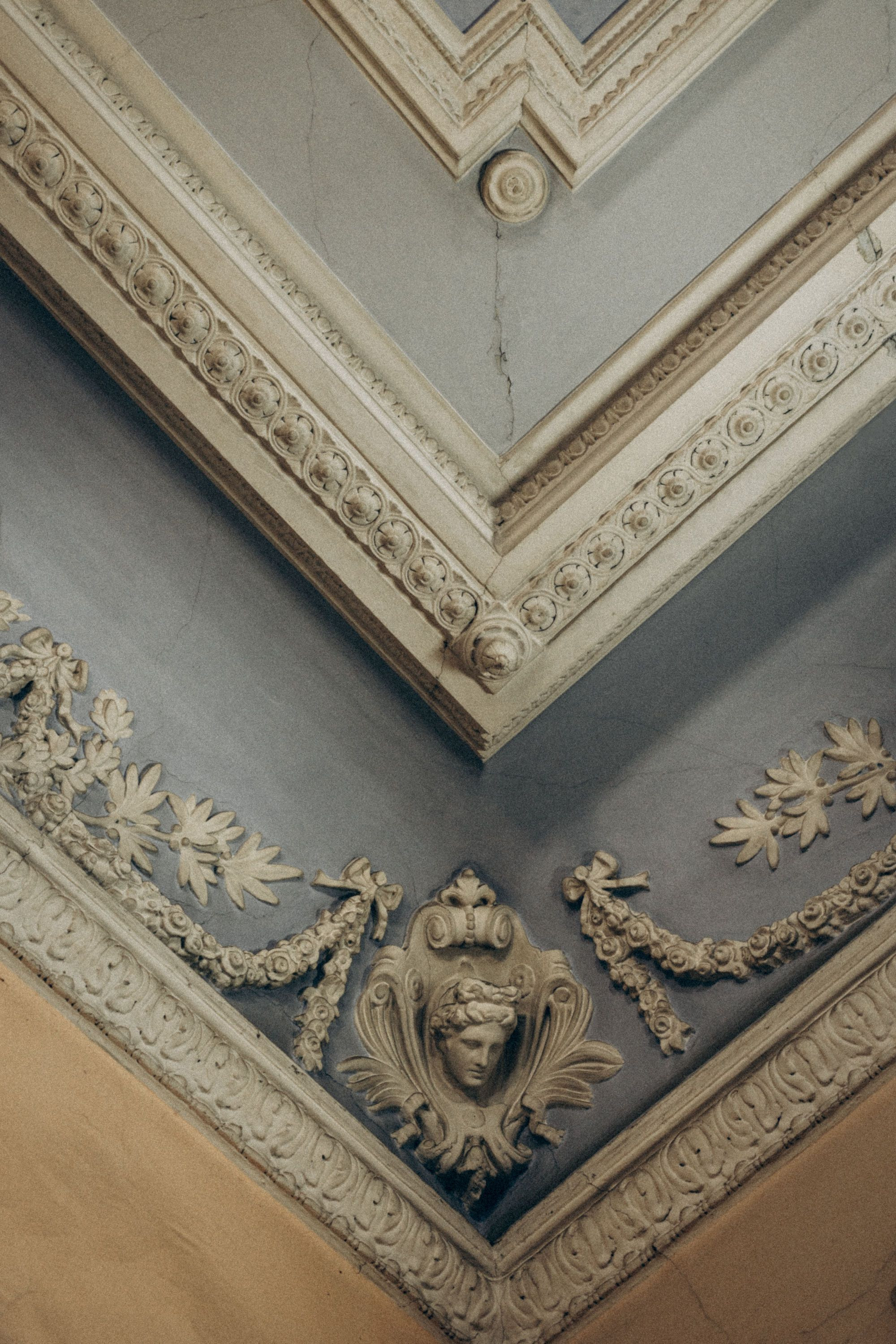
Photo Credit - Irina Novikova (Pexels.com)
Crown Molding: The Art of the Transition
From Classical Cornices to Contemporary Interiors, Exploring the Detail That Connects Walls and Ceilings
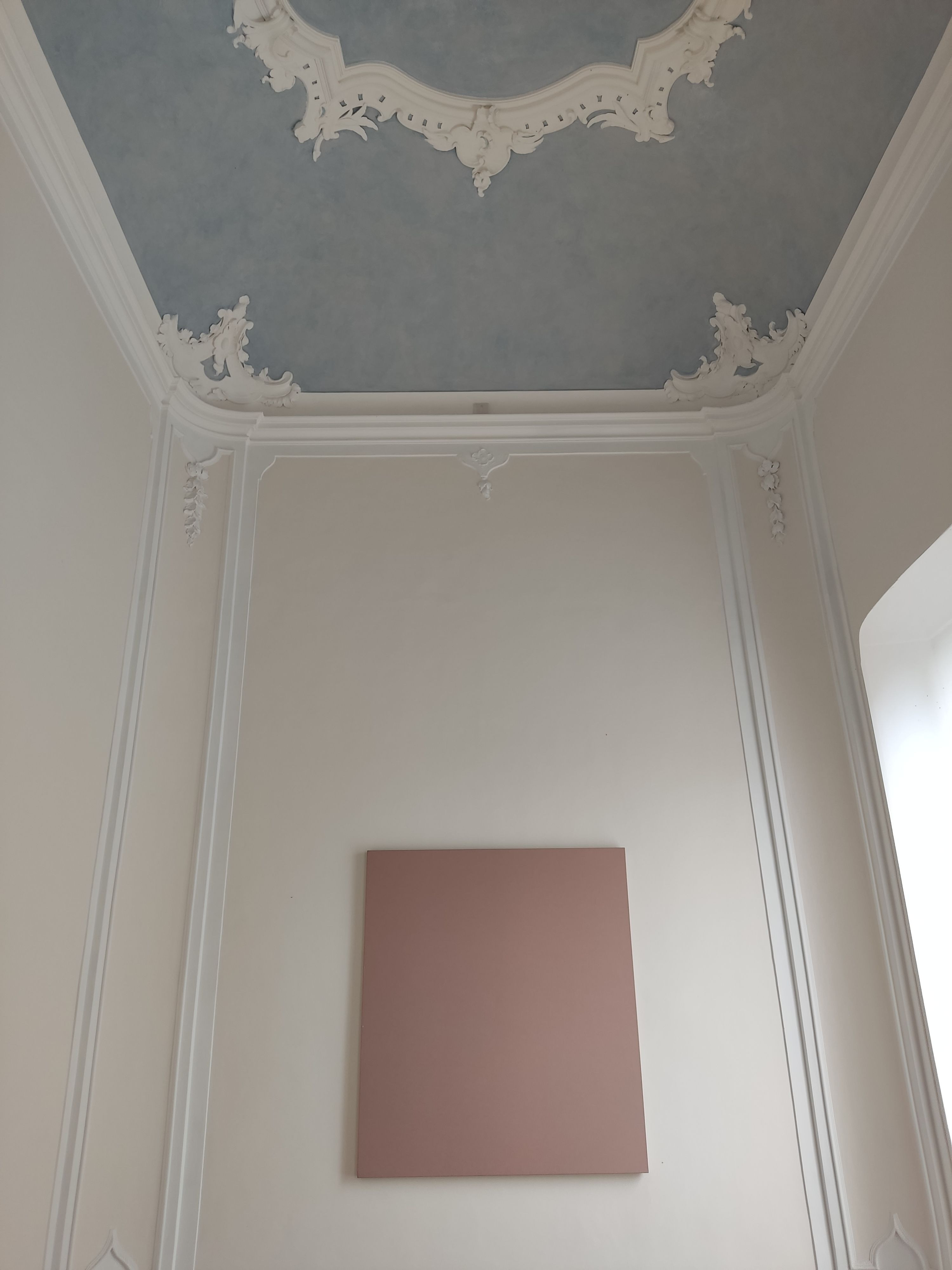
Photo Credit - Laura Dominguez (Pexels.com)
The Detail We Almost Stop Seeing
Look up.
It is a surprisingly powerful thing to ask someone to do in a room. We naturally notice what is directly in front of us: the furniture, the artwork, the windows, the lighting, the color, the beautiful objects that give a space its personality. But above our heads is another layer of design—one that can quietly influence how the entire room feels.
The meeting place between wall and ceiling is easy to overlook.
For centuries, however, architects and designers have understood that this edge matters.
Today, we might call one version of that detail crown molding. It can be elaborate or restrained, traditional or contemporary, painted in crisp white, matched to the walls, or treated as an architectural element in its own right. But the idea behind it reaches far beyond the familiar strips of trim found in today's interiors.
Crown molding is part of a much older story about architectural transitions, proportion, ornament, and the way we visually finish a room.
And perhaps that is what makes it so interesting for contemporary interior designers. Something that can seem purely decorative at first glance can actually influence scale, hierarchy, atmosphere, and architectural identity.
Design Lesson: Look Beyond the Obvious. The details we encounter every day can become invisible through familiarity. Sometimes the simplest way to discover a new design opportunity is to change our point of view—and look up.
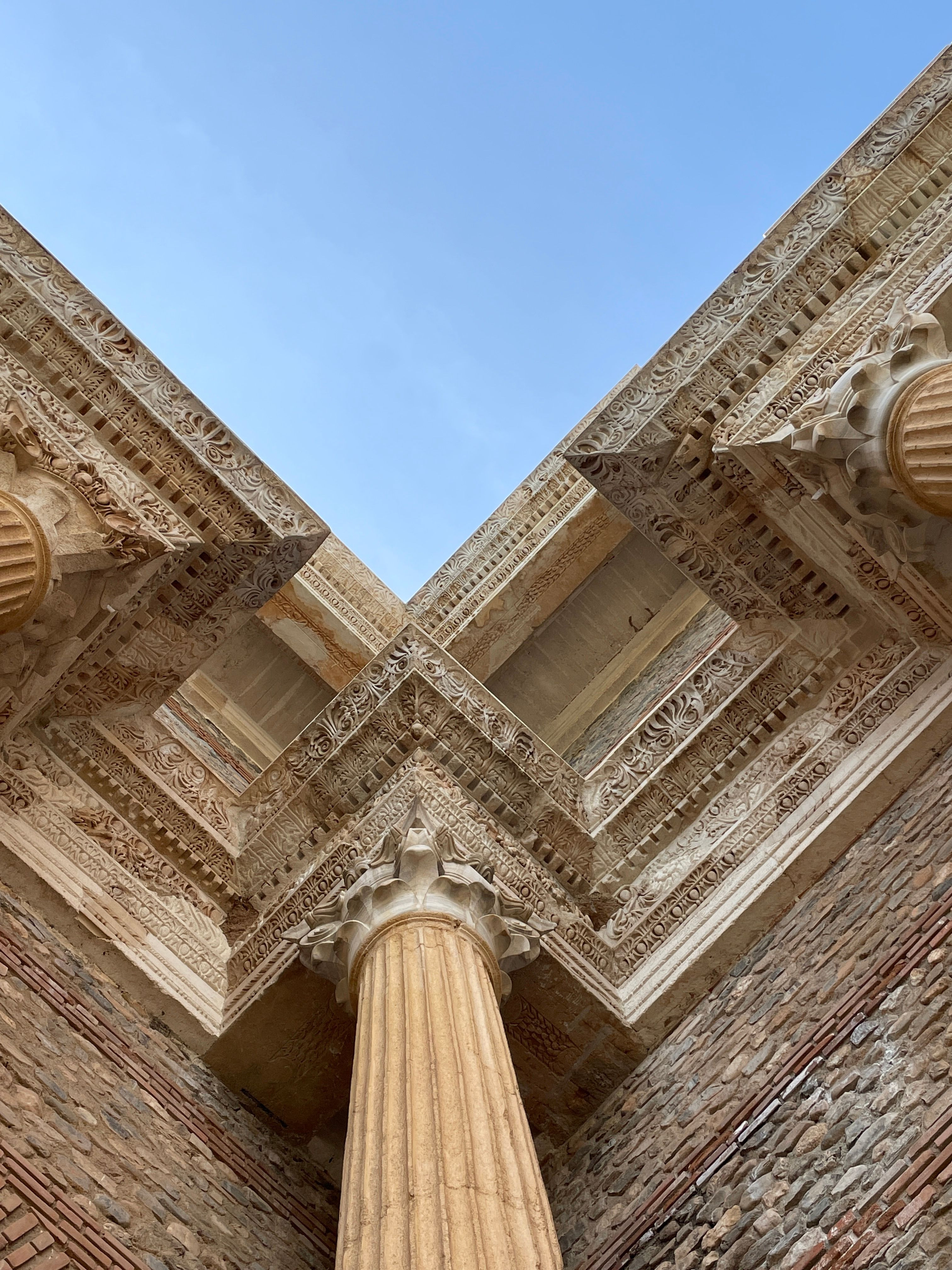
Photo Credit - Abdullah BEGTAŞ (Pexels.com)
Before Crown Molding: The Classical Cornice and Its Architectural Ancestors
The story of crown molding does not begin with crown molding.
One of its earliest architectural ancestors can be found in the classical cornice. In ancient Greek architecture, the cornice formed the uppermost portion of the entablature, projecting outward above the frieze and helping to visually complete the building's upper edge. Along with the architrave and frieze, it was part of a carefully proportioned architectural system.
It is important to make a distinction here. A classical cornice was not the same thing as the crown molding we might specify for a residence today. The cornice was part of a larger architectural composition and often served practical purposes as well as aesthetic ones.
But the fundamental design idea is familiar: define the upper edge, create a transition, establish proportion, and give the architecture a sense of completion.
The Romans adopted and expanded the classical vocabulary, bringing increasingly elaborate architectural language into both public and domestic environments. Plaster ornament, painted architectural details, and decorative profiles allowed interior spaces to borrow visual ideas from monumental architecture.
The lineage would continue for centuries as classical forms were repeatedly revived, adapted, simplified, and reinterpreted.
Design Lesson: Every Detail Has a Lineage. Understanding the history behind an architectural element gives us more freedom in using it. Crown molding is not simply a decorative strip; it is part of a much older language of proportion, hierarchy, and transition.
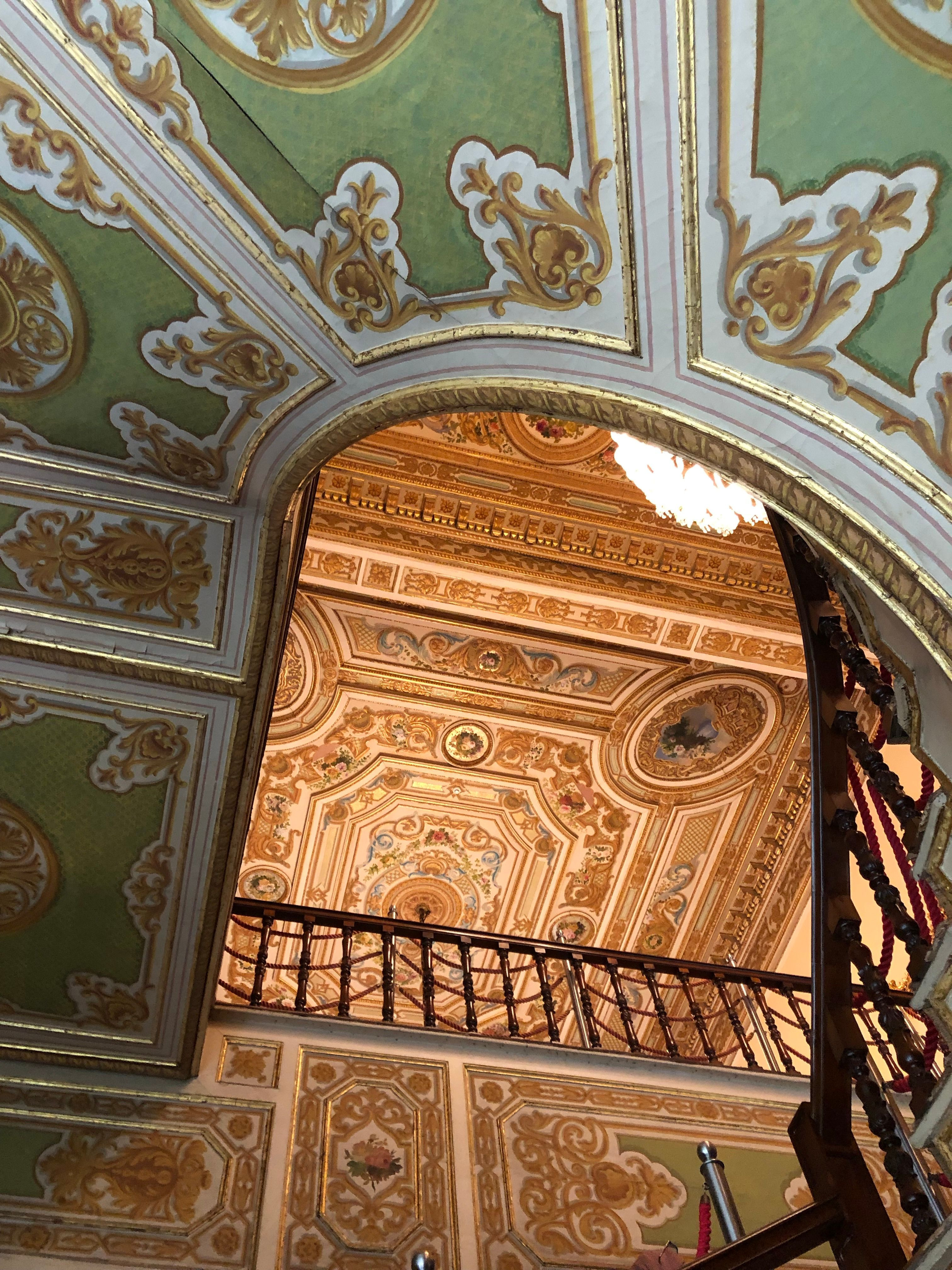
Photo Credit - Zeynep Karayel (Pexels.com)
From Monumental Architecture to Interior Ornament
As classical architectural ideas moved indoors, the boundary between architecture and decoration became increasingly fluid.
During the Renaissance, European interiors looked to antiquity for inspiration. Palaces and grand residences incorporated columns, pilasters, entablatures, carved ornament, paneling, and elaborate plasterwork. Architectural language that had once been associated primarily with monumental buildings could now be adapted to the scale of a room.
The Baroque and Rococo periods pushed this idea even further. Walls, ceilings, ornament, and architectural details could become part of one continuous composition. A ceiling was no longer simply a surface overhead. Its relationship to the walls became an opportunity for framing, movement, and visual drama.
This history offers an important reminder for today's designers: interior architecture has never been limited to the vertical walls that define a room.
The ceiling edge matters.
The transition between materials matters.
The places where one architectural element ends and another begins can influence our perception of the entire space.
Design Lesson: Interior Architecture Is More Than Four Walls. When designing a room, consider its transitions as carefully as its major elements. The way walls meet ceilings, floors, windows, doors, and built-ins can determine whether an interior feels resolved.
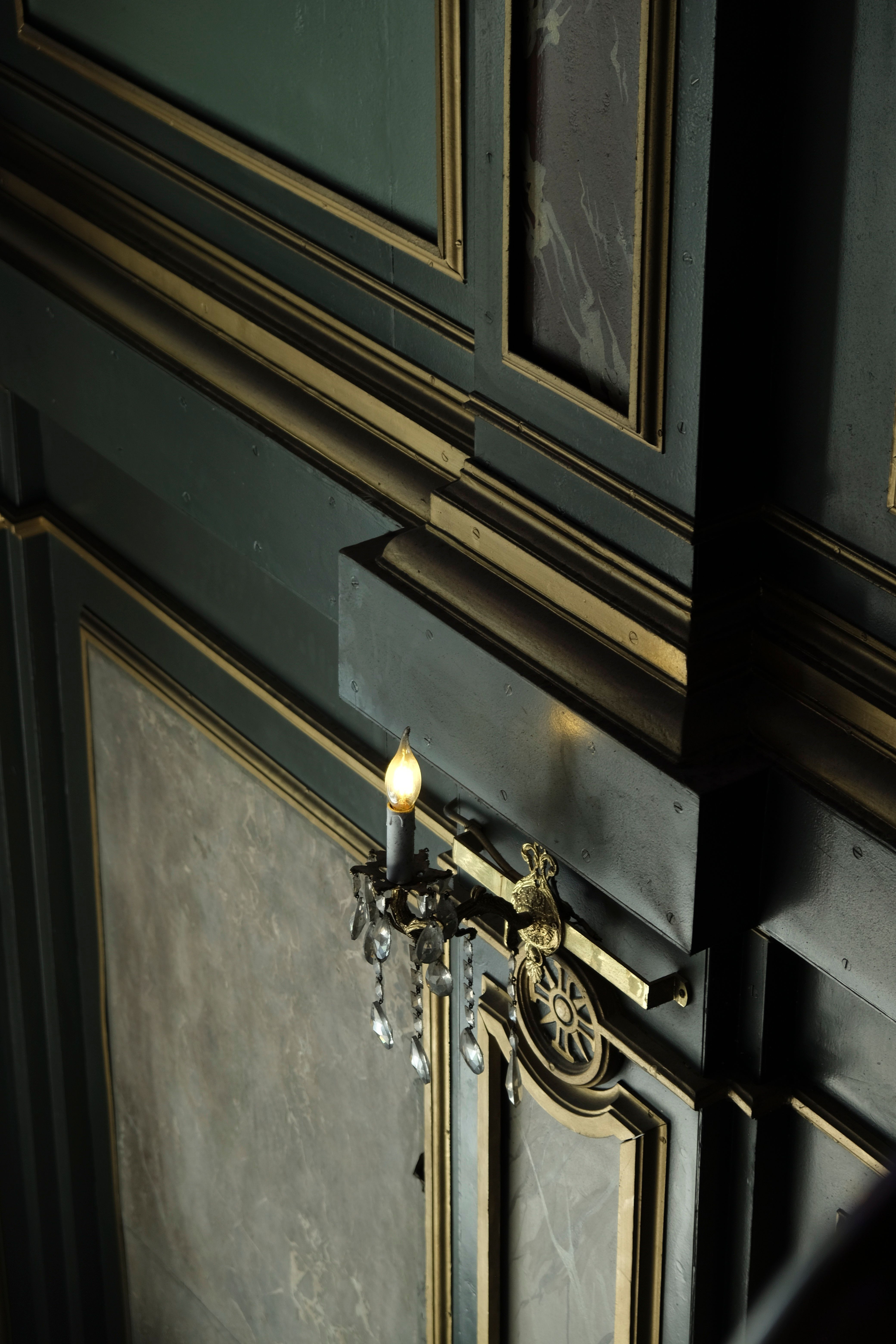
Photo Credit - Sueda Dilli (Pexels.com)
The Rise of Decorative Interiors: The Seventeenth Through Nineteenth Centuries
Over the seventeenth, eighteenth, and nineteenth centuries, decorative interior architecture became increasingly expressive—and increasingly diverse.
Baroque interiors embraced drama and movement. Rococo interiors introduced lighter, more intricate ornament. Georgian and Neoclassical interiors returned to classical order and proportion. Victorian interiors could combine historical influences with an enthusiasm for craftsmanship and decorative detail.
Through all of these stylistic changes, architectural molding remained an important tool.
It could frame a ceiling, divide a wall, surround a doorway, define a panel, emphasize a transition, or create a visual hierarchy between architectural elements.
And while these historical periods can seem worlds away from contemporary interiors, the underlying design principle remains surprisingly relevant.
Molding communicates.
A deep, elaborate profile can contribute formality and grandeur. A delicate profile can feel refined and quiet. A simple linear treatment can give a contemporary room definition without introducing obvious ornament.
The designer is not simply choosing a piece of trim. The designer is choosing what that trim says about the room.
Design Lesson: Ornament Communicates. The profile, scale, complexity, and placement of architectural trim all contribute to the story a room tells. Decorative detail should have a reason for being there.
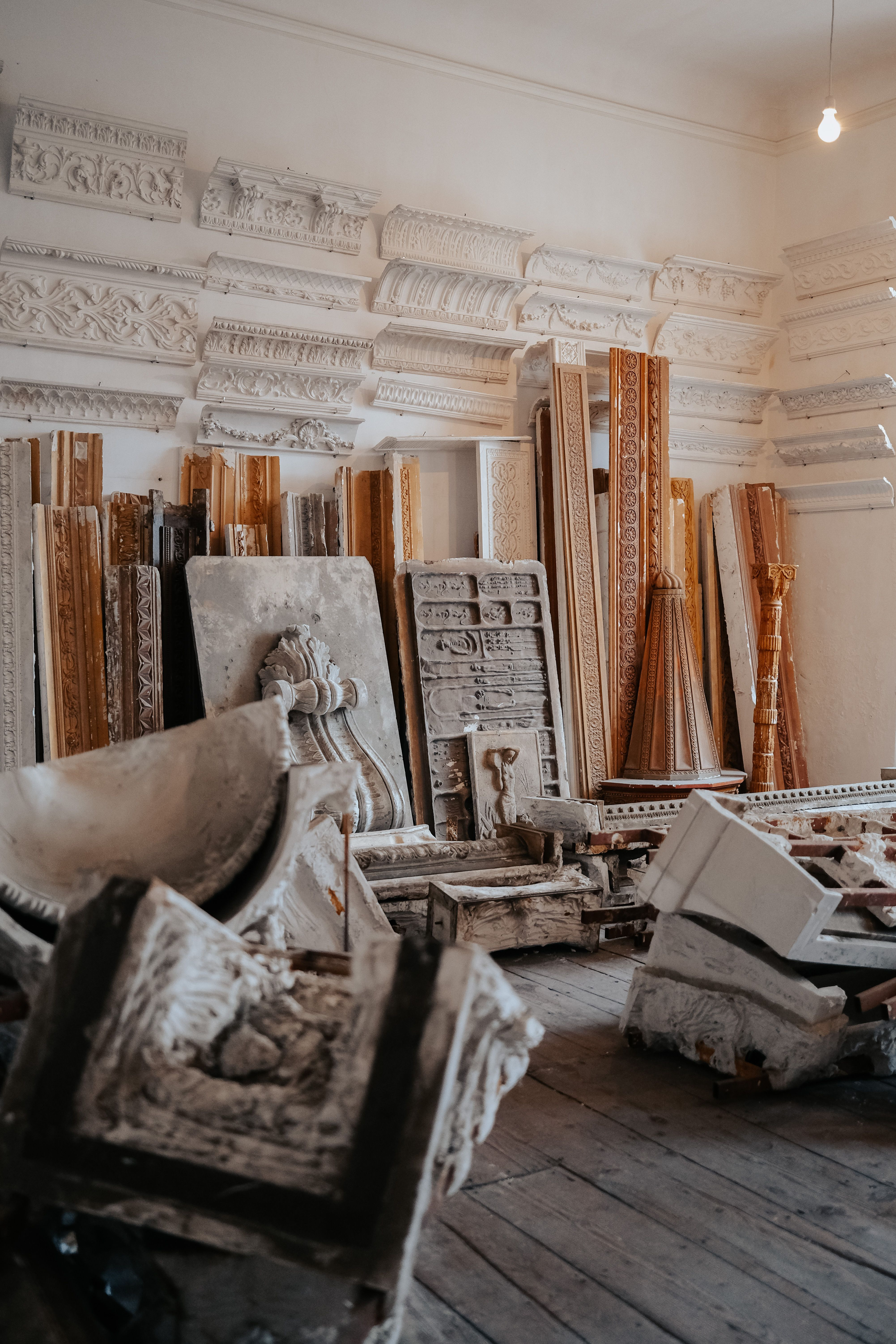
Photo Credit - Hatice Baran (Pexels.com)
When Crown Molding Became More Accessible
For much of architectural history, elaborate decorative details required skilled artisans and significant resources. Changes in manufacturing and building practices eventually made architectural trim more accessible.
Advances in woodworking, plaster production, pattern making, and later machine manufacturing allowed decorative components to be produced more consistently and in greater quantities. Pattern books and architectural publications helped distribute ideas and profiles, while changing construction practices made decorative trim increasingly practical in residential settings.
This democratization of architectural detail had an important consequence.
Elements once associated primarily with grand houses, palaces, and institutional buildings could become part of ordinary homes.
Crown molding could now help give a modest room a stronger sense of architectural identity without requiring the monumental scale of the buildings from which its visual language originated.
Design Lesson: Accessibility Expands the Design Vocabulary. When a once-specialized design element becomes widely available, the opportunity is not simply to use it more often. It is to become more intentional about when it adds value.
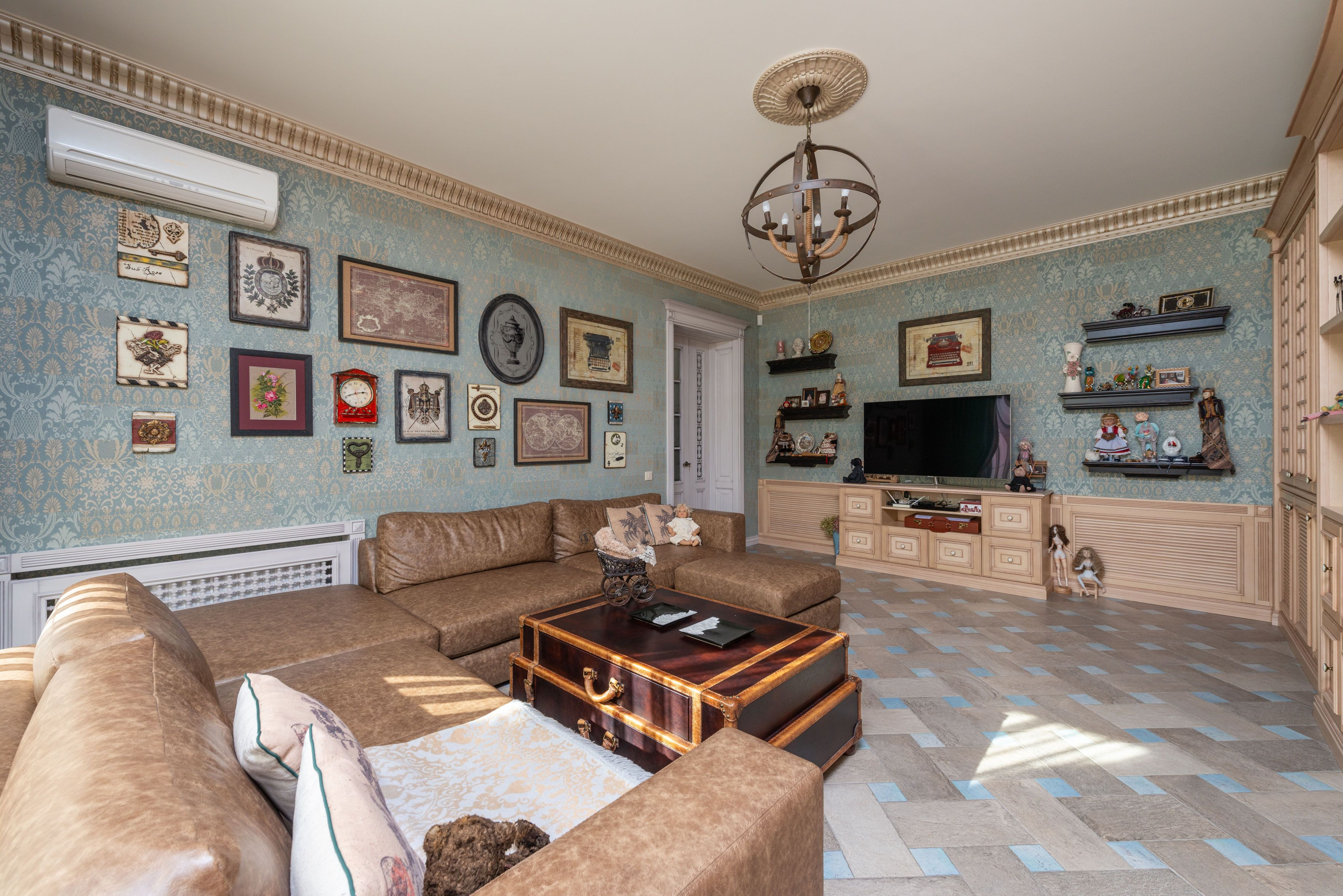
Photo Credit - Max Vakhtbovych (Pexels.com)
Crown Molding as a Tool for Proportion and Scale
Perhaps one of the most important reasons crown molding continues to matter is its ability to influence our perception of proportion.
A room with tall ceilings may comfortably support substantial molding. A smaller room may call for a quieter profile. But there is no universal formula that determines what belongs where.
The surrounding architecture matters.
So do the windows and doors. The baseboards. The cabinetry. The furniture. The ceiling height. The amount of ornament already present. Even the width of the room can influence how a molding profile is perceived.
This is why the question should not simply be, “How much crown molding can this room accommodate?”
A more useful question might be, “What does this room need at its upper edge?”
Sometimes the answer is visual weight. Sometimes it is definition. Sometimes it is continuity with existing architecture. And sometimes the answer may be no crown molding at all.
Good design is not about filling every available surface. It is about understanding what the space needs.
Design Lesson: Scale Is More Important Than Size. A large molding profile is not automatically more impressive, and a small profile is not automatically more appropriate. The right scale is the one that establishes balance within the room.
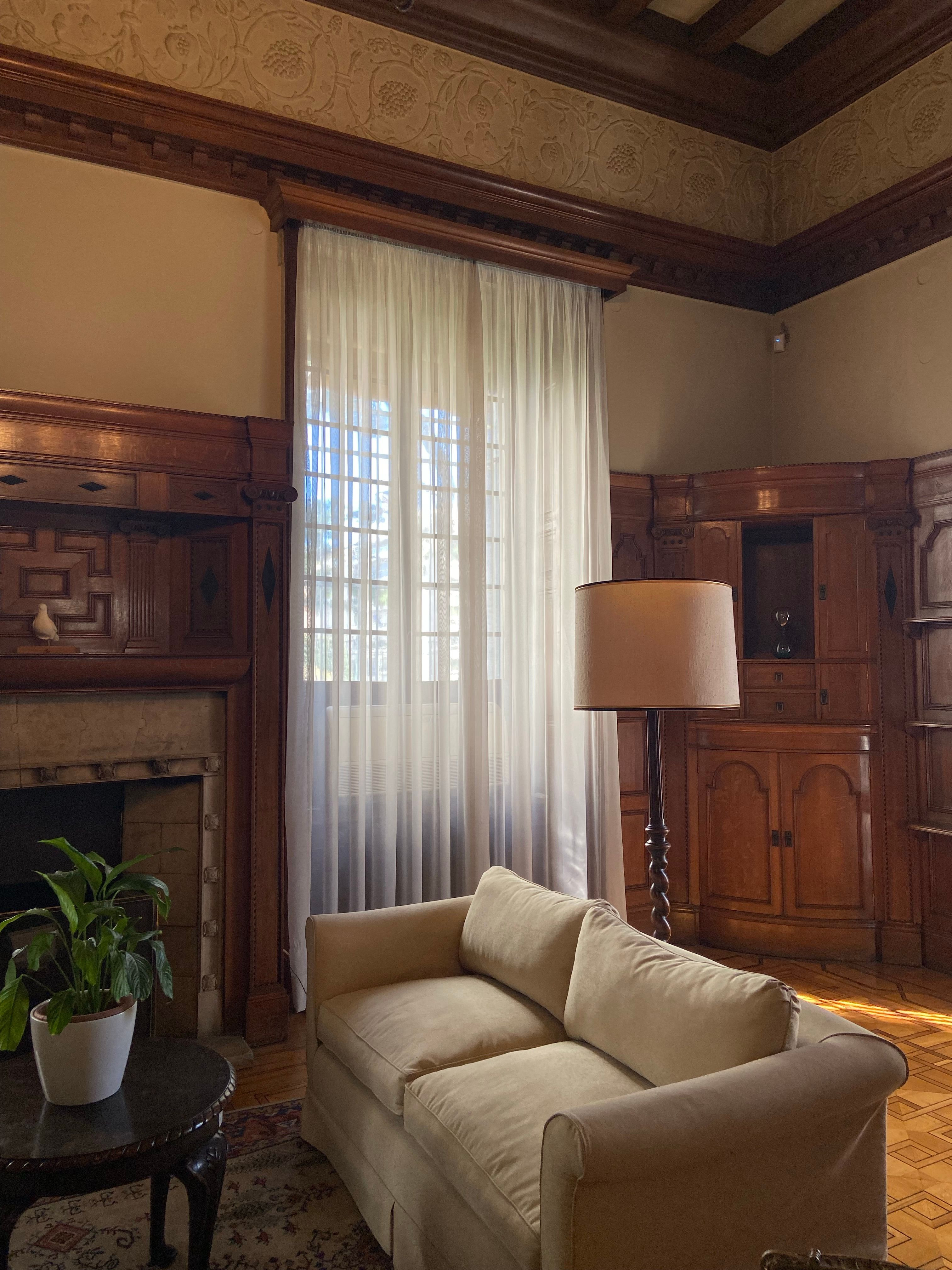
Photo Credit - Erofili Charkoftaki (Pexels.com)
Beyond White: Color, Contrast, and Continuity
For generations, white crown molding against a colored wall has been a familiar interior convention. The contrast creates a crisp boundary and makes the architectural detail immediately visible.
But white is a choice, not a rule.
Contemporary interiors have opened up an entirely different conversation about the relationship between molding and color. Paint the molding the same color as the wall, and the profile becomes quieter. Continue that color onto the ceiling, and the architectural boundary can become even less pronounced.
Conversely, a contrasting color can make the molding a deliberate graphic element.
Natural wood introduces yet another possibility, allowing grain, warmth, and craftsmanship to become part of the architectural composition.
Even a highly traditional molding profile can suddenly feel fresh when its color relationship changes.
This is particularly useful for designers working with historic details in contemporary spaces. The molding itself does not necessarily have to change. Sometimes the interpretation can change simply through color.
Design Lesson: Contrast Is a Design Decision. Before automatically painting architectural trim white, ask whether the room needs the detail to stand out or recede. Color can transform the perceived character of even the most traditional molding.
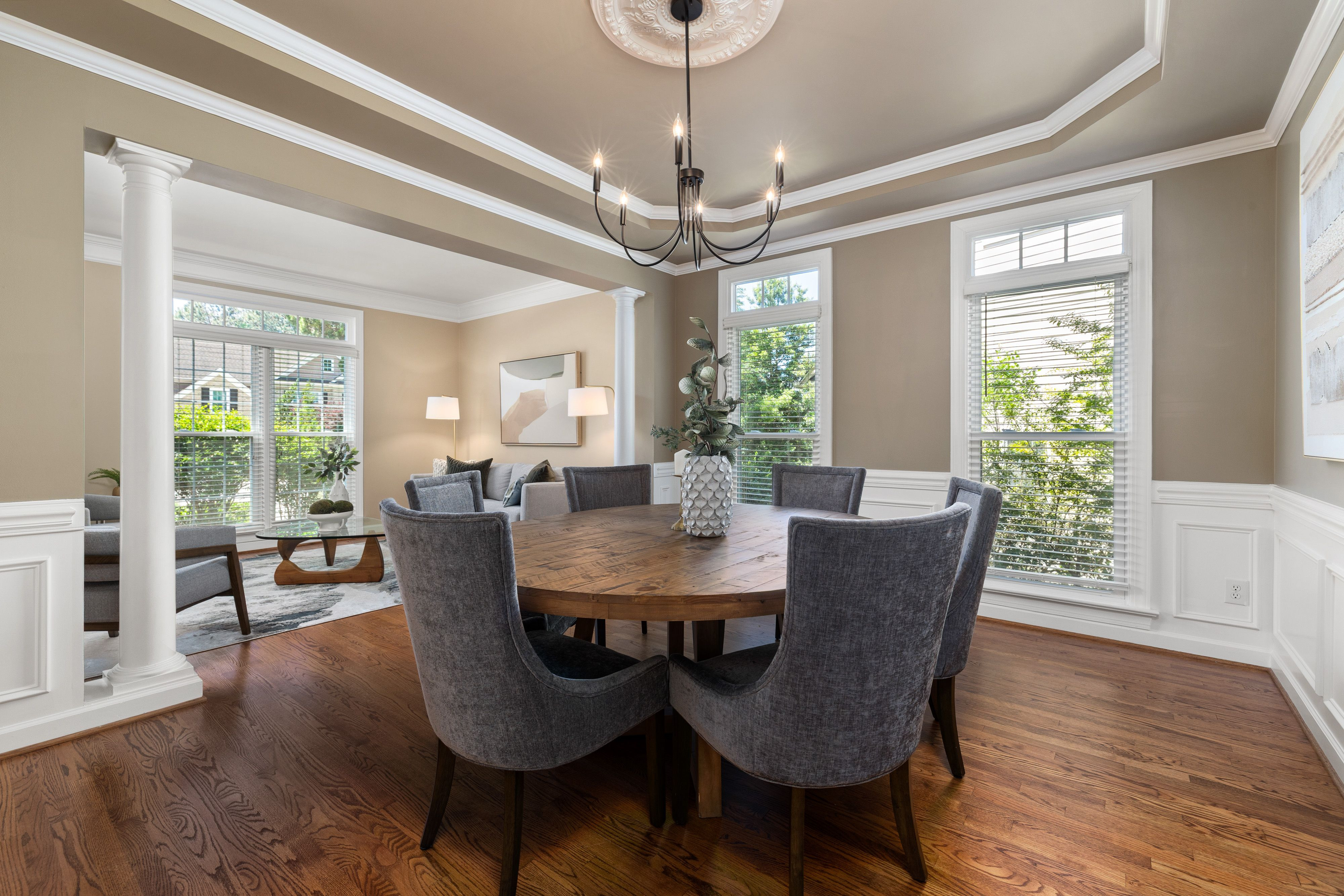
Photo Credit - Curtis Adams (Pexels.com)
Reinterpreting Crown Molding in Contemporary Interiors
There is a temptation to think of crown molding as belonging to traditional interiors and clean-lined contemporary design as belonging to another world.
But the two can coexist beautifully.
A contemporary room can use a simplified profile as a subtle reference to architectural history. A minimalist interior can use a narrow linear transition to provide definition without ornament. A transitional interior can allow traditional molding to connect historic architecture with modern furnishings.
The point is not to reproduce the past literally.
It is to understand the idea behind the detail and decide how that idea might serve the present.
The profile can become simpler. The material can change. The scale can be reduced. The color can become unexpected. The molding can become part of a lighting strategy rather than simply a decorative feature.
Once we stop thinking of crown molding as a fixed historical object and begin thinking of it as an architectural tool, its possibilities expand considerably.
Design Lesson: Tradition Can Be Reinterpreted. A historical element does not have to be copied literally to remain relevant. Understanding its original purpose allows designers to translate that purpose into a contemporary expression.
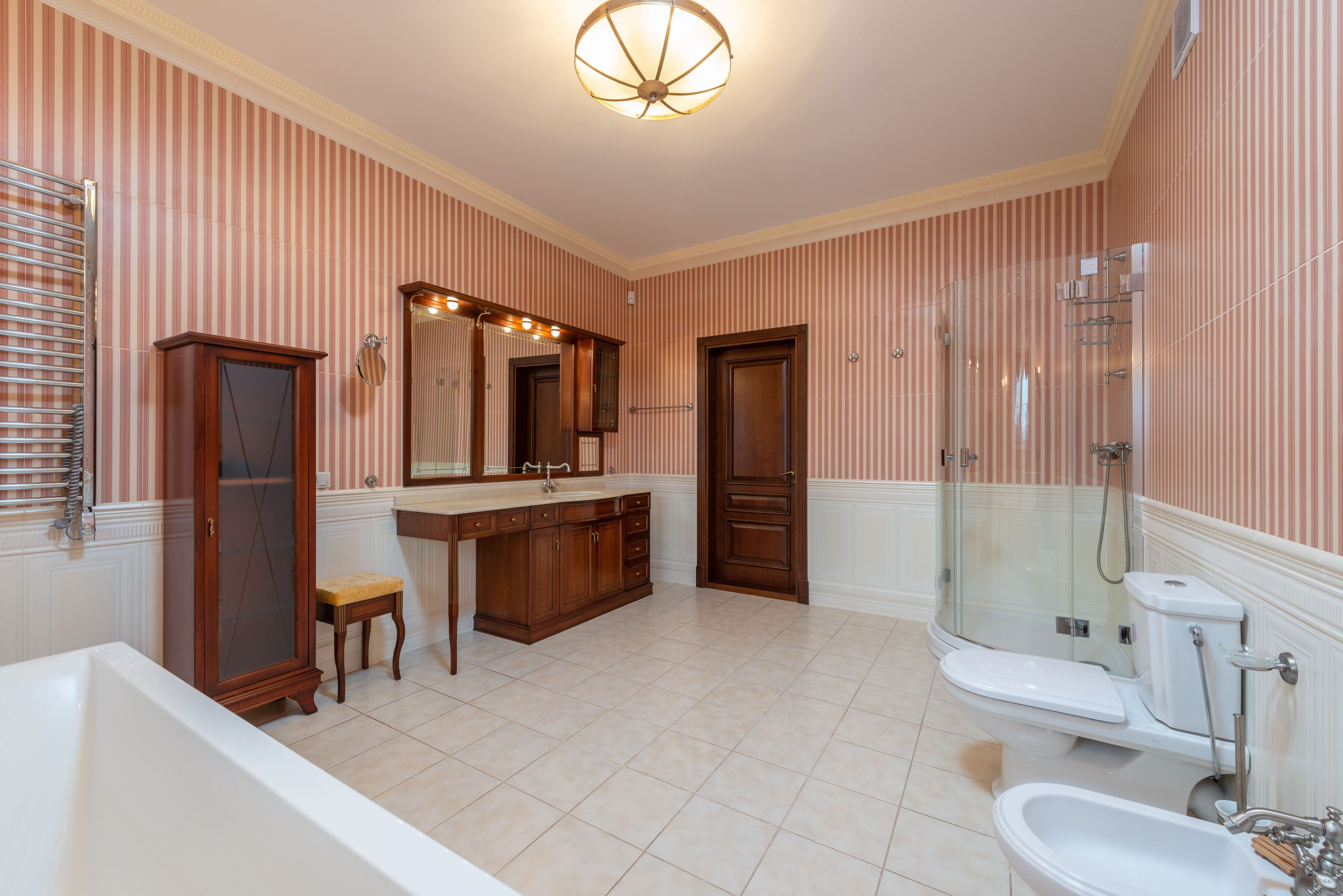
Photo Credit - Max Vakhtbovych (Pexels.com)
Crown Molding as Part of a Larger Architectural Vocabulary
Crown molding is rarely at its best when considered in isolation.
The most successful architectural interiors tend to have relationships between their details. Crown molding may echo the proportions of the door and window casings. Baseboards may relate to the casing profiles. Wainscoting may establish a lower counterpart to the upper molding. Paneling, cabinetry, fireplaces, picture molding, and ceiling treatments can all become part of the same visual vocabulary.
This does not mean that every room needs layers of millwork.
In fact, the opposite can be true.
A relatively simple room can feel beautifully resolved when a few carefully chosen details relate to one another. Conversely, a room filled with individually attractive trim profiles can feel disjointed when those elements do not share a common scale or language.
For designers, this is where specification becomes composition.
Design Lesson: Cohesion Is Created Through Relationships. Instead of selecting architectural trim as a series of independent products, consider how every profile relates to the others. A room feels intentional when its details appear to belong to the same conversation.
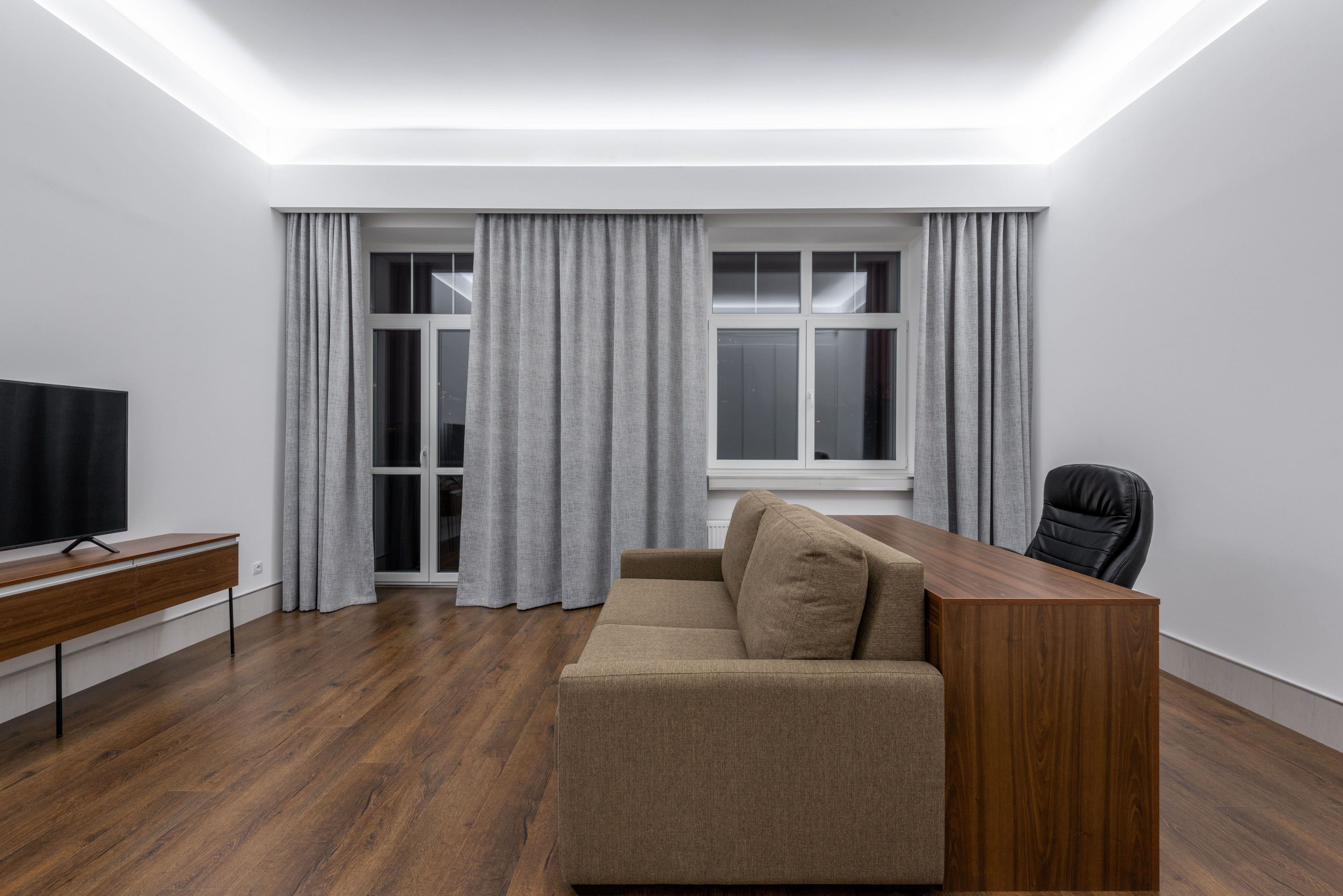
Photo Credit - Max Vakhtbovych (Pexels.com)
Crown Molding as Lighting, Concealment, and Innovation
Perhaps the most intriguing contemporary possibility is to reconsider what crown molding can do.
The upper perimeter of a room can become part of its lighting strategy. Cove lighting and concealed LED systems can use architectural transitions to create a soft wash of illumination, allowing light to become an atmospheric element rather than simply a visible fixture.
Architectural trim can also be adapted to accommodate contemporary building requirements, provided that accessibility, maintenance, and applicable building codes are properly considered.
And the material palette has expanded. Wood and plaster remain important, but today's designers can work with a range of manufactured and composite materials that can reinterpret traditional forms or create entirely new ones.
In this sense, the history of crown molding continues.
An element that once helped define an architectural edge can now also help illuminate it, conceal infrastructure, or create a contemporary visual transition.
Design Lesson: Tradition Can Be a Starting Point, Not a Limitation. The most interesting design opportunities sometimes emerge when we ask an old element to perform a new job.
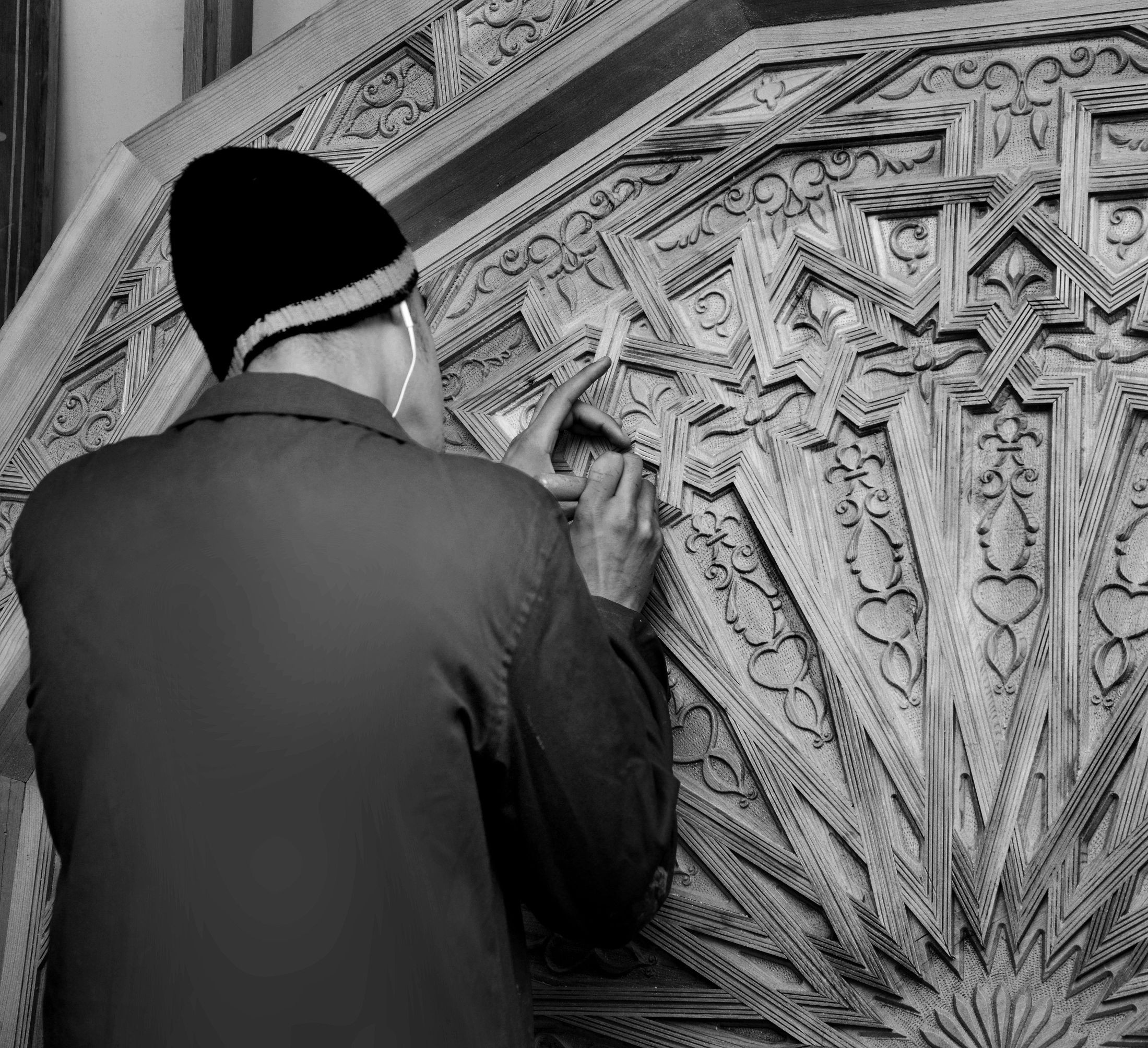
Photo Credit - Moussa Idrissi (Pexels.com)
Preservation, Restoration, and the Value of Original Detail
Historic crown molding and cornices are more than decoration. They can be records of a building's history.
Their profiles, materials, craftsmanship, and proportions can reveal the period in which a space was created and the architectural intentions of its designers and builders. When those details survive, they can provide a sense of authenticity that is difficult to reproduce.
That does not mean historic interiors must remain untouched.
Thoughtful restoration can repair damaged details, reproduce missing elements, and introduce contemporary systems while respecting the character of the existing architecture. In some cases, a new intervention may deliberately distinguish itself from the historic work rather than attempting to imitate it perfectly.
The important first step is understanding what is already there.
Before removing an old architectural detail because it appears dated, designers have an opportunity to ask a more interesting question:
What if it isn't dated? What if it is simply waiting to be seen differently?
Design Lesson: Not Everything Needs to Be Replaced. Existing architectural details can be some of the most valuable elements in a renovation. Before removing them, consider the history, craftsmanship, proportion, and character they contribute.
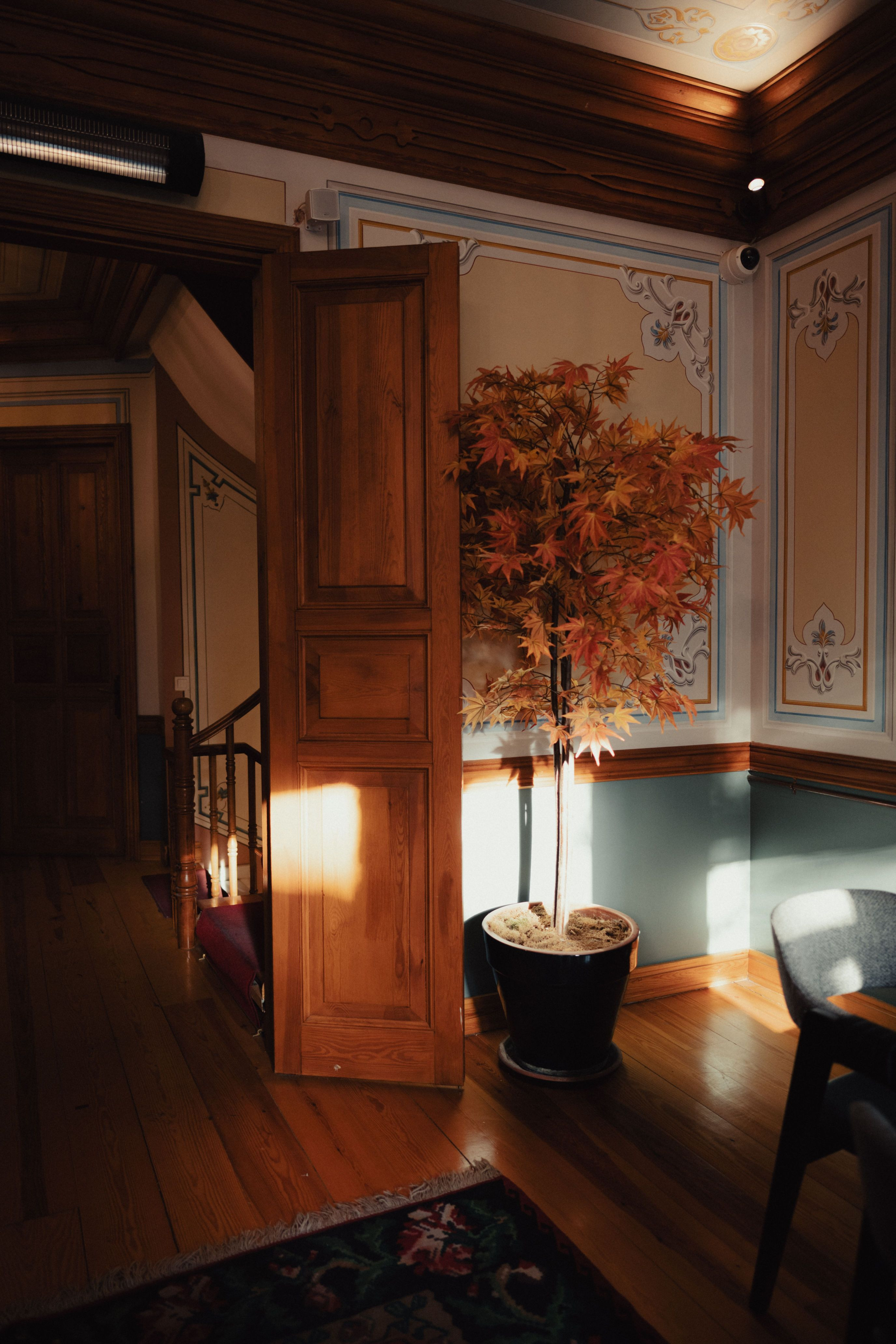
Photo Credit - Tolga Ahmetler (Pexels.com)
The Beauty of the Finishing Touch
Crown molding occupies an interesting place in interior design.
It sits between wall and ceiling. Between architecture and ornament. Between function and decoration. Between historical precedent and contemporary interpretation.
Perhaps that is why it has survived for so long.
Its story reaches from the classical cornice of ancient architecture through centuries of changing interior styles and craftsmanship. It has been elaborate and restrained, formal and informal, handmade and manufactured. And it continues to evolve.
For today's interior designer, the lesson may not be that every room needs crown molding.
It is that every transition deserves consideration.
The upper edge of a room can establish proportion. It can frame architecture. It can create continuity. It can introduce contrast. It can conceal light. It can preserve history. Or it can quietly disappear into the architecture.
The choice is ours.
So the next time you enter a room, look up.
Notice where the wall ends and the ceiling begins. Notice the shadow. Notice the proportion. Notice whether the transition announces itself or quietly disappears.
Because sometimes the details we almost stop seeing are the very details that teach us the most about design.
Design Lesson: The Edge Is an Opportunity. Wherever two surfaces, materials, spaces, or ideas meet, there is an opportunity for design. The most overlooked edges in a room may be some of its greatest opportunities.